In Bali itself, people who buy fake designer goods are almost never prosecuted; Indonesia's Trademark Law goes after the makers and the sellers. The problem starts at your home airport: Australia, Japan and South Korea all treat counterfeit bags, watches and clothing as goods that can be seized, even when they are only for your own use. Rules in this article were checked on 31 October 2026.
Is buying fakes in Bali illegal under Indonesian law?
Law No. 20 of 2016 on Trademarks targets anyone who uses another party's mark without the right to (Article 100, up to 5 years in prison or a fine of up to Rp2 billion) and anyone who trades in those goods (Article 102, up to 1 year of detention or a fine of up to Rp200 million). Buyers for personal use are not mentioned. These are also complaint-based offences (Article 103), so cases usually start with a report from the brand owner, not a sweep of tourists.
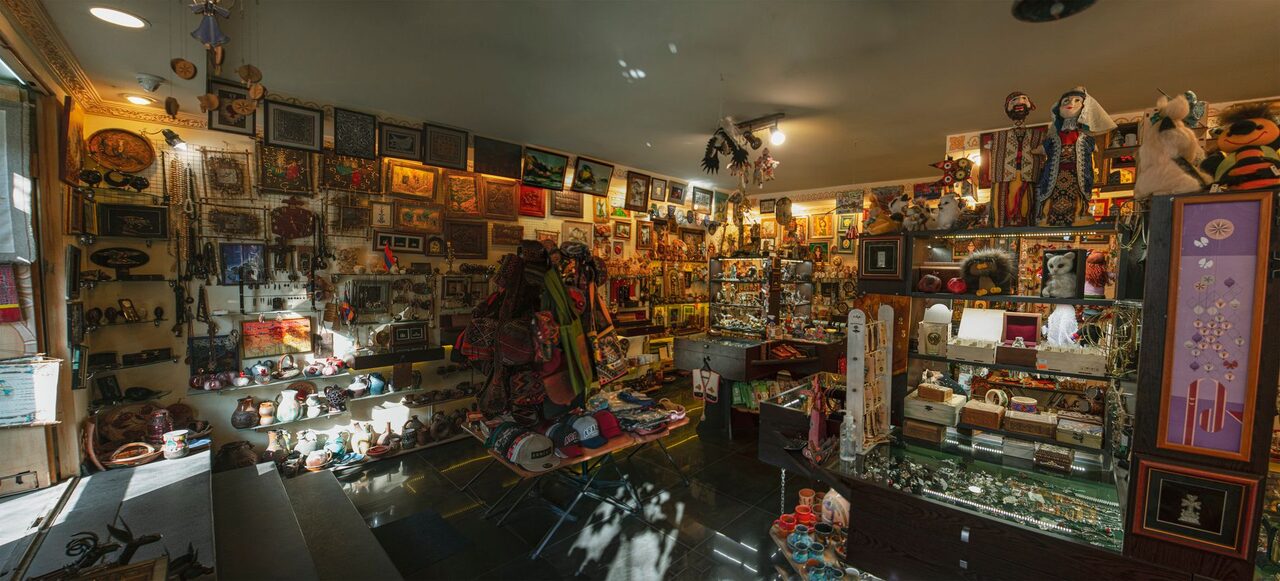
So the stalls selling copy bags and sunglasses in Kuta or Legian are not a legal trap for shoppers. Your risks are elsewhere: quality, tourist mark-ups, and customs when you fly home.
What about flying back to Australia?
The Australian Border Force (ABF) states on its website that counterfeit goods, including branded clothing, handbags, shoes, cosmetics, perfume and hair straighteners, are not allowed, as quoted by Yahoo News Australia (20 May 2023). The "three fake bags" allowance that went viral on Facebook has no legal basis, the same report says. Seizure is at the officer's discretion, and the ABF warns that prosecution and large financial penalties may apply.
A case that is often cited: in 2020 a 31-year-old Tasmanian woman was stopped with 129 counterfeit bags, purses and backpacks. A haul that size is read as stock for sale, not souvenirs.
And flying back to Japan?
Japan Customs' official site lists "articles which infringe upon intellectual property rights" among prohibited imports, next to narcotics and firearms. Since 1 October 2022, Japan's revised Trademark Law has also closed the "personal use" loophole for fakes mailed in by overseas sellers, according to the APAA intellectual property newsletter. Counterfeits in your suitcase can be held at Narita, Haneda or Kansai.
What about South Korea?
Since it revised its IP protection rules in 2007, the Korea Customs Service has given no personal-use exemption for counterfeits arriving in luggage or by post, according to Korean media reports. The goods are seized or destroyed, and serious cases can carry up to 5 years in prison. In a special operation from May to July 2026, Korean customs found more than 4.1 million trademark-infringing items, mostly in parcels (MTN, 29 July 2026).
Do fake watches, sneakers and football jerseys count too?
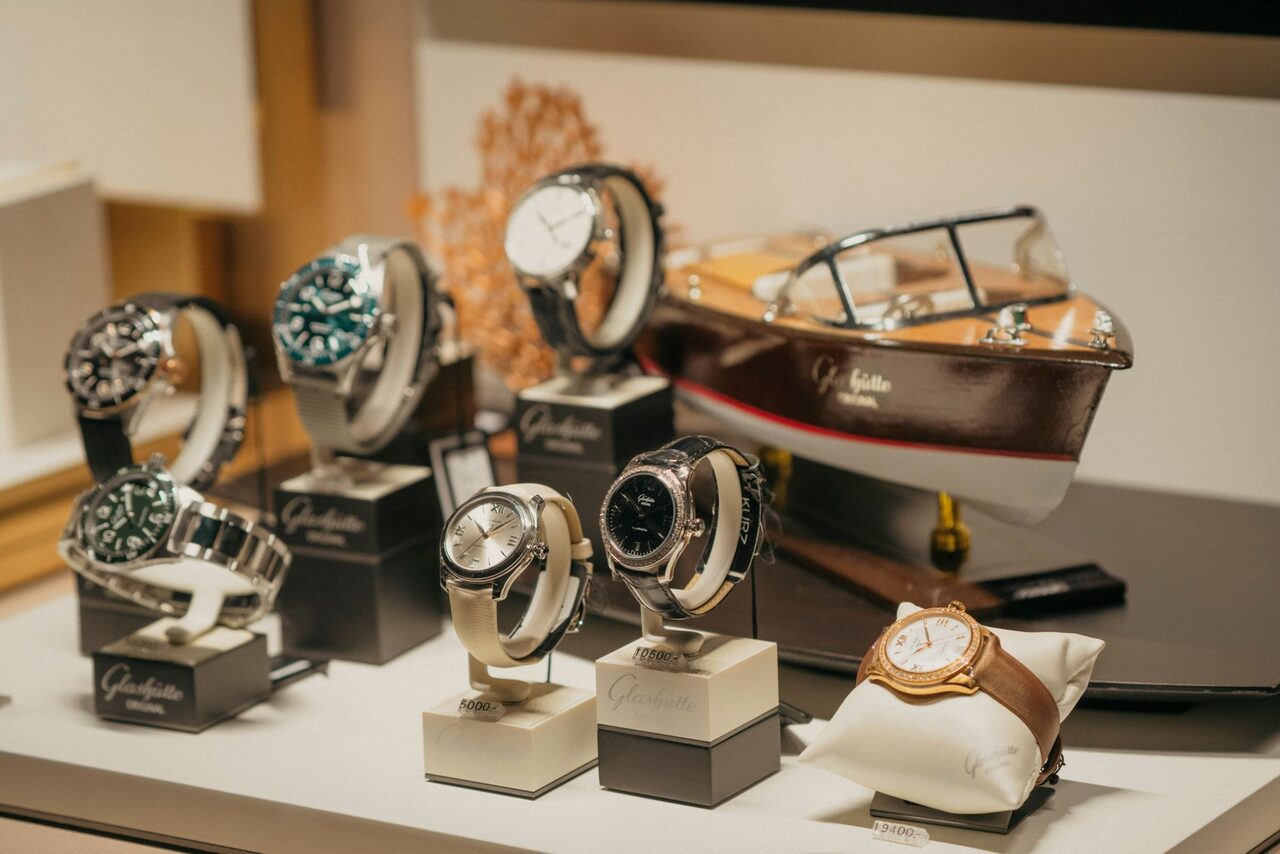
Yes. Officers look at the copied trademark, not the type of item. Club jerseys, sneakers, sunglasses and watches carrying a famous logo fall in the same category as bags. Items without a copied logo, such as a Balinese rattan bag or endek cloth, do not.
Do character toys and pirated goods count too?
Yes. Intellectual property includes copyright, so knock-off character plush toys, pirated game cartridges and bootleg DVDs sit in the same basket as fake bags. The ABF has seized more than 1,400 suspected counterfeit Pokémon toys, and the Japan Customs prohibited list does not distinguish between trademarks and copyright. Cheap character toys from the market are tempting gifts for children, but they are also the easiest for officers to spot because the logo is obvious.
One more thing people miss: fakes bought as gifts are judged the same way. Officers do not distinguish between "for me" and "for my nephew"; what they look at is the quantity and the logo.
What should you do if an officer asks?
- Answer honestly on the arrival card and when questioned. Making a false statement to customs is a separate offence in all three countries.
- One or two items usually just end in seizure. Dozens of similar items in one suitcase raise questions about intent to sell.
- Keep receipts for genuine items bought at official boutiques so they do not come under suspicion as well.
- Seized goods are generally not returned and no compensation is paid.
Which souvenirs are safer?
Local products without copied brands: Celuk silver, woven textiles, sealed Kintamani coffee, Balinese soap and massage oil. Country-specific rules on food, wood and plants are in our articles on souvenirs from Bali to Australia, souvenirs to Japan and souvenirs to South Korea. General rules for your stay are collected on the Bali rules for visitors page.
FAQ
Can Indonesian customs seize fakes when I leave Bali?
Indonesian customs can hold exports suspected of infringing a trademark, but the mechanism depends on the brand owner having recorded its mark. We found no reports of tourists having personal items seized at Ngurah Rai for being counterfeit. The main risk remains at your destination.
Is posting them home safer?
No. Japan specifically closed the postal loophole for overseas sellers in October 2022, and parcels to Australia and Korea also go through customs checks.
What if I resell the items while in Bali?
That is a different matter. Trading in counterfeits falls under Article 102 of the Trademark Law, and doing business on a visit visa can lead to deportation.



Commenti 0
Ancora nessun commento. Lascia tu il primo!