Wash the wound with soap under running water for 15 minutes, then get to a health facility the same day for a rabies vaccine (VAR). Those are the two steps that matter most if a monkey, dog, cat, or bat bites or scratches you in Bali, and the order should not change. Do not wait for symptoms: once rabies symptoms appear, the disease is almost always fatal.
How serious is rabies in Bali this year?
Serious. According to the Bali Provincial Health Office, 52,645 bites by rabies-carrying animals were recorded from January to 11 September 2026, an average of 219 a day. 39,193 victims received the vaccine and 7 people died (16 in 2025). Badung, the regency that covers Kuta, Seminyak, Canggu, and Uluwatu, had the most bites (9,961). The health office says those who died mostly never reported to a clinic after being bitten.
What should you do in the first 15 minutes?
- Wash the wound with soap or detergent under running water for a full 15 minutes. WHO and the Indonesian Ministry of Health recommend this because it kills most of the virus around the wound.
- Apply an antiseptic (povidone iodine or 70% alcohol) after washing.
- Do not stitch it, seal it tightly, or apply home remedies.
- Photograph the wound and note the time, place, and type of animal. If it was a pet, ask the owner about its vaccination status.
Do you need only the vaccine, or serum (RIG/HRIG) too?
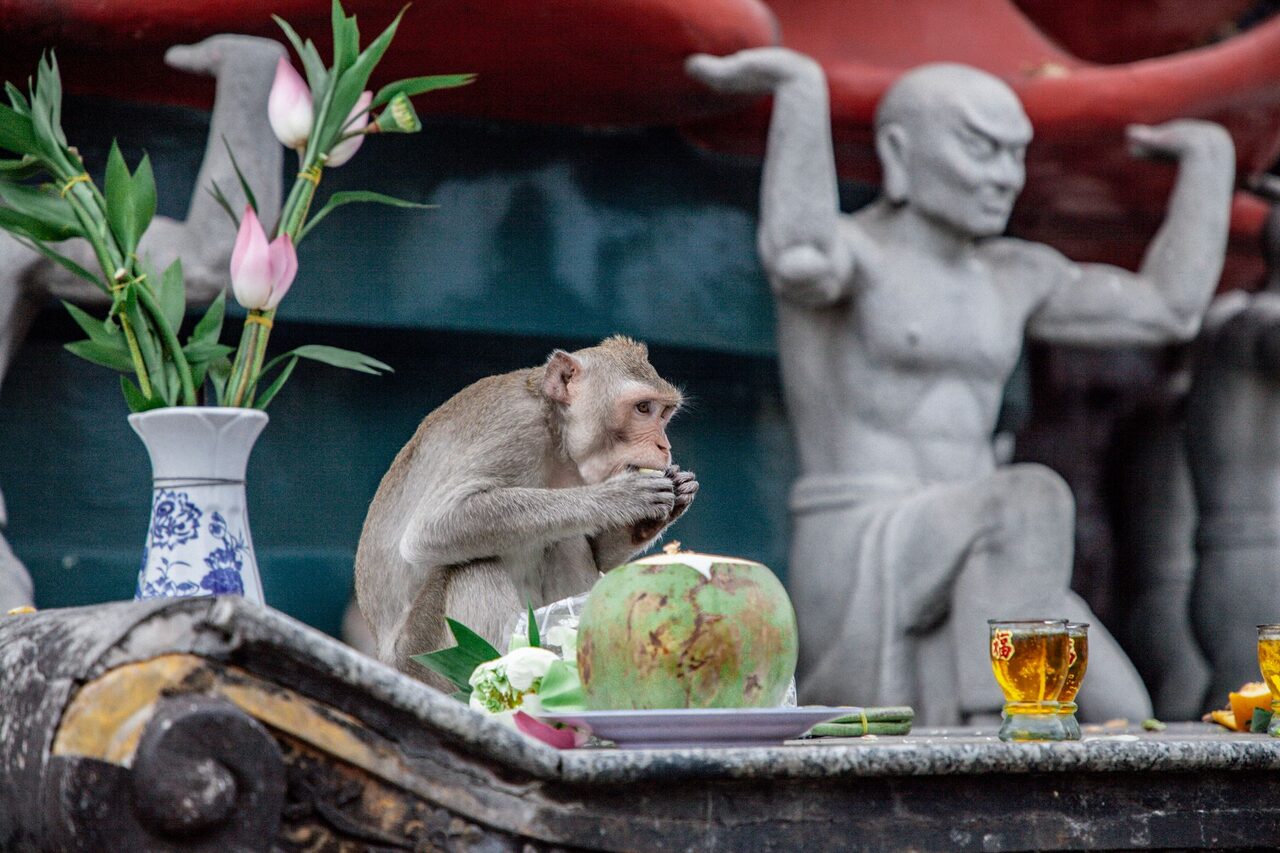
It depends on the wound category. A lick on intact skin needs no vaccine. A scratch or small bite without bleeding usually needs the vaccine only. A bite that breaks the skin, a bleeding wound, or a lick on an open wound or mucous membrane (WHO category III), and any wound on the face, neck, or fingers, needs the vaccine plus rabies immunoglobulin (Indonesian clinics call it SAR; the human version is HRIG). The serum is injected around the wound to protect you until the vaccine builds immunity. Long-tailed macaques count as rabies carriers, so a monkey bite is treated exactly like a dog bite.
Where can you get the vaccine and serum in Bali?
- Public health centres (puskesmas) and regency hospitals (Rabies Centres): government vaccine when medically indicated. Provincial stock on 11 September 2026: 40,881 vials of Rabivax/Irorab and 445 vials of Verorab.
- Government serum is scarce: on the same date there were only 35 vials of rabies serum for all of Bali (Badung 10, Gianyar 6, Buleleng 5, Tabanan 5, Bangli 3, province 6). For a category III wound, call before you travel there.
- Prof. dr. I.G.N.G. Ngoerah Hospital (formerly Sanglah), Denpasar: Bali's main referral hospital. View on Google Maps.
- Private: BIMC (Kuta, Nusa Dua) and Siloam Denpasar treat many tourists. 24-hour clinic chains such as Hydro Medical (Canggu, Seminyak, Kuta) and Sanmed Medical Canggu state on their official sites that they stock HRIG. Stock can run out, so ask by phone or the clinic's official WhatsApp before you go.
What is the vaccine schedule?
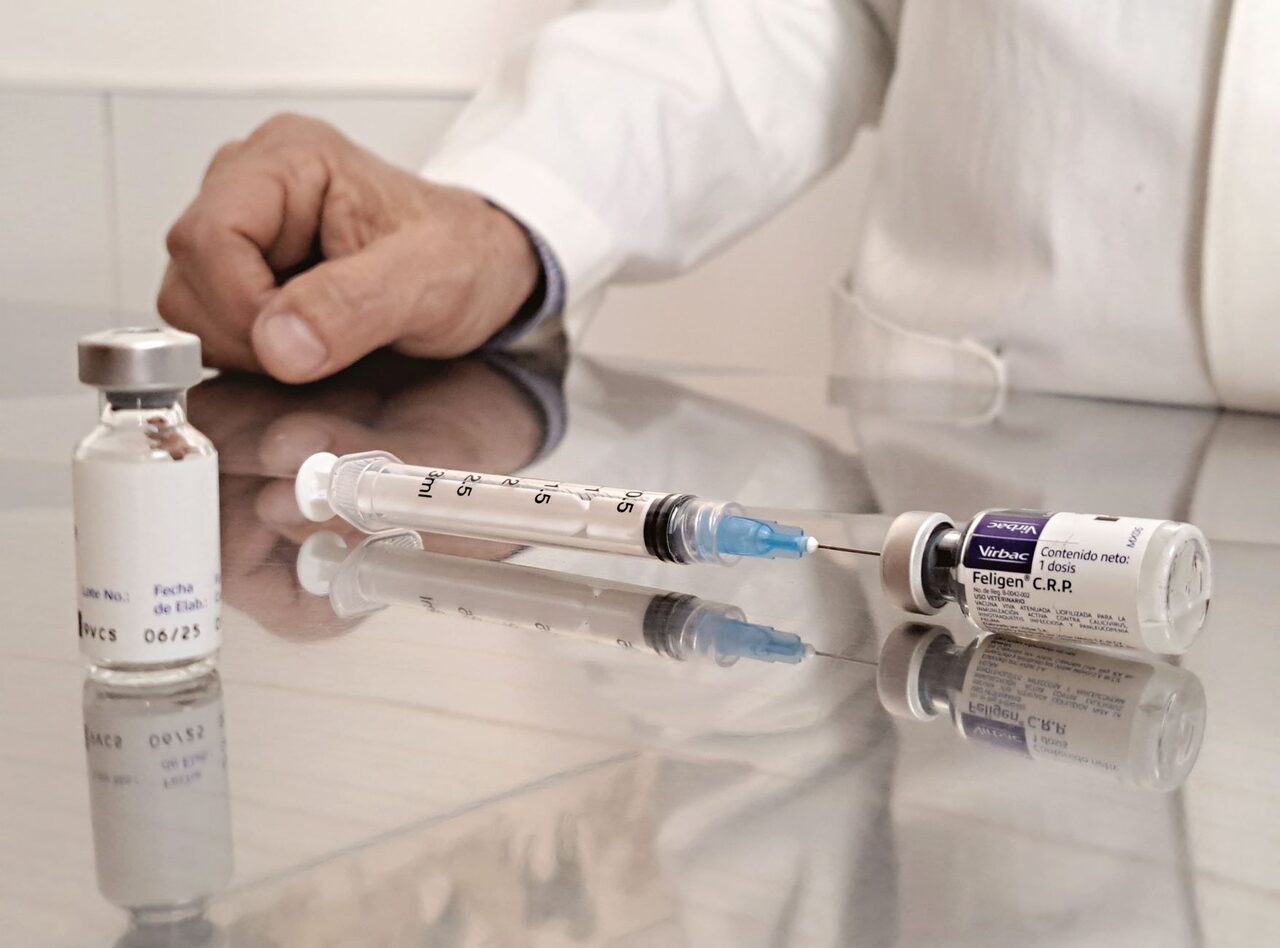
Indonesian Ministry of Health guidelines use 4 doses: 2 doses on day 0, 1 on day 7, and 1 on day 21. Many private clinics follow the WHO/CDC schedule: days 0, 3, 7, and 14. Both are valid, but do not mix them without a doctor's advice. If you had a full pre-exposure rabies course before the trip, you only need 2 boosters (days 0 and 3) and no serum. Ask for a vaccination card showing the brand, batch number, and dates, since you may receive later doses back home.
How much does it cost?
At private clinics, one vaccine dose usually costs IDR 650,000 to 1.3 million (several sources, checked September 2026), roughly USD 40 to 80. HRIG is far more expensive because the dose depends on body weight: in the 2025 case of an Australian girl bitten by a monkey at Ubud's Monkey Forest, the clinic cited about IDR 3.2 million per vial and a total bill of IDR 48.7 million for 4 vials plus procedures. At public health centres the government vaccine is much cheaper or free when indicated. Ask a private clinic for an itemised quote before treatment.
Where is the bite risk highest for visitors?
- Monkey areas: Sacred Monkey Forest Ubud, Uluwatu Temple, Sangeh, and Alas Kedaton. Keep food, sunglasses, and phones in a closed bag; do not stare at, tease, or try to take back anything a monkey grabs.
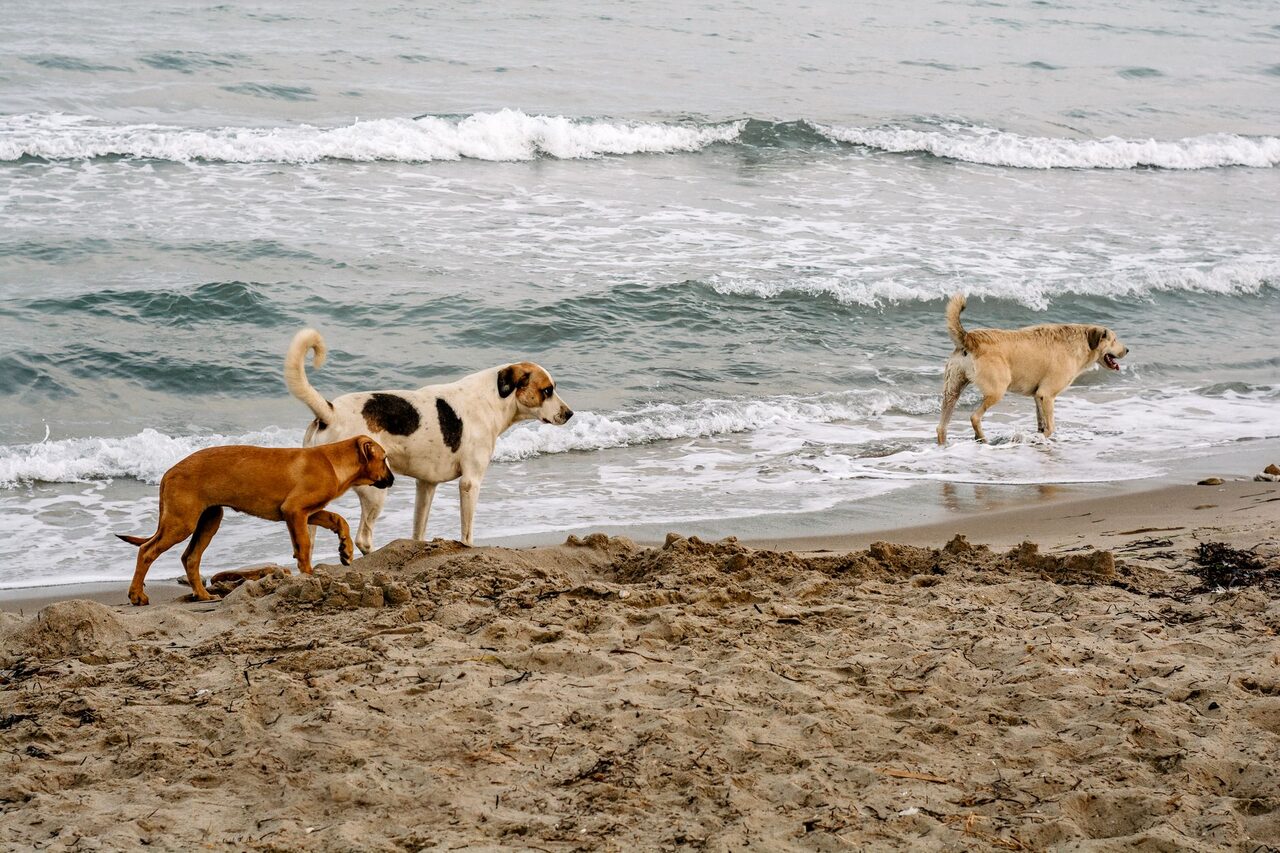
- Stray dogs: beaches and village lanes at night, rice field paths, and temple grounds. Do not pet dogs you do not know, and walk away slowly if one chases you.
- Safe ways to see wildlife are covered in our guide to ethical wildlife tourism in Bali.
Will travel insurance cover it?
Most travel policies cover emergency treatment for animal bites, but read the terms: some reject claims if you deliberately fed or touched the animal. Keep every receipt, the medical report, and the vaccination card. Call your insurer's emergency line before paying for HRIG, since some providers can guarantee payment directly to the hospital. Emergency numbers and other hospitals are listed in our Bali health and emergency guide.
Should you get vaccinated before the trip?
The CDC recommends pre-exposure vaccination for travellers on long stays, people working with animals, those cycling or trekking in remote areas, and children who tend to approach animals. It does not replace treatment after a bite, but it means you will not need serum and only 2 booster doses. See a travel clinic 3 to 4 weeks before you fly.
Case figures were checked against the Bali Provincial Health Office data as of 11 September 2026; serum stock changes weekly, so always phone ahead before heading to any facility.


Mga Komento 0
Wala pang komento. Maging una sa pagkomento!