Bali is home to sea turtles, manta rays, dolphins, long-tailed macaques and the near-extinct Bali starling — and the rules are changing. Since early 2026, elephant riding at conservation institutions has been halted nationwide, while bites from rabies-carrying animals remain common. Here is what to choose, what to skip, and the latest facts (checked September 2026).
Ethical Checklist & the Rules in Force
- No riding, no shows. Choose observation, education or care programmes.
- No holding, no selfies. Monkeys, turtles, birds or civets used as photo props mean animals are being treated as entertainment tools.
- No feeding wild animals — it triggers aggression and dependency.
- Kopi luwak: avoid coffee from caged civets; ask where the beans come from.
- Hatchling releases: join only those coordinated by a conservation group; hatchlings should crawl to the sea on their own, without handling or flash.
- The law: the conservation law UU 5/1990 was amended by UU 32/2024 (7 August 2024), raising maximum prison terms to 20 years and adding minimum penalties.
- Turtle products are illegal: trading turtles alive, dead or in parts — meat, eggs, tortoiseshell souvenirs — is banned. Don’t buy them.
Sea Turtles: Choose Conservation Centres, Not Photo Pools
- Turtle Conservation and Education Center (TCEC) Serangan — Serangan Island, Denpasar. Cares for green, hawksbill and olive ridley turtles, including victims of plastic and fishing nets. Runs on voluntary donations; large groups pay an entry ticket. Google Maps
- Bali Sea Turtle Society — Kuta Beach. Hatchling releases with Kuta Beach Sea Turtle Conservation continued in 2026 (for example 23 May and 10 July), but with no fixed schedule — follow its official channels. @baliseaturtlesociety · Google Maps
- Be cautious at the Tanjung Benoa breeding pens (“Turtle Island”). 2026 package promotions still offer “photos with turtles”. If adult turtles are kept in cramped pools, lifted for photos, or hatchlings are released only when paid for, skip it.
Wild Marine Life: Mantas, Dolphins, Menjangan
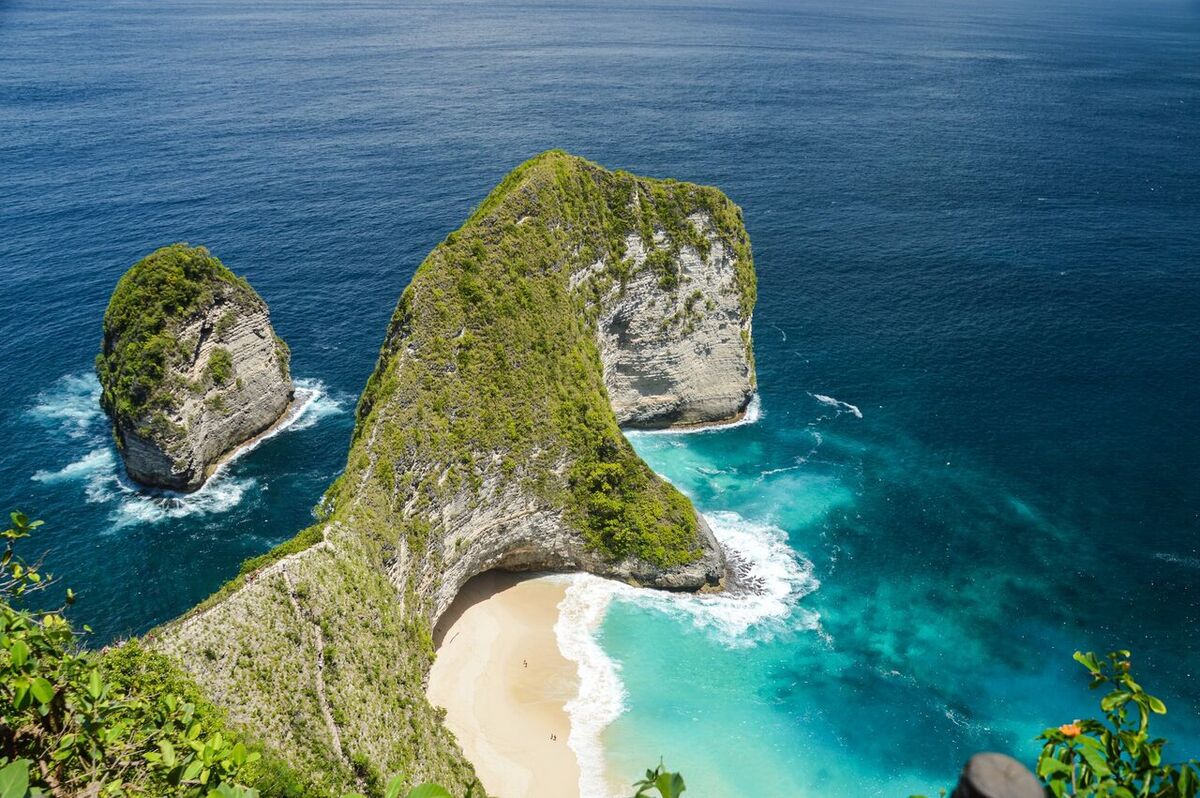
- Manta Point & Manta Bay, Nusa Penida — the encounter code of conduct is still voluntary, even though a Marine Megafauna Foundation study (2019) found boat traffic at manta sites up 60% since 2012. Keep about 3 metres away, never touch or chase, and avoid flash. Google Maps
- Lovina dolphins — the main problem is boat crowding at dawn. A 2023 draft regulation by the Buleleng Tourism Office asks boats to cut engines within 25 metres and not cut through a pod’s path; ask your skipper to comply. Google Maps
- Menjangan Island — part of West Bali National Park, 30–45 minutes by boat from Labuan Lalang. Never stand on coral. Google Maps
Monkeys: Monkey Forest Ubud, Uluwatu & Rabies
- Sacred Monkey Forest Sanctuary — Ubud. Open 09:00–18:00 (last entry 17:00); foreign adult tickets about IDR 130k since April 2026. Official rules: no food, drinks or plastic bags (lockers available), don’t touch the monkeys, avoid eye contact. Google Maps
- Pura Luhur Uluwatu — its macaques are famous for snatching glasses or phones to “trade” for food. Keep belongings in a closed bag and don’t join the barter. Google Maps
- If scratched or bitten: wash the wound with soap under running water for about 15 minutes, then go straight to a health facility for anti-rabies vaccine (VAR). Bali’s Health Office recorded 66,760 bites from rabies-risk animals and 16 deaths in 2025.
Birds & Elephants: Conservation vs Attractions
- Friends of the National Parks Foundation (FNPF) — turned the Nusa Penida islands into a bird sanctuary with customary villages; Bali starlings there grew from fewer than 10 to more than 100 birds, and community releases were still taking place in December 2025. Google Maps
- West Bali National Park — the Bali starling’s natural habitat: just 6 birds in the wild in 2001, about 552 by November 2023. Google Maps
- Bali Bird Park — Singapadu, Gianyar; still operating in 2026. Enjoy the walk-through aviaries and skip photo sessions holding birds. Google Maps
- Elephants — the new rule: Circular Letter No. 6 of 2025 from the Director General of KSDAE (18 December 2025) ends elephant-riding performances at all conservation institutions. According to BKSDA Bali, five of Bali’s 13 conservation institutions keep a combined 83 elephants.
- Bali Zoo — Singapadu; elephant rides stopped on 1 January 2026. Google Maps
- Mason Elephant Park — Taro; elephant rides halted from 25 January 2026 after a second warning letter (21 January 2026). Google Maps
- Bali Safari & Marine Park — Gianyar. Choose the safari tram and educational zones; skip programmes that turn animals into a show or photo prop. Google Maps
Choose the Right Base
- Sanur — close to TCEC Serangan and fast boats to Nusa Penida.
- Ubud — Monkey Forest is in the town centre; Taro, Bali Zoo and Bali Bird Park are within half-day reach.
- Lovina — just wake at dawn for the dolphins, and use it as a stepping stone to Menjangan.
Ethical wildlife travel starts with small choices: distance, patience and the right operator. Compare prices and book hotel vouchers in Sanur, Ubud or Lovina through AccessiaPass, then plan your wildlife route without rushing.






Comments 0
No comments yet. Be the first to comment!