Bali's 2026/2027 rainy season is forecast to arrive late: 15% of the island from late November 2026, 85% in December 2026, with peak rainfall across most of Bali in February 2027. These figures come from the Bali Province Rainy Season Forecast 2026-2027 infographic posted by the Bali Climatology Station (BMKG) on 28 September 2026, checked 19 October 2026.
Why is it late?
RRI Denpasar (7 October 2026), quoting BMKG's Region III office in Denpasar, attributes the delay to a very strong El Niño occurring together with a positive Indian Ocean Dipole (IOD). This rainy season is also expected to be shorter than usual.
Which areas get rain first?
BMKG divides Bali into 20 Seasonal Zones (ZOM). Onset is given by dasarian, a 10-day period. According to the infographic map:
- Late November (21-30 Nov): the zones in the centre of the island, around where Buleleng, Tabanan, Bangli, and Gianyar meet (ZOM 421, 422, 423).
- Early December (1-10 Dec): parts of Bangli and eastern Buleleng up to the Karangasem border.
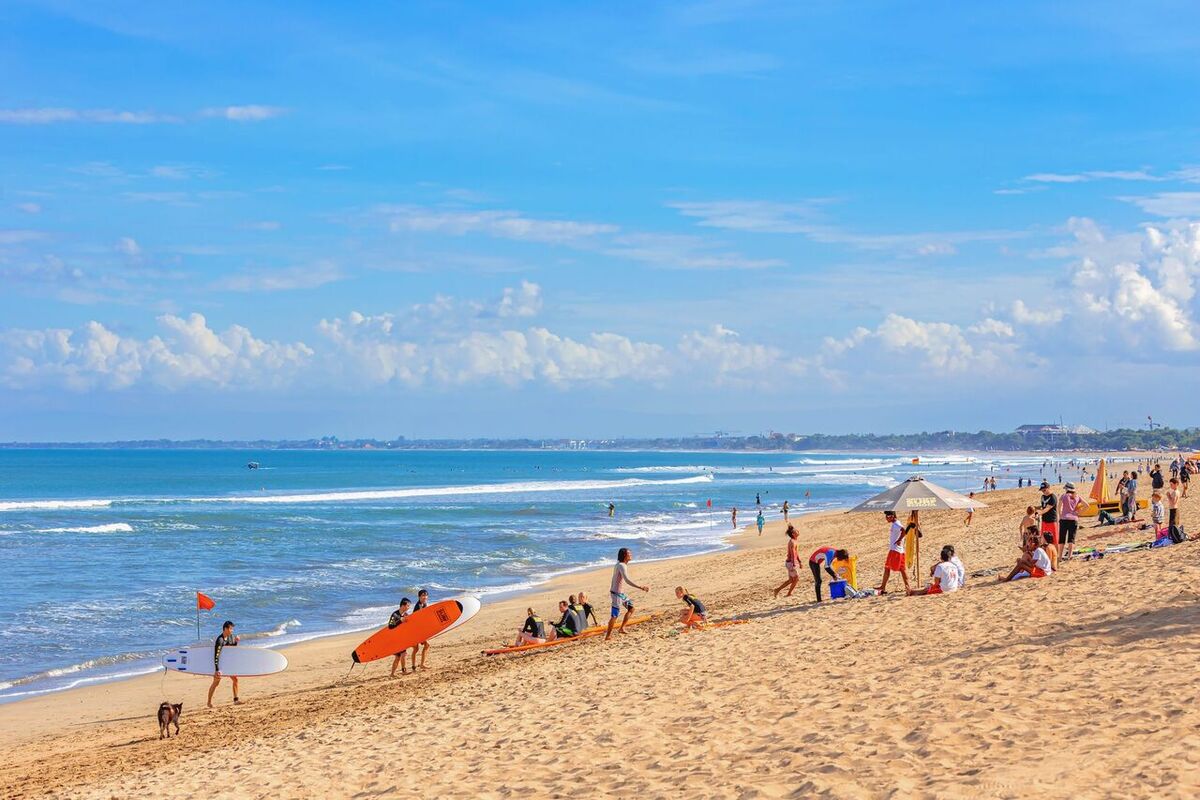
- Mid December (11-20 Dec): most of Jembrana, Tabanan, Badung, Denpasar, and Gianyar. Southern tourist areas such as Kuta, Seminyak, Canggu, Nusa Dua, and Ubud fall in this group.
- Late December (21-31 Dec): the north coast of Buleleng, eastern and southern Karangasem, Klungkung, and Nusa Penida (ZOM 436).
Rainfall character: 70% of zones are forecast normal and 30% above normal, mainly the north coast and eastern Karangasem. Peak rain: February in 80% of zones, March in 15% (including west Bali), and January in 5%. The infographic labels the peak chart "2026"; from context it clearly means January-March 2027.
So are October and November still dry?
Mostly, but "not yet rainy season" does not mean zero rain. Local afternoon showers still happen, especially in the highlands. The bigger effect is drought: RRI reported that north and east Bali, from Karangasem to Buleleng, face a risk of clean-water shortages, with the longest dry spell, 123 days without rain, recorded in Sumberklampok, Buleleng.
What does it mean for your holiday?
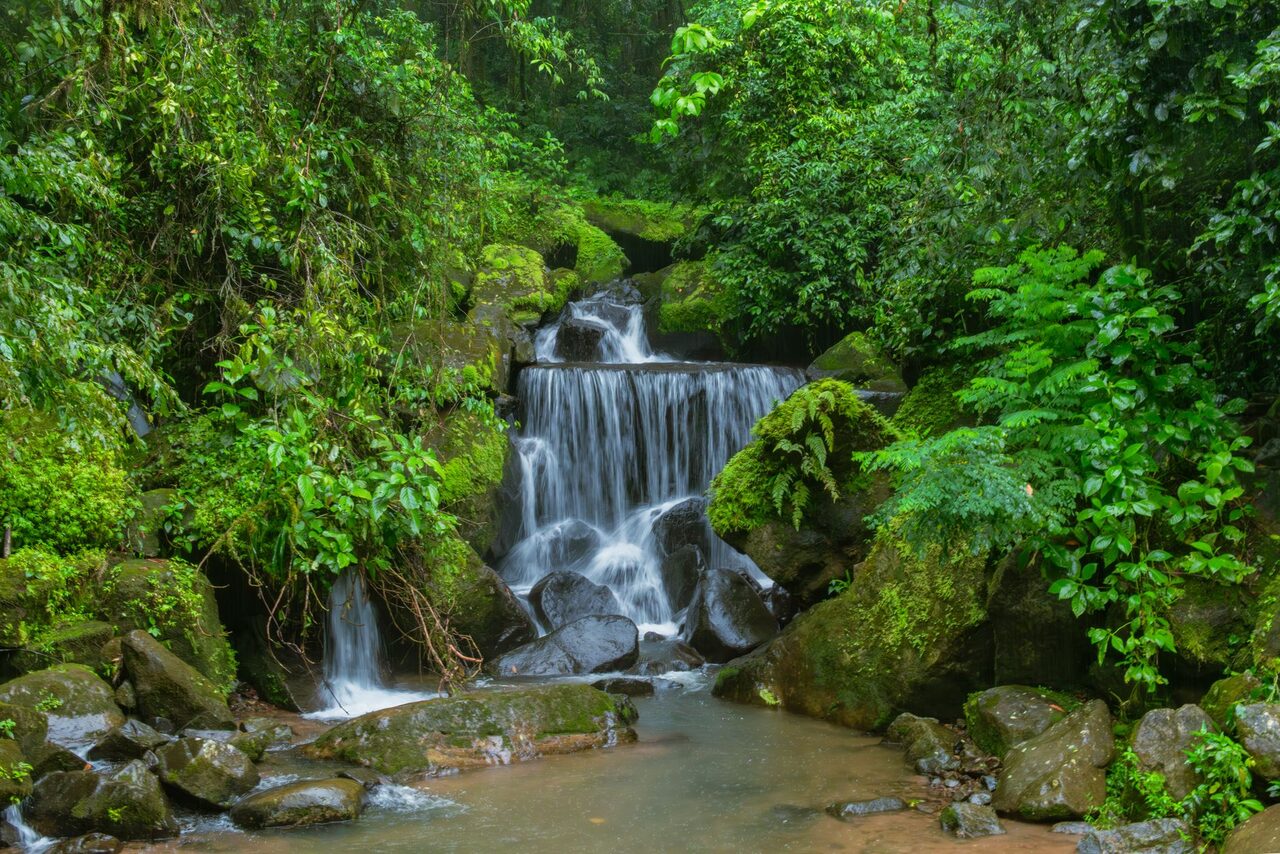
- Waterfalls: until early December, many waterfalls run thin after the long dry season. Once regular rain starts, they turn strong and muddy, and the steps down get slippery. Check that day's conditions with the operator or recent reviews.
- Trekking and hikes: the dry window for Batur and other highlands is longer than usual, roughly until the end of November. The catch is that the central zones are the first to turn wet, so mist and slippery trails may show up there first.
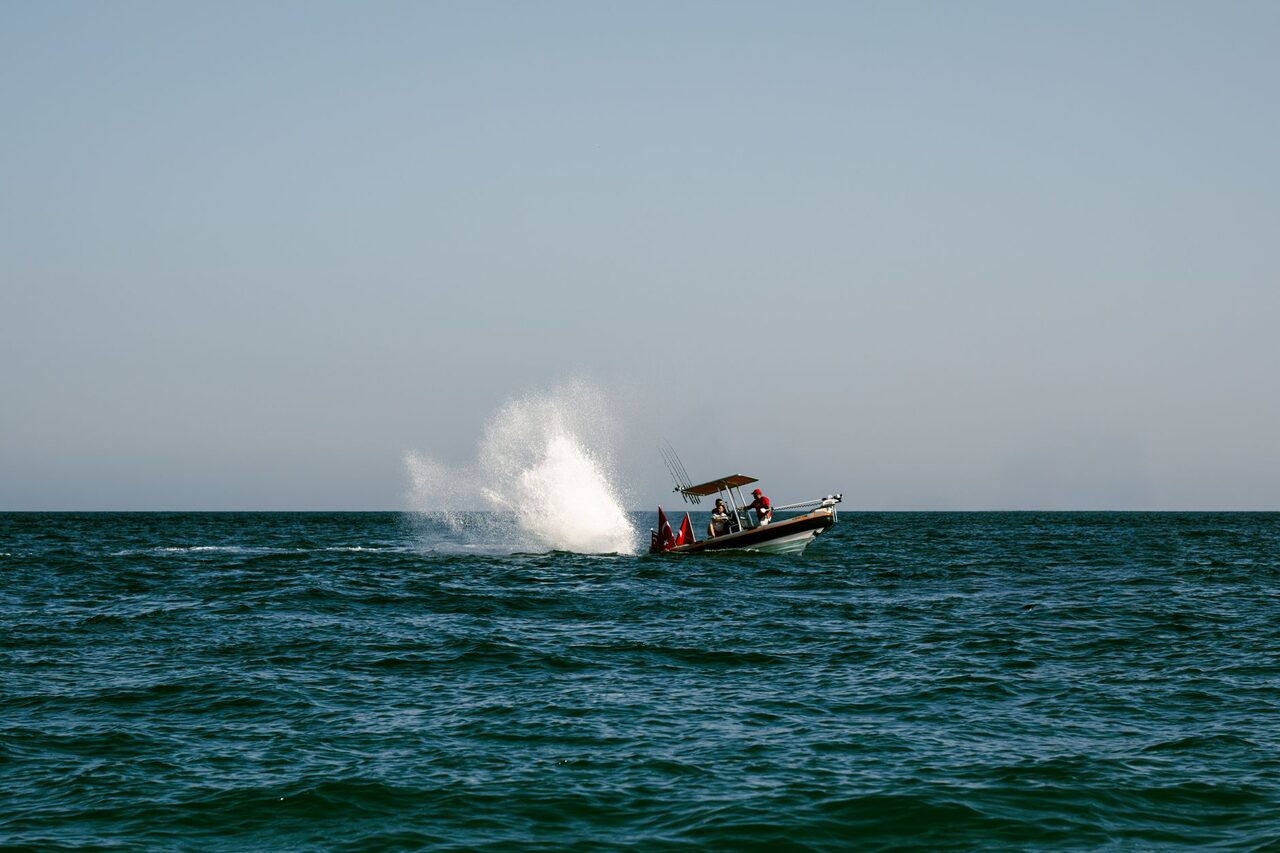
- Boats to Nusa Penida and the Gilis: Bali's rainy season usually arrives with the west monsoon, and high waves can cancel fast boat schedules. Check BMKG Maritime wave warnings the day before you sail.
- Washed-up rubbish: rubbish on west-facing beaches like Kuta, Legian, and Jimbaran usually arrives with the westerly winds. With the rains starting late, the peak may shift too; the beaches usually affected are listed in Bali beach rubbish season.
Planning for next month? Weather, waves, and ceremonies are covered in Bali in November 2026. If you are coming between December and February, activities that still work in the rain are in Bali in the rainy season. For that stretch, pick a hotel close to what you plan to do so you are not relying on long drives in a downpour; an AccessiaPass stay voucher can bring the cost down.
How reliable is this forecast?
It is a seasonal outlook, not a daily weather forecast. BMKG tracks the season by dasarian, so onset dates can move earlier or later and the next release may revise the figures above. On the day itself, the daily forecast in the Info BMKG app is far more useful than a seasonal map.




Mga Komento 0
Wala pang komento. Maging una sa pagkomento!