Carrying, keeping or using drugs in Bali can lead to years in prison, and trafficking larger amounts carries life imprisonment up to the death penalty. Legal status in your home country, a foreign prescription, or "only a small amount" does not automatically protect you.
The latest case: two Chileans at Ngurah Rai Airport
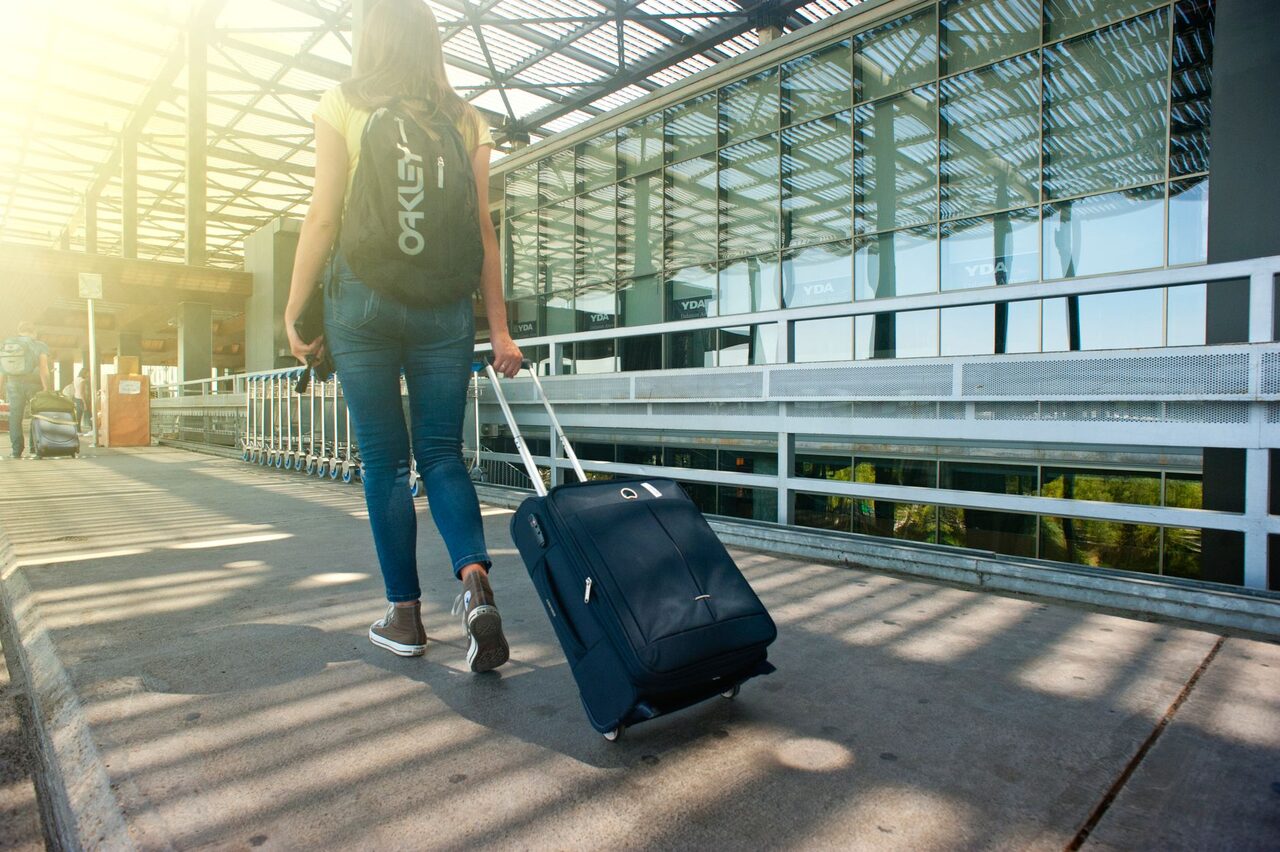
On 3 October 2026, Customs and BNNP Bali (the provincial anti-narcotics agency) detained a man (31) and a woman (23) from Chile in international arrivals after an X-ray scan found about 4.59 kg of cocaine (including packaging) in hidden compartments of their backpacks. They had flown from Santiago via Melbourne. Acting BNNP Bali head Stevy Frits Pattiasina said they claimed to be on holiday. An Indonesian man allegedly due to receive the drugs was arrested at a hotel in Kuta. The case was reported by bali.live and by Chilean outlets Emol and The Clinic on 17-18 October 2026; there is no verdict yet.
In February 2026 the Denpasar District Court sentenced two British men to 11 and 9 years after 1.3 kg of cocaine was found in one man's backpack at the airport (AFP via Malay Mail, 26 February 2026).
The legal basis, briefly
- Law 35/2009 on Narcotics sorts substances into Classes I-III. Cannabis, cocaine, heroin, crystal meth (methamphetamine), ecstasy (MDMA) and amphetamine are Class I, which cannot be used for medical treatment.
- Since 2 January 2026, the new Criminal Code (Law 1/2023) and Law 1/2026 on Penalty Adjustment have changed some of the criminal articles in the Narcotics Law. Possession and production/import offences moved to Articles 609 and 610 of the Criminal Code, special minimum sentences were removed, and maximum penalties stay high. According to Hukumonline (9 January 2026), Article 114(1) on selling and buying remains in force with a maximum of 20 years.
- The death penalty still exists. Under the new Code it is imposed with a 10-year probation period (Article 100); with good behaviour it can be commuted to life. The Attorney General's Office has said death sentences are sought for dealers and network bosses, not users.
- Users fall under Article 127 of the Narcotics Law: using Class I drugs for yourself carries up to 4 years, and addicts or victims of drug abuse must undergo medical and social rehabilitation.
An honest note: legal experts are still debating which articles now carry the heaviest penalties after the 2026 adjustment, and Supreme Court rulings this year already apply the new provisions. For tourists the practical takeaway is unchanged: penalties for bringing drugs into Indonesia remain among the harshest anywhere.
Mistakes that most often get tourists in legal trouble
- Assuming legal at home means safe in Bali. Cannabis is legal or decriminalised in Thailand, Canada, some US states, and in small amounts in the ACT (Canberra). In Indonesia it is still Class I. CBD and medical cannabis products are also a problem, see the rules on CBD, medical cannabis and kratom.
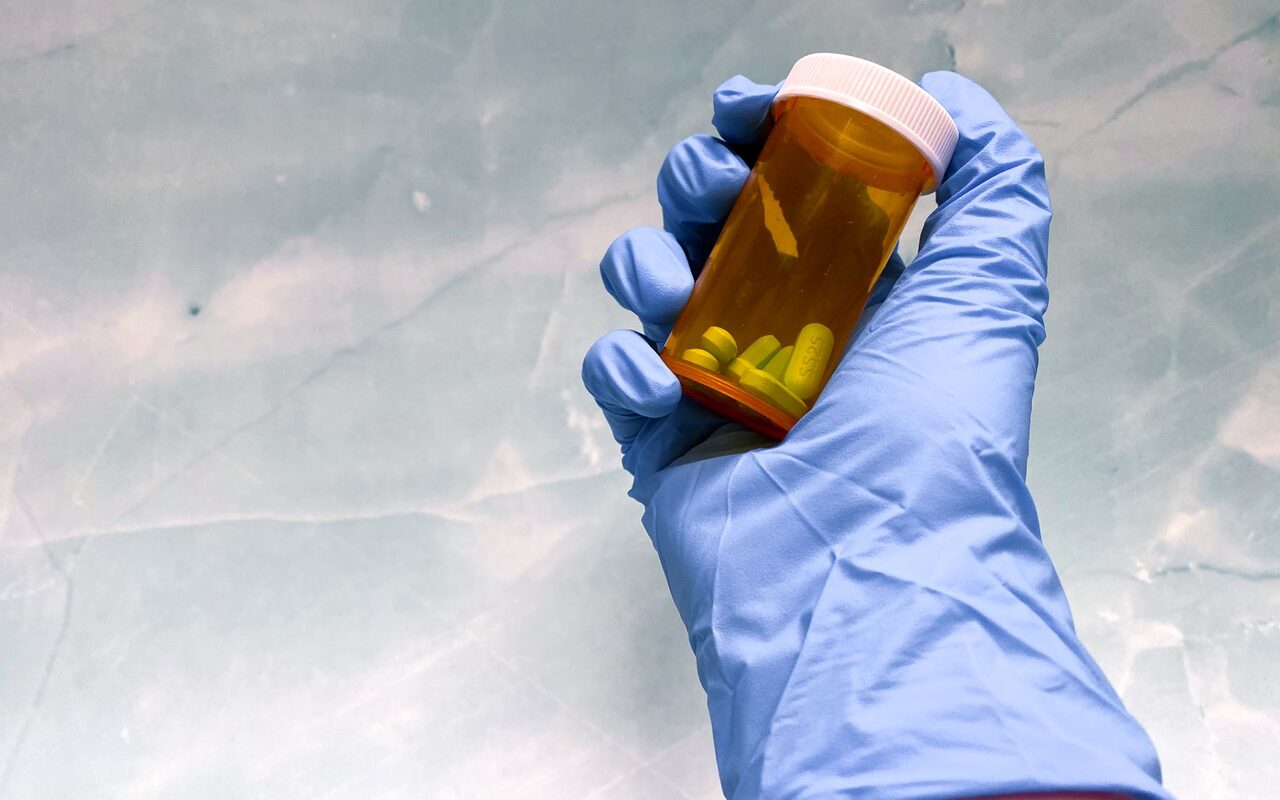
- Packing prescription medicine without checking its status. Amphetamine-based ADHD medication such as dexamphetamine is a Class I narcotic in Indonesia. In 2019 an Australian was held for several days in Bali after arriving with 87 dexamphetamine tablets and no doctor's letter (Newcastle Herald; Ngurah Rai Customs explanation in detik.com). Codeine products and benzodiazepine sedatives are also tightly controlled. Read the rules for bringing prescription medicine to Bali before you pack.
- Carrying something for someone else. Both the Chilean and British cases involved backpacks. Pack your own luggage and never carry bags, parcels or "gifts" for others.
- Buying from someone who approaches you in the street or a club. Offers of cannabis, cocaine or psilocybin mushrooms in nightlife areas often end in arrest. The Narcotics Law allows investigators to use undercover purchases, so the "seller" may be part of an operation.
- Ordering delivery to your villa by courier or messaging app. Many arrests of foreigners in Canggu and Seminyak began with a tracked parcel or transaction. Chat history can become evidence.
Users: rehab or prison?
For users caught with small amounts there is a rehabilitation route through an assessment by BNN's Integrated Assessment Team. For example, in 2024 a Bali court sentenced an Australian found with methamphetamine in a hotel room to six months of medical rehabilitation (ABC News/AP). Rehab is not automatic. Judges weigh the amount, test results and any sign of dealing. Many foreigners still receive prison terms, then are deported and banned from re-entry after release.
Cases Australian readers will know
- Bali Nine (2005): nine Australians were arrested over a plan to smuggle about 8.3 kg of heroin. Andrew Chan and Myuran Sukumaran were executed in 2015; the five remaining prisoners were returned to Australia in December 2024.
- Schapelle Corby (2004): arrested with about 4 kg of cannabis in her bodyboard bag, sentenced to 20 years, paroled in 2014 and deported in 2017.
If you or a friend are arrested
Ask to be put in touch with your embassy or consulate straight away, request an interpreter and a lawyer, and do not sign a statement you do not understand. The full steps are in your rights if detained by police in Bali, and other rules tourists often break are summarised in Bali rules for visitors.
Sources: Law 35/2009, Law 1/2023, Hukumonline (27 March 2025 and 9 January 2026), bali.live (18 October 2026), Emol and The Clinic (17 October 2026), AFP via Malay Mail (26 February 2026), ABC News/AP (2024). Checked 23 October 2026.
Frequently asked questions
Cannabis is legal in my country. Does that apply in Bali? No. Indonesian law applies, wherever you bought it. South Korean citizens face an extra layer: Korean law follows the nationality principle, so using cannabis abroad can be prosecuted back home.
How much counts as personal use? Supreme Court Circular (SEMA) 4/2010 gives judges reference amounts for sending defendants to rehab, for example 1 gram of meth, 8 ecstasy pills, 1.8 grams of cocaine or heroin, and 5 grams of cannabis. These are court guidelines, not legal limits; you can still be prosecuted below them.
What about kratom or magic mushrooms? The active compound in psilocybin mushrooms is Class I. Kratom has its own, shifting status; details are in the CBD and kratom article linked above.


Comments 0
No comments yet. Be the first to comment!