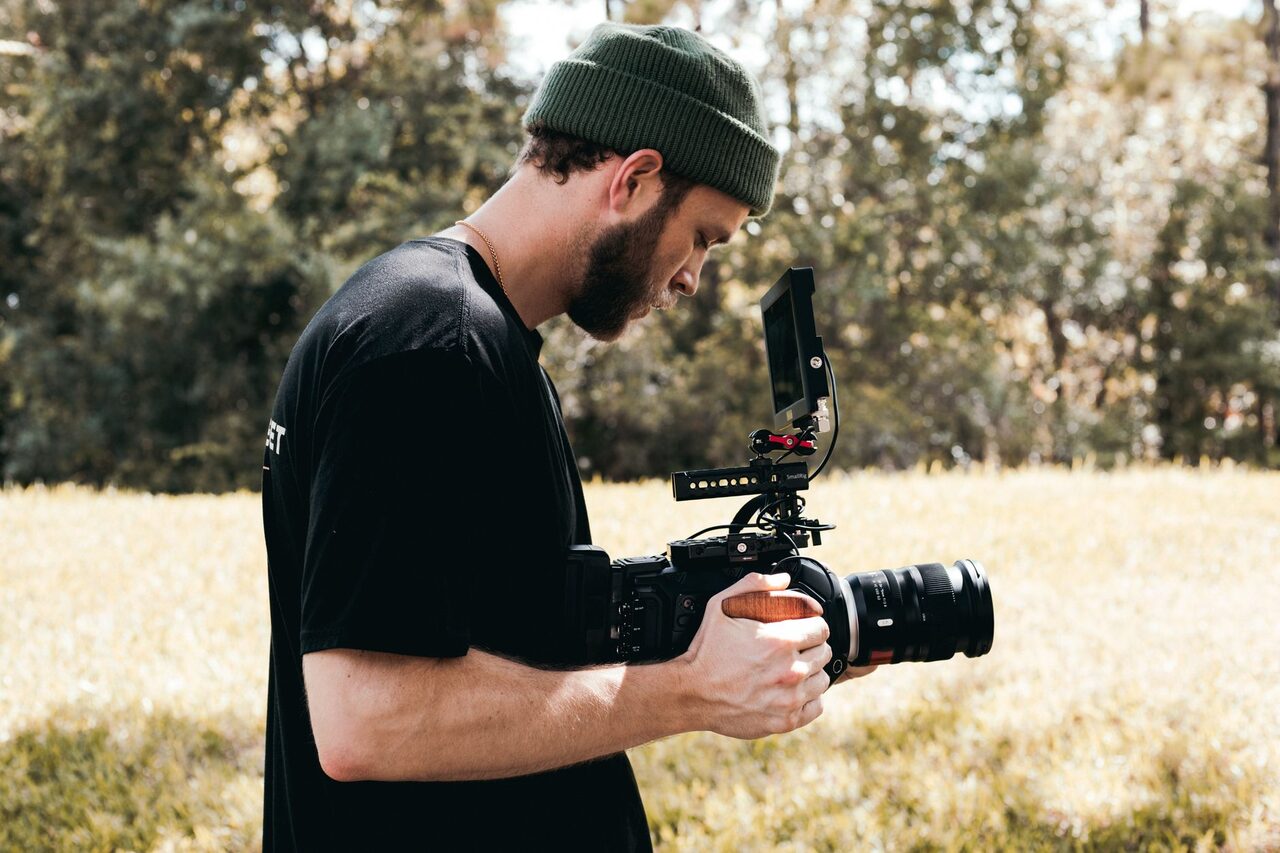
No. Paid content, endorsements, free-stay barter deals and commercial filming in Bali are not allowed on an e-VOA, a tourist visit visa or visa-free entry. For film, music video or advertising productions, immigration offers a film production visit visa (index C14), and filming by foreign parties needs a permit from the ministry in charge of film.
Smartraveller, the Australian government's travel advice site (updated 21 October 2026), states that posting content for revenue, payment or sponsorship on a tourist visa is a breach, even if the content is published after you have left Indonesia. The legal basis is Immigration Law 6/2011: Article 75 allows deportation and entry bans, and Article 122(a) sets up to 5 years' prison and a fine of up to Rp500 million for foreigners whose activities do not match their stay permit. Checked 25 October 2026.
Below are the eight assumptions that most often get foreign creators into trouble with immigration.
1. “I wasn't paid, I only got a free room”
Barter still counts. What's New Indonesia (25 May 2026) reported the position of Bali immigration officers: what matters is not whether money changed hands but whether the activity creates promotional or economic value for a business. A free stay in exchange for hotel reels falls squarely inside that. Bali's tourist levy does not grant any permission to work either.
2. “I'll post it after I fly home”
According to Smartraveller, Indonesian authorities may treat it as a visa breach even if the content goes up after you leave. The consequence may only show when you return and are refused entry.
3. “A business visa covers content work”
It does not. ANTARA Bali reported that Ngurah Rai Immigration Office deported BR, a Lithuanian national, on 13 August 2026. He entered on a business visit visa on 7 May 2026 and then worked as a paid content creator and digital marketer for the travel agency “The Bali Dream”. He received a five-year entry ban.
4. “We have a location permit, the visa is a separate matter”
The visa still decides. In April 2025, Batam immigration deported nine Singaporean and Malaysian nationals who were shooting a series at a hotel. They held location approval from the Ministry of Culture but had entered on a visa on arrival. Immigration said they should have used index C14, D14 or E23K (Warta Ekonomi, 26 April 2025).
Article 22 of Film Law 33/2009 requires filming by foreign parties at Indonesian locations to obtain a ministerial permit, issued free of charge within seven working days. The official immigration page for C14 says it covers films, music videos, reality shows, documentaries and TV programmes, with an initial 60-day stay, a Rp2 million fee, a required sponsor, and no wages from Indonesian parties.
5. “Immigration doesn't watch Instagram”
Immigration set up the Dharma Dewata Patrol Task Force in mid-April 2026, patrolling Canggu, Ubud, Seminyak, Kerobokan and Uluwatu (ANTARA). RRI reported 62 foreign nationals detained in the first weeks, for offences ranging from overstaying to working without a permit. BR's case started with a look at an Instagram account. More examples, including a Russian advertising model and a US citizen promoting villas, are in 10 deportation cases from October 2026.
6. “My clients are overseas, so a tourist visa is fine”
A tourist visa still does not allow work. Remote work paid from abroad fits the E33G remote worker visa, but What's New Indonesia notes it is generally not meant for direct deals with Indonesian hotels, restaurants or sponsors. Working for an Indonesian company needs an employer-sponsored work KITAS (E23). The limits are explained in remote work and volunteering on a tourist visa.
7. “A drone is just a small gadget”
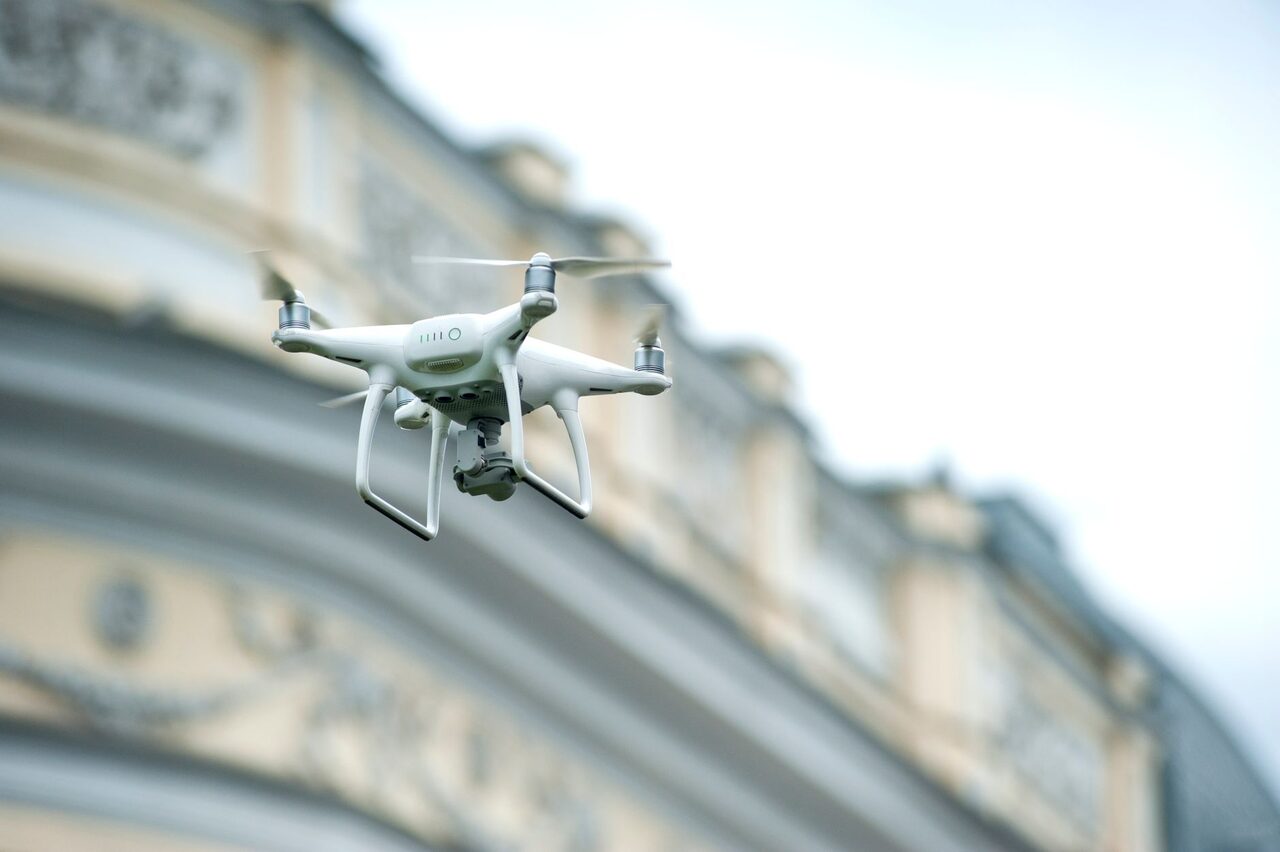
Drones have their own rules on top of the visa: height limits, no-fly zones around airports and extra permits for commercial use. Read Bali drone rules 2026 before you pack one.
8. “Public places are free to film”
Temples and customary villages set their own camera rules, and some charge fees or refuse commercial shoots. Conservation areas such as West Bali National Park require an entry permit (SIMAKSI). Indecent content at sacred sites can lead to criminal charges whatever visa you hold. Other etiquette rules are on the Bali rules page.
What you can still do
Photographing and filming your own holiday and posting it to a personal account with no payment, sponsorship or perks is fine. Problems begin when someone gains commercial value: paid tags, affiliate codes for local businesses or a brand contract.
Quick answers for creators
My YouTube vlog is monetised. Does that count? Smartraveller lists “posting content online for revenue” as a tourist visa breach, so monetisation is risky ground. Immigration has not published detailed guidance on this. If content is your main job, get the proper visa.
The hotel invited me. Who gets sanctioned? Deportation and entry bans fall on the foreigner. The inviting business may also be questioned, but that does not reduce your risk.
How long does a C14 take? Allow for the film permit first (the Film Law caps it at seven working days), then the sponsor's visa application at evisa.imigrasi.go.id. Many foreign productions hire a local fixer to handle both.





Comments 0
No comments yet. Be the first to comment!