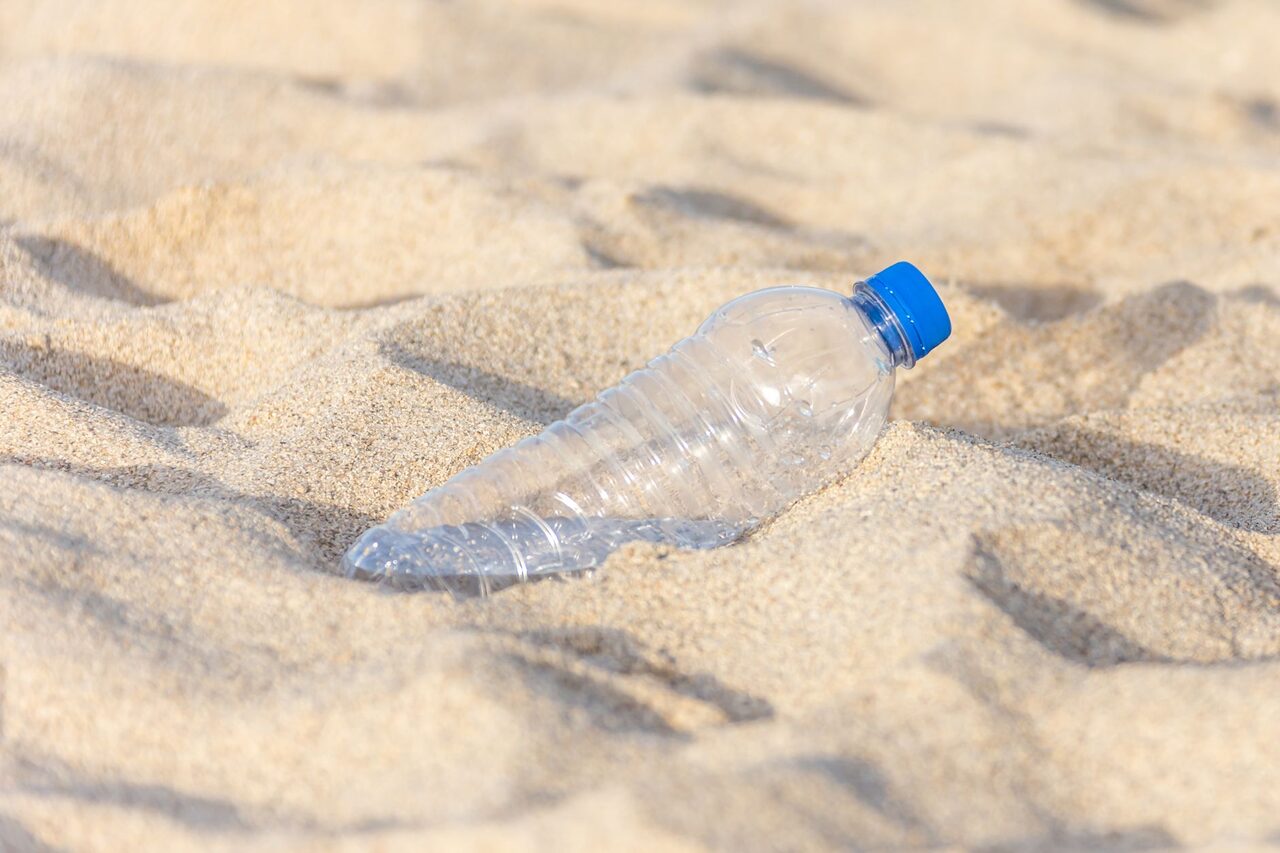
In Denpasar and Badung, littering carries a maximum fine of IDR 50 million (about US$3,000) or detention of up to 6 months in Denpasar and 3 months in Badung. Those are ceilings in the local bylaws, not fixed tickets. In minor-offence hearings (tipiring) held by the Denpasar city government, fines were reported at a few hundred thousand up to about IDR 2 million. All rules below were checked in October 2026.
What is the national legal basis?
Law No. 18 of 2008 on Waste Management, Article 29, bans anyone from disposing of waste outside designated and provided places. The law leaves the detailed sanctions to regency and city bylaws (Perda), which may set detention or fines. That is why the fine in Bali depends on where you are.
How much is the fine in Denpasar?
Denpasar City Bylaw No. 8 of 2023 on Waste Management requires everyone to handle waste in an environmentally sound way (Article 9) and bans environmentally unsound waste handling, including hauling waste outside the set schedule (Article 53). Violators may face administrative sanctions, from warnings to an administrative fine whose procedure is set by a mayoral regulation (Article 54). The criminal penalty is detention of up to 6 months or a fine of up to IDR 50,000,000 (Article 56), classed as a minor offence.
Antara Bali reports on tipiring hearings in Denpasar cite fines of IDR 100,000 to IDR 2 million. Those reports predate the 2023 bylaw, so treat them as a picture of practice, not a benchmark.
What about Badung (Kuta, Seminyak, Canggu, Nusa Dua, Uluwatu)?
Badung Regency Bylaw No. 7 of 2013 on Waste Management, Article 47, bans dumping waste outside designated places, open dumping, and burning waste that does not meet technical requirements. Article 50 sets detention of up to 3 months or a fine of up to IDR 50,000,000. As of October 2026 no Badung bylaw revoking it was found; check Badung's legal database (JDIH) if you need legal certainty.
Other regencies such as Gianyar, Tabanan or Karangasem have their own waste bylaws. Their amounts were not verified for this article, so don't assume the Denpasar and Badung figures apply there.
Can the single-use plastic rules fine tourists?
Bali Governor Regulation No. 97 of 2018 limits single-use plastic waste: plastic bags, styrofoam and plastic straws. It targets producers, distributors, suppliers and businesses such as shops, restaurants and hotels, with administrative sanctions ranging from warnings to revoking business permits. Tourists as consumers are not fined for carrying a plastic bag, but you will often be refused a plastic bag or straw in shops.
Bali Governor Circular No. 9 of 2025 on the Clean Bali from Waste Movement tightens the same direction. Villages, customary villages and businesses must manage waste at source. Sanctions target institutions: delayed financial aid for villages, and permit reviews or revocation plus public naming on social media for non-compliant hotels, restaurants and cafes. The small plastic water bottle ban from the same circular is covered in our article on plastic bottled water in Bali.
Can customary villages impose their own sanctions?
Yes. Bali Governor Regulation No. 47 of 2019 on Source-Based Waste Management lets customary villages (desa adat) regulate waste through awig-awig or pararem, including customary sanctions. They vary. Reports from a few years ago said Samsam village in Tabanan set a customary fine of IDR 5 million for littering, and in April 2026 the Kuta customary village prepared a penalty paid in rice for illegal dumping on Kuta Beach, backed by beach task force patrols and a planned CCTV camera. Customary sanctions apply within that village, cover outsiders too, and differ from village to village.
Who enforces it on the ground?
Bylaws are enforced by Satpol PP (the civil service police) together with the regency or city environment agency, and violators can be brought to a tipiring hearing. In customary village areas and on beaches, pecalang (village guards) and beach task forces also watch. For tourists, the most realistic risk is an on-the-spot warning, being told to pick the rubbish back up, or a local customary sanction.
What should you do?
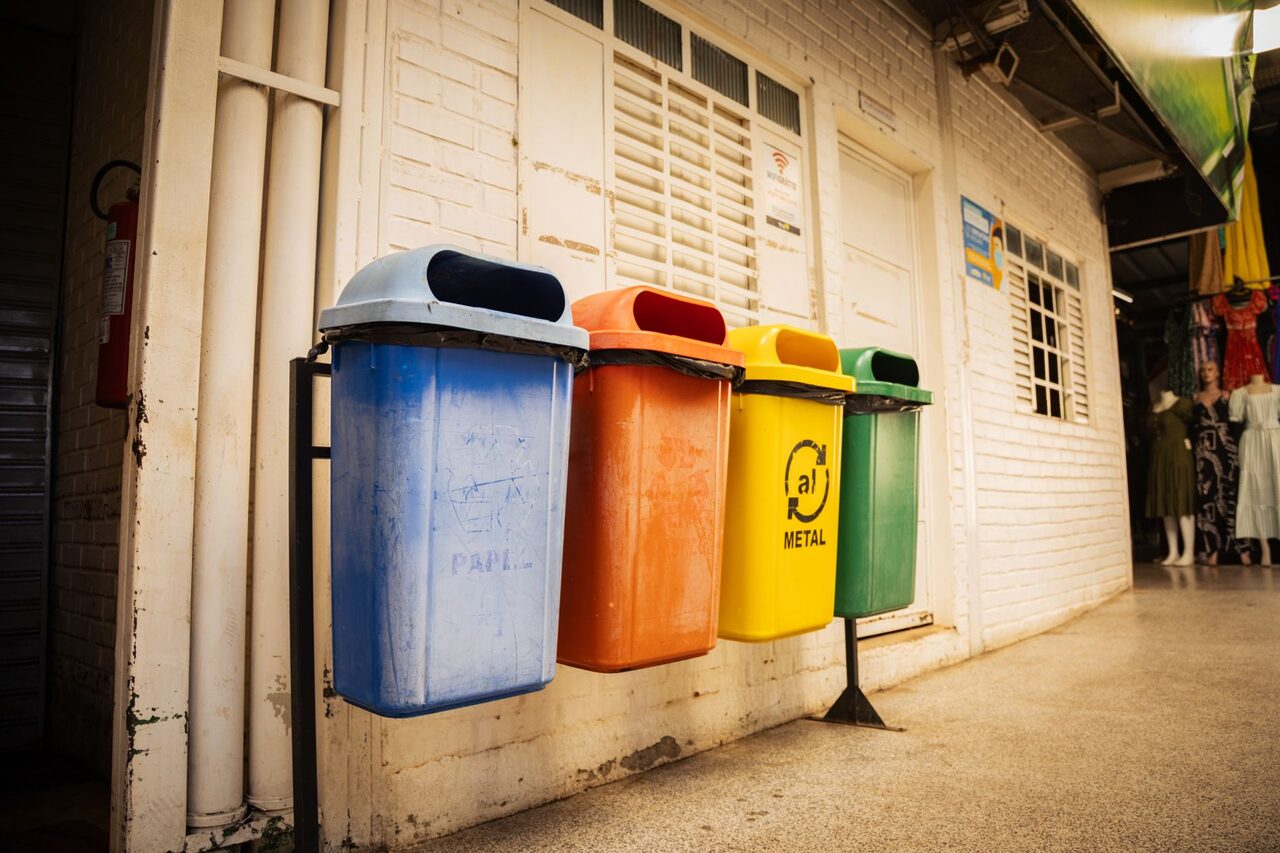
- Hold on to your rubbish until you find a bin. Many bins at beaches and tourist spots are already split into organic and inorganic.
- Don't burn rubbish in a rented villa's garden. In Badung, burning waste that does not meet technical requirements is banned under Article 47.
- If you stay in a villa or guesthouse, ask about the collection schedule. In Denpasar, hauling waste outside the schedule is banned under Bylaw 8/2023.
- Bring a refillable bottle and your own shopping bag, as plastic bags and small bottled water are increasingly hard to find.
Piles of rubbish on Bali's west-coast beaches in the rainy season are mostly not dropped by visitors but carried in by ocean currents. The timing is explained in our article on the marine debris season.






Bình luận 0
Chưa có bình luận nào. Hãy là người đầu tiên bình luận!