The safest place to change leftover rupiah is a Bank Indonesia-licensed money changer in Bali, a day or two before your flight, not an airport kiosk at the last minute. When you change back, you are selling rupiah and buying foreign currency, so the money changer's sell rate applies. That number is always higher than the buy rate you saw when you first changed dollars on arrival.
How do you check that a money changer is licensed?
According to Bank Indonesia's education page on bi.go.id (checked October 2026), a licensed non-bank money changer (KUPVA BB) must display BI's KUPVA logo, its business licence certificate and the words "Authorized Money Changer" where customers can see them. BI also publishes a list of licensed KUPVA BB operators and a list of revoked licences on its site. Warning signs, according to BI: rates far more tempting than elsewhere, no fixed business location, and reluctance to share information. Complaints go to the BI Contact Center on 131.
Counting tricks at small kiosks in Kuta and Legian, plus ATM and QRIS options, are covered in our guide to changing money and paying in Bali.
Buy rate vs sell rate: what does it mean for you?
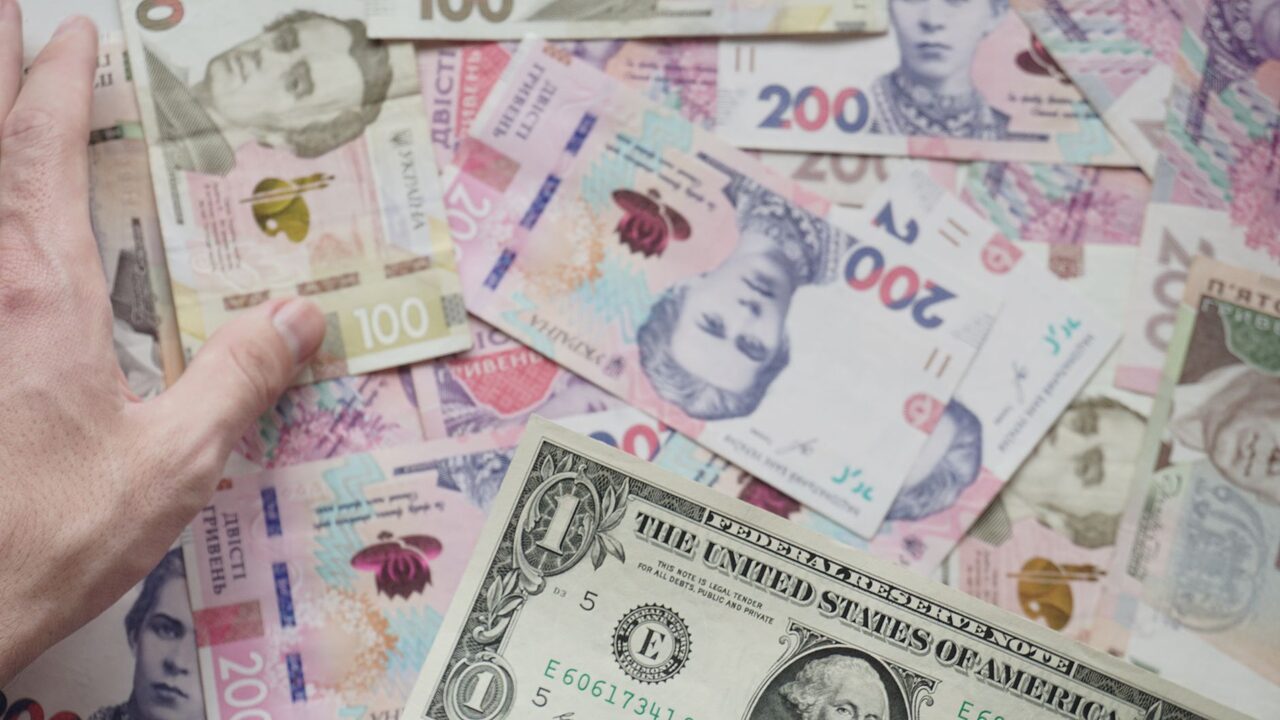
Rate boards show two numbers per currency. The buy rate (we buy) applies when you hand over dollars and receive rupiah. The sell rate (we sell) applies when you hand over rupiah to get dollars. The gap between them is the money changer's margin. For heavily traded currencies such as USD, AUD and SGD the gap is usually narrow. For less common currencies it can be much wider, and some money changers don't stock them at all. Compare the sell rate at two or three licensed places, ask whether there are any extra fees, and count the cash at the counter before you walk away.
What about money changers at the airport?
We could not verify the exact location or rates of money changers in Ngurah Rai's departure area in October 2026, so don't make that your main plan. Airport rates are generally worse than in town, and once you are through immigration your options shrink. Change in town, then keep just enough for the ride to the airport and food before boarding.
How much rupiah can you take out of Indonesia?
For normal holiday leftovers, no permit is needed. The threshold is Rp100 million: carrying Rp100 million or more in rupiah cash out of Indonesia requires prior permission from Bank Indonesia (BI Regulation No. 4/8/PBI/2002), and cash of at least Rp100 million or the foreign-currency equivalent must be declared to Customs (Government Regulation No. 99/2016). The penalty for not declaring is a fine of 10% of the amount, capped at Rp300 million. Details, including the rules on arrival, are in our article How much cash can you bring to Bali?
Can you change rupiah back home?
The honest answer: it depends on the country and the provider. No Indonesian rule bans rupiah from being traded abroad; according to a Hukumonline explainer, money changers overseas follow their own country's rules. In countries that send many holidaymakers to Bali, such as Australia, Singapore and Malaysia, you can often change rupiah at a money changer, but the rate is usually poor and some only take large notes. In many other countries, banks don't hold rupiah at all. Ask a provider in your home city before deciding to carry a meaningful amount back.
Besides exchanging, what can you do with leftover rupiah?
- Settle your hotel bill at check-out (minibar, laundry, airport transfer) in cash, and put the rest on a card.
- Top up an e-wallet if you use GoPay, OVO or DANA with an Indonesian number. You can top up in cash at a minimarket till for your next visit, but watch the validity of your prepaid number: if it lapses, getting back into the account can be a hassle.
- Keep it for next time. A few Rp50,000 and Rp100,000 notes cover a taxi or your first meal when you return, without queueing at the arrivals money changer.
- Donate to a local charity you know, such as an animal shelter or an environmental programme, in person at their office and with a receipt.
One small thing people forget: money changers almost never accept rupiah coins, in Bali or abroad. Spend the coins first, on parking or a bottle of water at a minimarket.

Mga Komento 0
Wala pang komento. Maging una sa pagkomento!