You may not take coral or turtle products out of Bali without a permit; ordinary shells and a little sand from a public beach are generally fine, with some important exceptions. Anything protected by Indonesian law or listed under CITES needs an export permit that a tourist realistically cannot obtain, and destination countries such as Australia apply their own rules when you land. Every rule below was checked against official texts as of September 2026.
Can I take coral home?
No, unless you hold a CITES export permit. All stony corals (Scleractinia) are on CITES Appendix II, so taking them out of Indonesia requires official export documents. That includes pieces of dead coral sold at souvenir stalls. Taking coral inside a conservation area is banned under Article 35 of Law 27/2007 on Coastal Zone Management; the penalty is now up to 10 years in prison and/or a fine of up to Rp2 billion.
The CITES "personal effects" exemption does not help either. Australia, for example, does not accept that exemption for goods from Indonesia, so coral bought in Bali still needs an Indonesian export permit.
What about shells?
It depends on the species. The protected-species list in Environment Ministry Regulation P.106/2018 includes, among others:
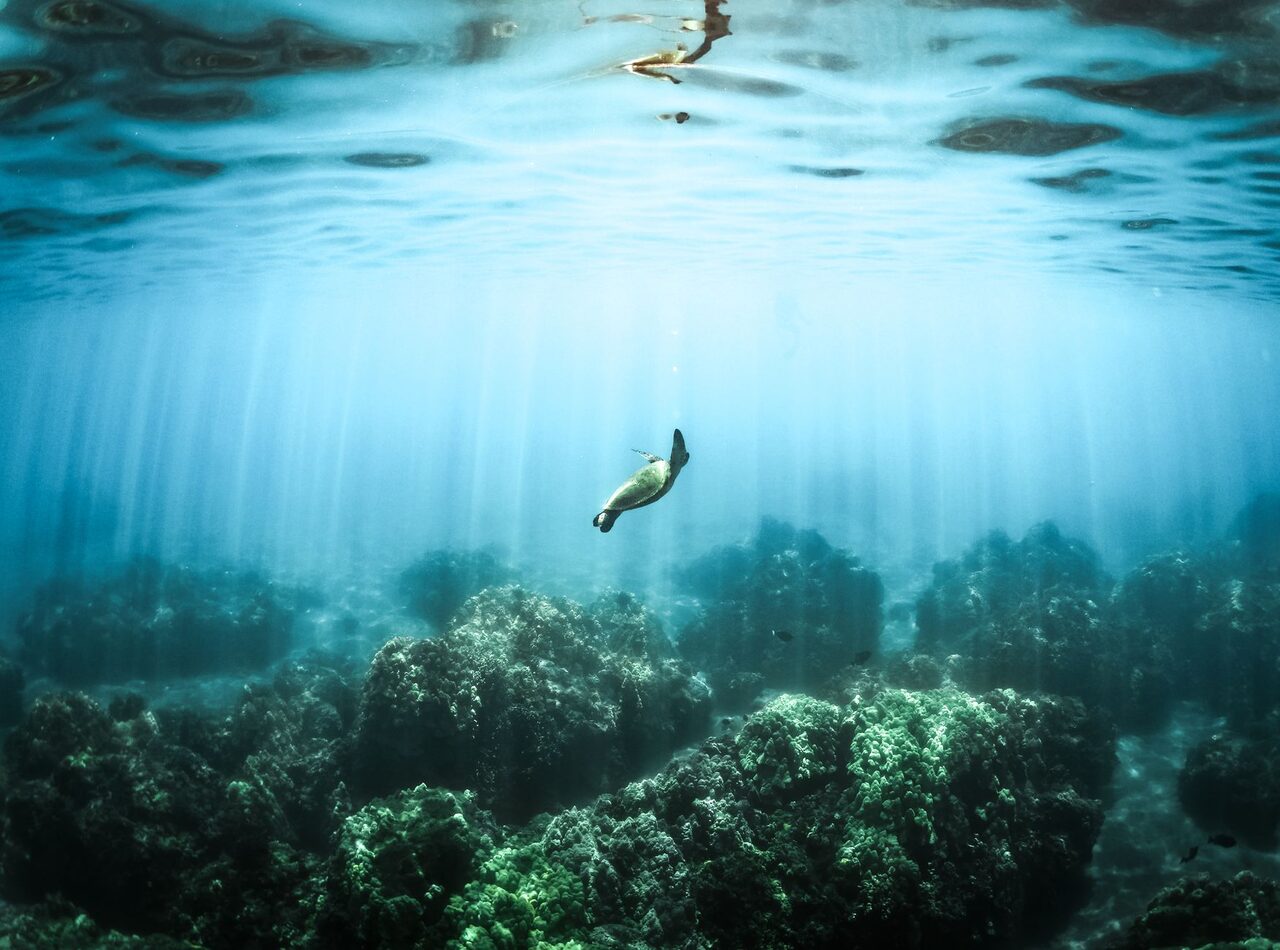
- all six sea turtle species found in Indonesia, including shells and items made from tortoiseshell (combs, bracelets, glasses frames);
- the giant clams Hippopus hippopus and Hippopus porcellanus;
- the triton trumpet (Charonia tritonis) and horned helmet (Cassis cornuta);
- the chambered nautilus (Nautilus pompilius);
- the coconut crab and horseshoe crabs.
The five Tridacna giant clam species are no longer on Indonesia's national protected list but remain on CITES Appendix II. The CITES personal-effects limit for giant clams is only 3 shells or 3 kg per person, and only for legally acquired items. That is hard to prove for a shell bought from a beach stall. Small common shells that are not protected are not specifically banned, but they can still be inspected at your destination.
What are the penalties for protected species?
Law 32/2024, which amended Law 5/1990 on Conservation and was enacted on 7 August 2024, bans keeping, owning, transporting or trading protected animals, their parts or goods made from them (Article 21(2)(c)), and taking them out of Indonesia (Article 21(2)(e)). Since Law 1/2026 on Penalty Adjustment took effect on 2 January 2026, minimum sentences have been removed and only maximums remain:
- Owning or trading (Article 40A(1)): up to 15 years and/or a fine of up to category VII, which is Rp5 billion.
- Taking out of Indonesia (Article 40A(2)): up to 10 years and/or a fine of up to category VI, which is Rp2 billion.
Many websites still quote the old "3-15 years" range; those minimums no longer apply. Enforcement is real: in February 2026 quarantine and aviation security officers at Sam Ratulangi Airport in Manado seized nautilus, giant clam, triton and coral from a passenger bound for Guangzhou.
Can I take beach sand?
We found no national rule stopping visitors from taking a little sand from a public beach. The exception is nature conservation areas such as West Bali National Park, including Menjangan Island. Article 33(2)(g) of the Conservation Law bans taking or moving any object, living or dead, from such areas, with a penalty of up to 10 years and/or a fine of up to Rp2 billion. Your destination country may also hold sand that is mixed with soil or plant matter.
Statues, pratima and antiques?
Items with cultural heritage status may leave Indonesia only for research, cultural promotion or exhibitions, and only with a ministerial permit (Article 68 of Law 11/2010). Violations carry up to 10 years and/or a fine of up to Rp2 billion (Article 109). A pratima, a sacred temple figure, offered as an "antique" should make you suspect theft, as pratima thefts have happened repeatedly in Bali. New crafts made by artisans, such as masks, wood carvings or stone carvings, are fine to take; keep the receipt.
How much cash can I carry out?
- Cash in rupiah or foreign currency worth Rp100 million or more must be declared to Customs (Finance Ministry Regulation 157/2017 as amended by 100/2018). If you fail to declare, the fine is 10% of the amount carried, capped at Rp300 million.
- Taking Rp100 million or more in rupiah abroad also requires prior permission from Bank Indonesia.
- Individuals may not carry foreign banknotes worth Rp1 billion or more; only businesses licensed by Bank Indonesia may.
What about quarantine on departure?
Article 34 of Law 21/2019 on Quarantine requires anyone taking animals, fish, plants or their products abroad to carry a health certificate, leave through a designated exit point and report to a quarantine officer. The penalty under Article 87 is now up to 3 years and/or a fine of up to Rp50 million. If you are unsure about a plant- or animal-based souvenir, ask the quarantine officers at the airport before check-in.
Rules at your destination: the Australian example
According to Australia's Department of Agriculture (DAFF, page updated 12 March 2026), shells, sand, rocks and fossils are allowed if free of insects, soil and animal or plant material, and they will be inspected; oyster shells are excluded. Coral must be dead and clean, on top of the CITES permit requirement above. Wooden items must be declared and free of bark and insects. Infringement notices for failing to declare high-risk goods are 6 or 12 penalty units, A$2,184 or A$4,368 at A$364 per unit since 1 July 2026, and visas can be cancelled. Other countries have their own rules, so check your destination's customs website.
Souvenirs that are safe to take
- Endek and songket textiles, and clothing.
- Celuk silver jewellery, new wood carvings and masks (declare wooden items if you are flying to Australia).
- Roasted coffee, tea and chocolate in sealed factory packaging.
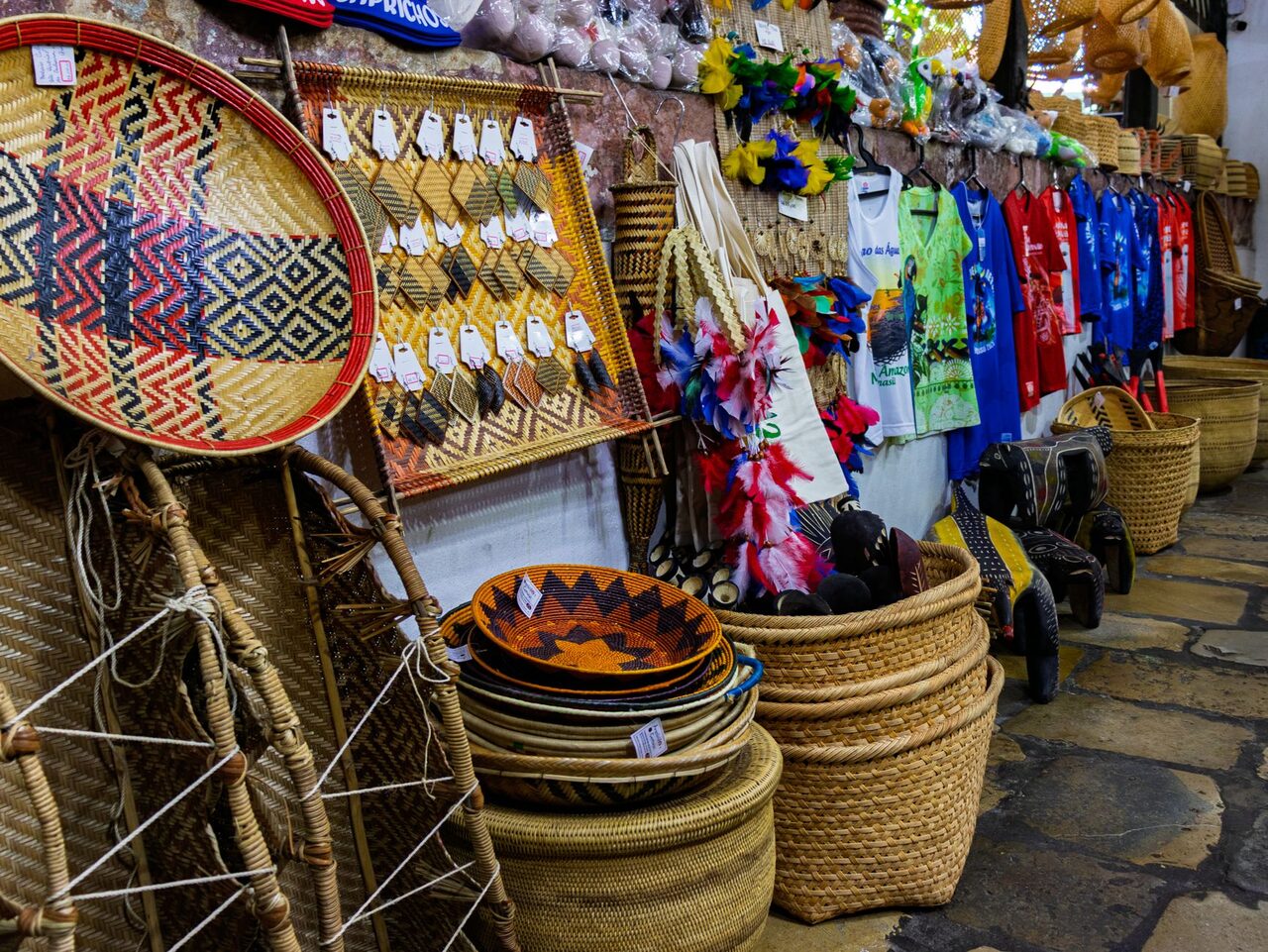
- Crafts made from common shells bought in a shop with a receipt, not whole large shells.
Where to shop and what to pay is covered in our Bali souvenir and crafts guide, and how to see turtles without harming them is in our ethical wildlife article. If your question is actually about what you can bring in, read how much alcohol you can bring into Bali. The simplest rule of thumb: if the seller cannot explain where a marine item came from and give you a receipt, do not buy it.




Mga Komento 0
Wala pang komento. Maging una sa pagkomento!