Getting a tattoo in Bali can be safe, provided the studio uses new single-use needles and sterilises equipment in an autoclave. The problem is careless studios. The case most often cited dates from late 2011: the Western Australian Department of Health said a resident had most likely contracted HIV from a tattoo done in Bali, and a joint investigation with Indonesian authorities in the Kuta area found poor infection-control practices in several parlours.
What infections can a tattoo transmit?
The main three are hepatitis B, hepatitis C and HIV, plus bacterial infection of the wound. The WHO fact sheet on hepatitis B lists tattooing and piercing among the routes of transmission. The CDC says hepatitis C can spread through tattoos or piercings done in unregulated settings. Indonesia's Ministry of Health (Kemenkes) includes people with a history of tattoos and piercings with unsterile equipment in the group advised to get early hepatitis B screening.
Two simple steps before you fly: confirm you have had the hepatitis B vaccine (see which vaccines you need before Bali), and if you have already been tattooed somewhere doubtful, get tested for HIV and hepatitis after you return, as Western Australian authorities advised in the 2011 case.
How do you choose a safe studio?
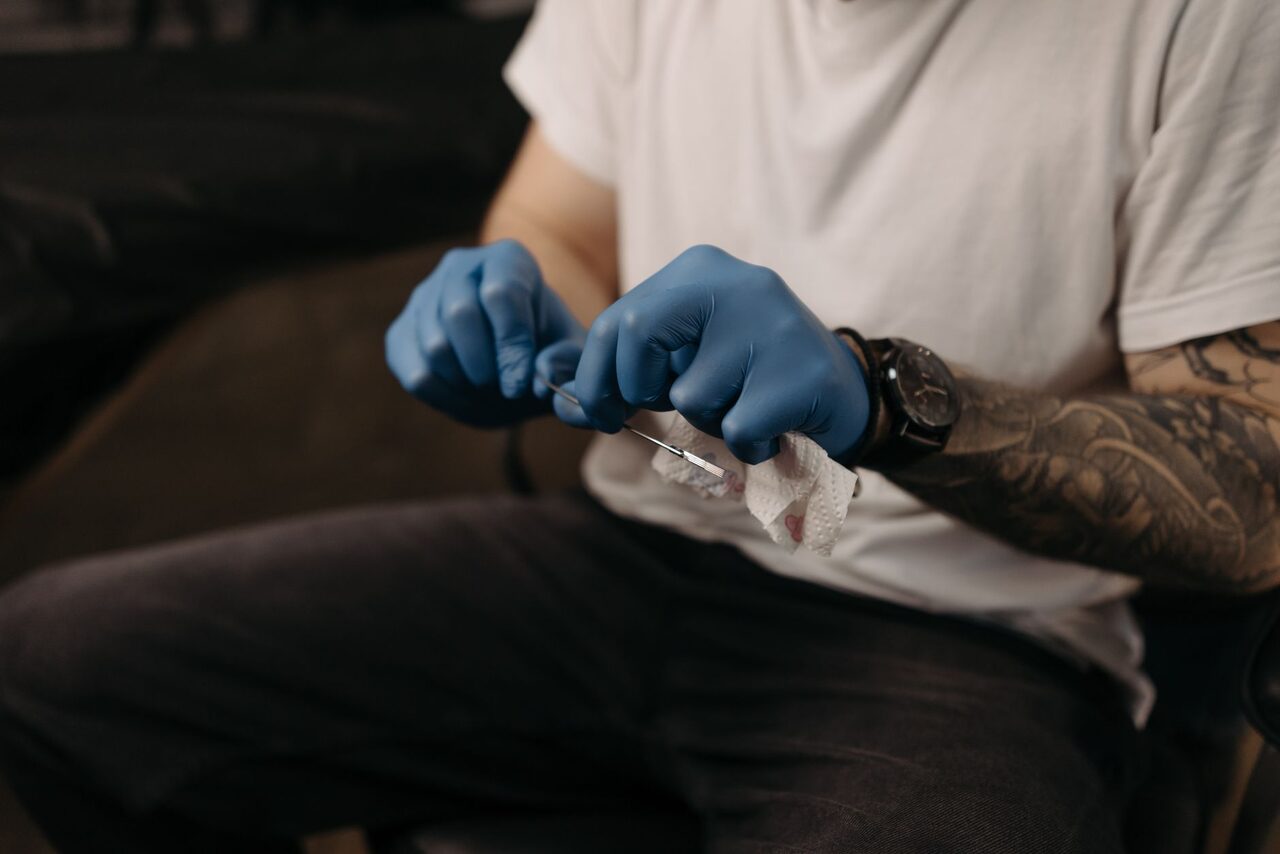
- Needles and cartridges opened in front of you from sealed sterile packaging. Ask to see them if they are not shown.
- Ink poured into small single-use caps, with leftovers thrown away, not poured back into the bottle.
- An autoclave for any reusable metal tools. A serious studio can show you the machine and its sterilisation test records.
- Fresh gloves, and the machine, cables and spray bottles wrapped in barrier film that is changed for every client.
- A business licence. Ask for the studio's NIB (business identification number) from Indonesia's OSS system. A licence does not prove hygiene, so still check the points above.
- Avoid tattoos on the beach, in hotel rooms or from mobile artists without a studio. Avoid getting tattooed while drunk, too.
- Portfolio and recent reviews. A price far below the market is a reason to ask more questions, not to say yes on the spot.
Is black henna on the beach safe?
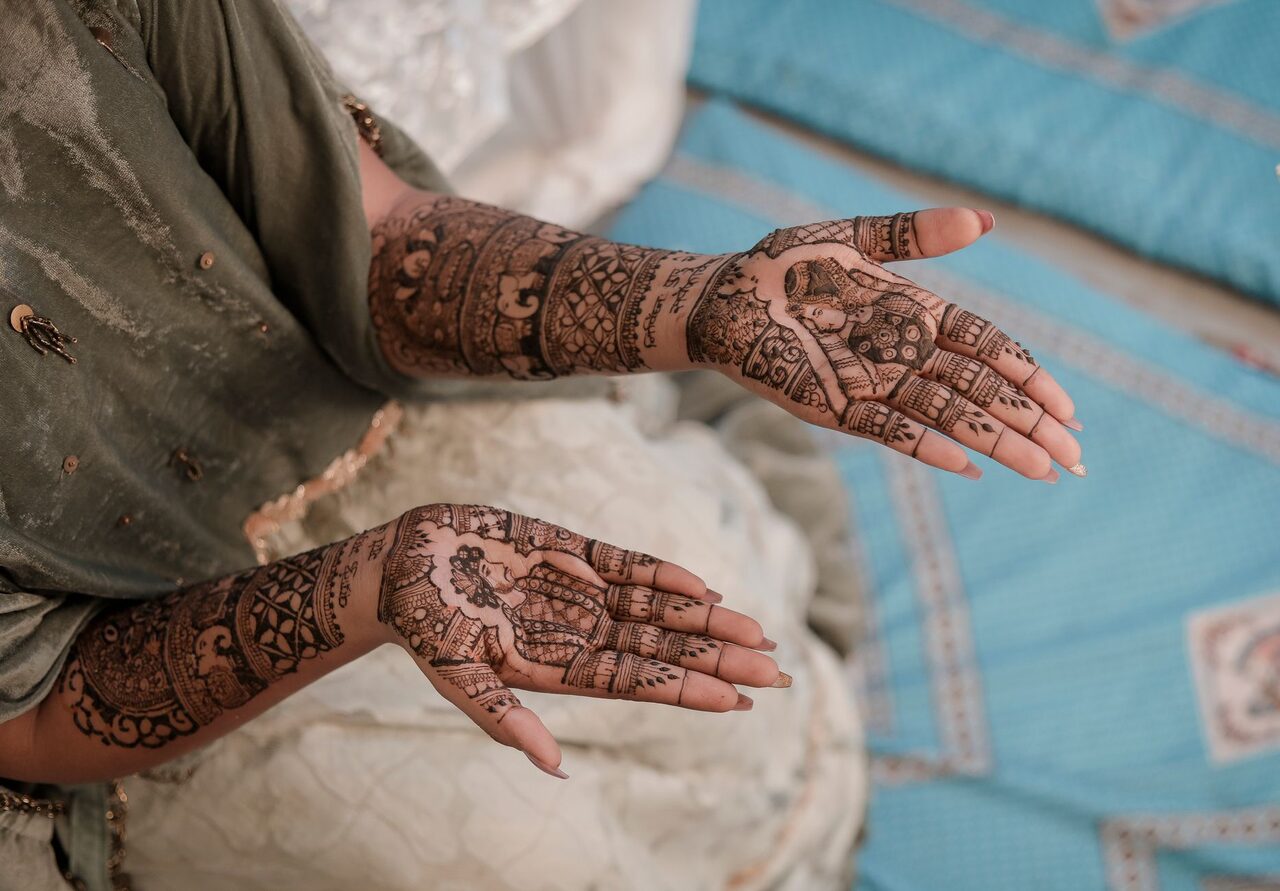
No. Smartraveller, the Australian government's official travel advice site, tells travellers to avoid black henna tattoos because the dye often causes serious skin reactions. That jet-black colour usually comes from para-phenylenediamine (PPD), a hair-dye chemical not meant to be applied directly to skin. The US FDA also warns about the reactions: itching, blisters, loss of skin colour and even permanent scarring. The reaction can appear days later, after you are home. People sensitised to PPD can react to hair dye for the rest of their lives. Real henna is reddish brown, never black, and children are frequent victims because these tattoos are cheap and sold on the sand.
Can you swim and sunbathe after a tattoo?
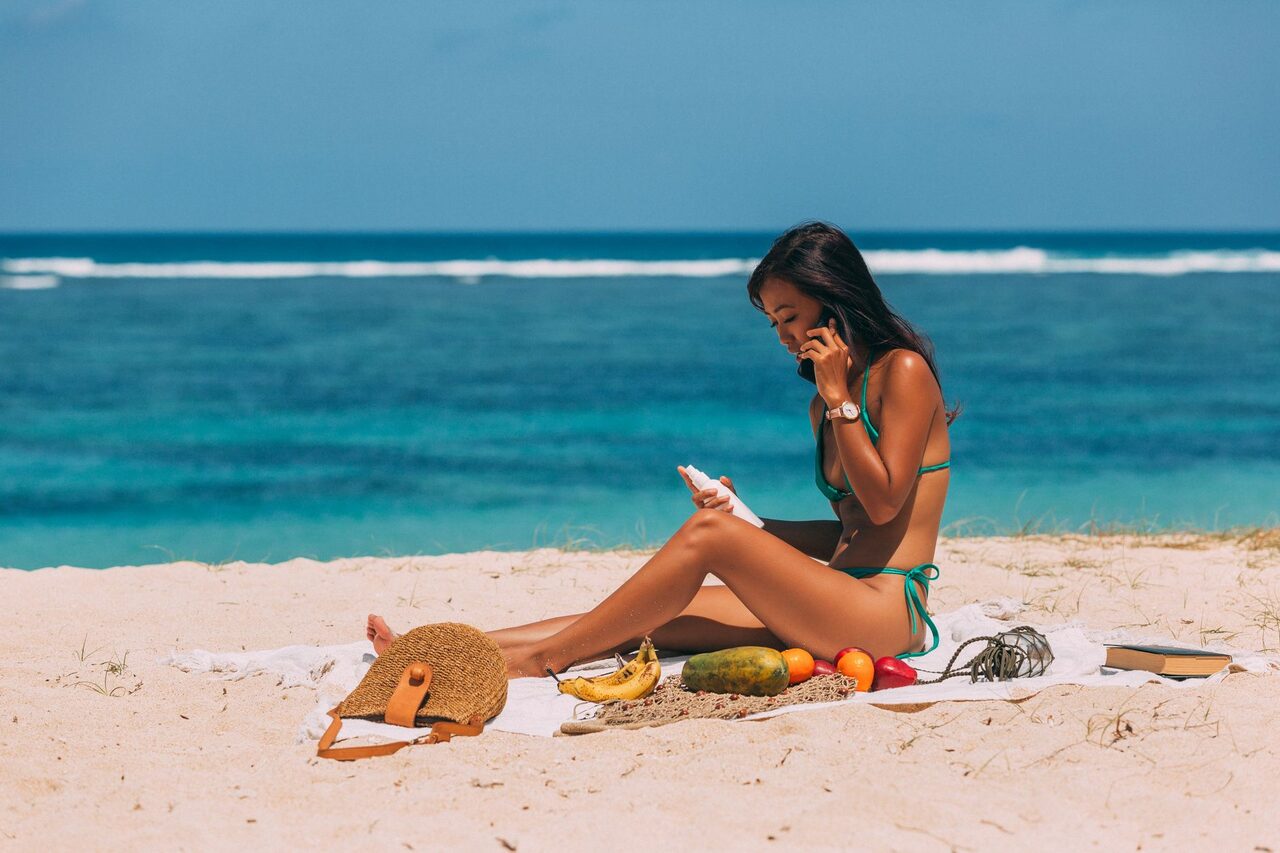
Best not until the skin has healed, typically around 2-4 weeks depending on size. A fresh tattoo is an open wound; sea water, pools and hot tubs carry bacteria. Sun fades ink and irritates the wound, and sunscreen should not go on skin that has not closed. Cover it with loose clothing, and once healed use a high-SPF sunscreen.
So if your trip involves surfing, snorkelling or beach clubs, get tattooed at the end of the holiday, not on day one. Spreading redness, pus or fever are signs of infection; this list of clinics and hospitals in Bali helps if you need a doctor.
How much does a tattoo cost in Bali?
According to 2026 price guides published by several studios in Canggu and Seminyak, the minimum charge per tattoo is usually Rp500,000-1.5 million (about US$30-90), hourly rates run around Rp500,000-1 million, and a small simple design starts at roughly Rp800,000-1 million. Big projects like a full sleeve can pass Rp30 million and need several sessions. These figures come from the studios themselves, so treat them as a range and ask for a written quote before starting (checked September 2026).
Which images should you avoid?
In May 2022 a female tourist went viral after showing off a tattoo of the Hindu deity Ganesha on her thigh. The then head of PHDI Bali, the island's Hindu council, I Nyoman Kenak, said images with sacred and magical elements should not be tattooed on any part of the body, and asked tattoo artists to help educate clients. Activist Ni Luh Djelantik also publicly criticised the tattoo.
A practical rule: avoid Hindu deities, sacred script such as the Ongkara symbol, and sacred talismans, especially on the legs or lower body. Such tattoos can also make temple visits awkward; read temple etiquette in Bali if you plan to go. Experienced Balinese artists will often refuse or suggest another design, which is a good sign of a studio you can trust.
One last tip: photograph the needle packaging and note your artist's name before you start. If a health issue comes up later, your doctor and the studio will have a clear record.

Mga Komento 0
Wala pang komento. Maging una sa pagkomento!