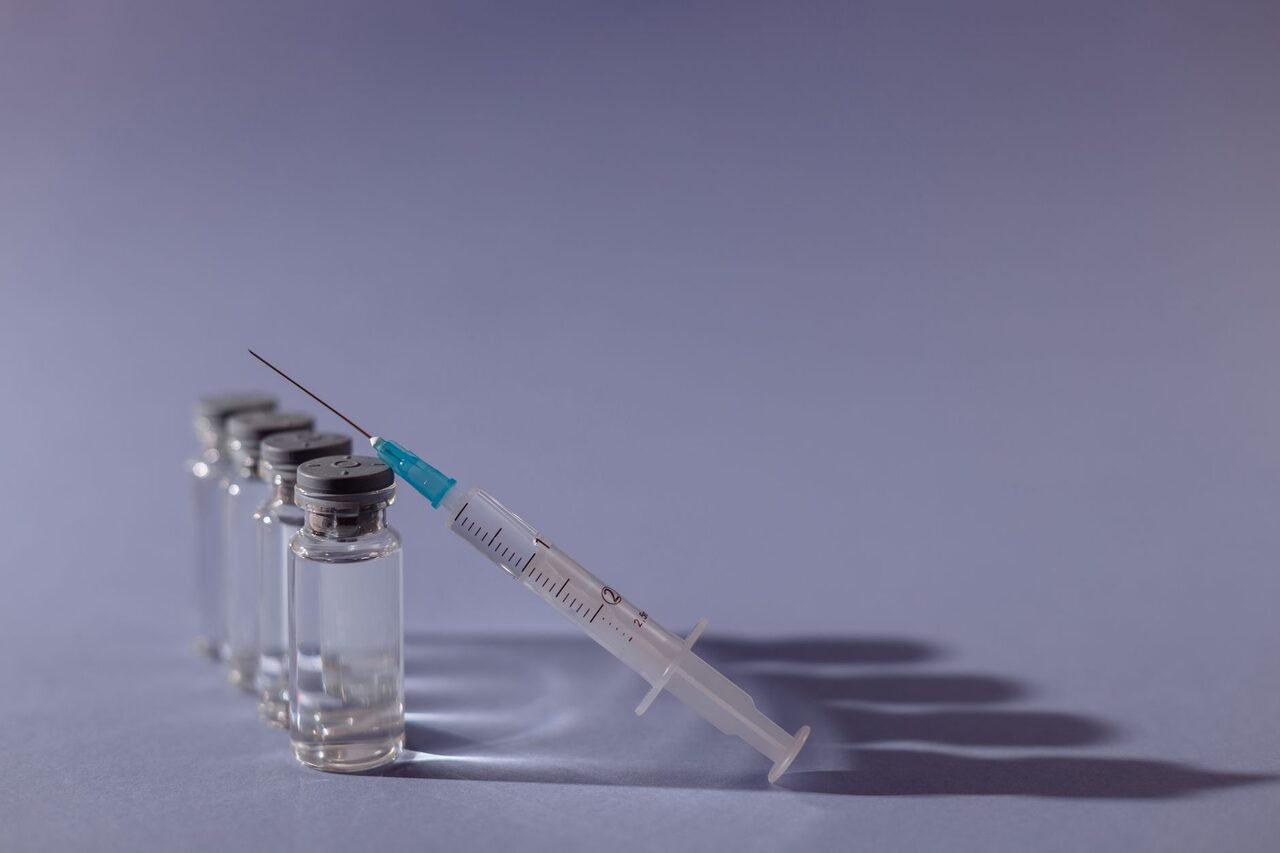
For most travellers, the vaccines recommended before Bali are complete routine vaccinations (including measles and tetanus) plus hepatitis A and typhoid. Everything else depends on how long you stay and what you do. This summary draws on the CDC (United States) Indonesia page and UKHSA's TravelHealthPro (United Kingdom), checked September 2026.
Important: this article is not medical advice. Vaccine decisions depend on age, vaccination history, pregnancy, medication and health conditions. See a doctor or travel clinic, ideally 4 to 6 weeks before departure (as advised by TravelHealthPro and BIMC Hospital Bali). If time is shorter, still go; some vaccines are still worthwhile.
For almost everyone
- Routine vaccines. The CDC asks every traveller to be up to date before every trip: MMR (measles, mumps, rubella), diphtheria-tetanus-pertussis, polio, chickenpox and flu. TravelHealthPro notes measles risk in Indonesia is higher than in the UK. For tetanus, UKHSA recommends a booster if the last dose was over 10 years ago and medical facilities at your destination may be limited.
- Hepatitis A. The CDC recommends it for unvaccinated travellers aged 1 and over; TravelHealthPro for all previously unvaccinated travellers. It spreads through food and water. BIMC advises starting even if departure is close.
- Typhoid. Both the CDC and TravelHealthPro recommend it for "most travellers". The injection should be given at least 2 weeks before departure; the oral version is completed a week before (BIMC). On drinking water, see is tap water in Bali safe to drink.
For some people, depending on your plans
- Hepatitis B. The CDC recommends it for unvaccinated travellers of all ages. UKHSA is more selective: could be considered for all, recommended for long stays, tattoos or piercings, possible medical treatment, or blood contact risk. The full schedule takes time, so start early.
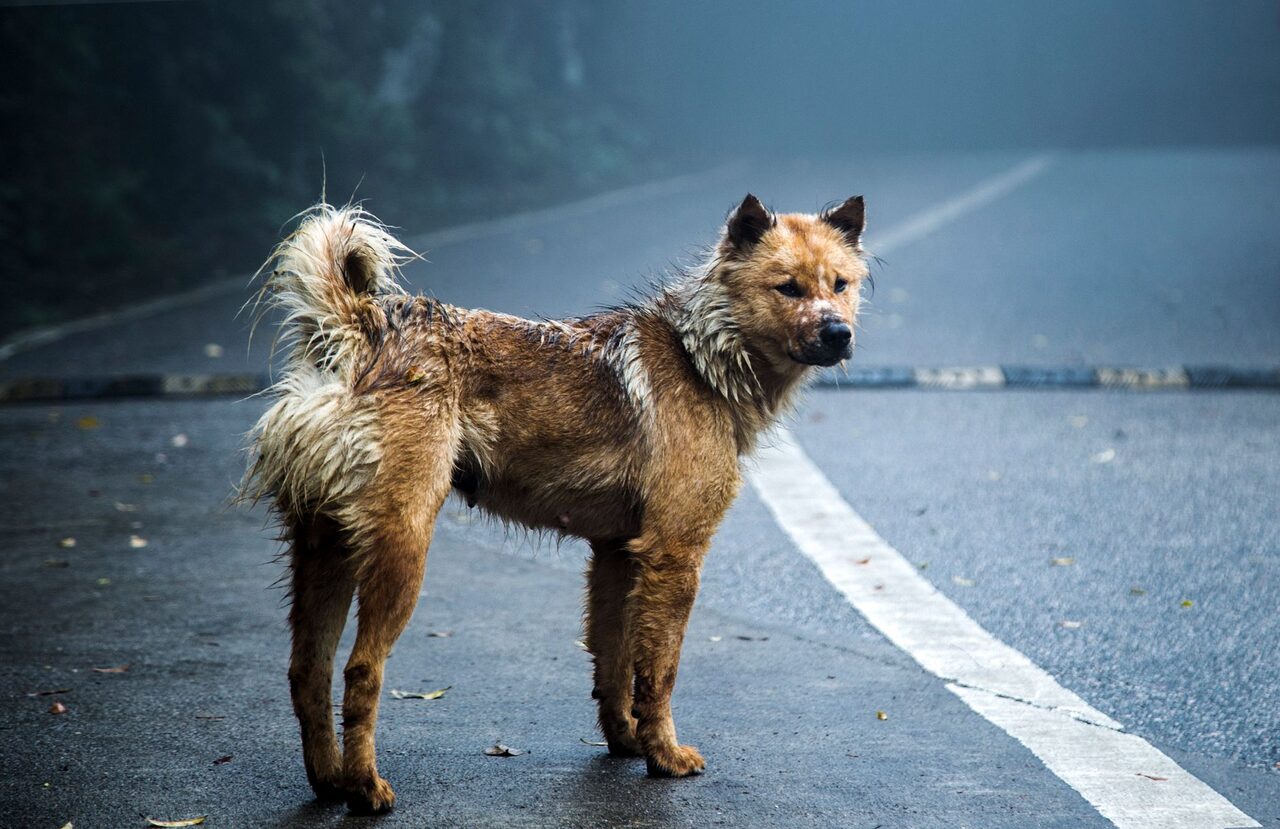
- Rabies pre-exposure. Bali is still dealing with rabies in dogs, and in 2025 parts of Badung (including South Kuta and Nusa Dua) were declared red zones. The CDC suggests considering pre-exposure vaccination if your activities raise the risk (cycling, trekking, long stays, working with animals, children who approach animals) or if post-bite care is hard to reach. WHO and CDC now use a 2-dose schedule (days 0 and 7); some clinics still give 3 doses up to day 21 or 28. Pre-exposure vaccination does not remove the need for shots after a bite, but it simplifies them. What to do if bitten is in bitten by a monkey or dog in Bali.
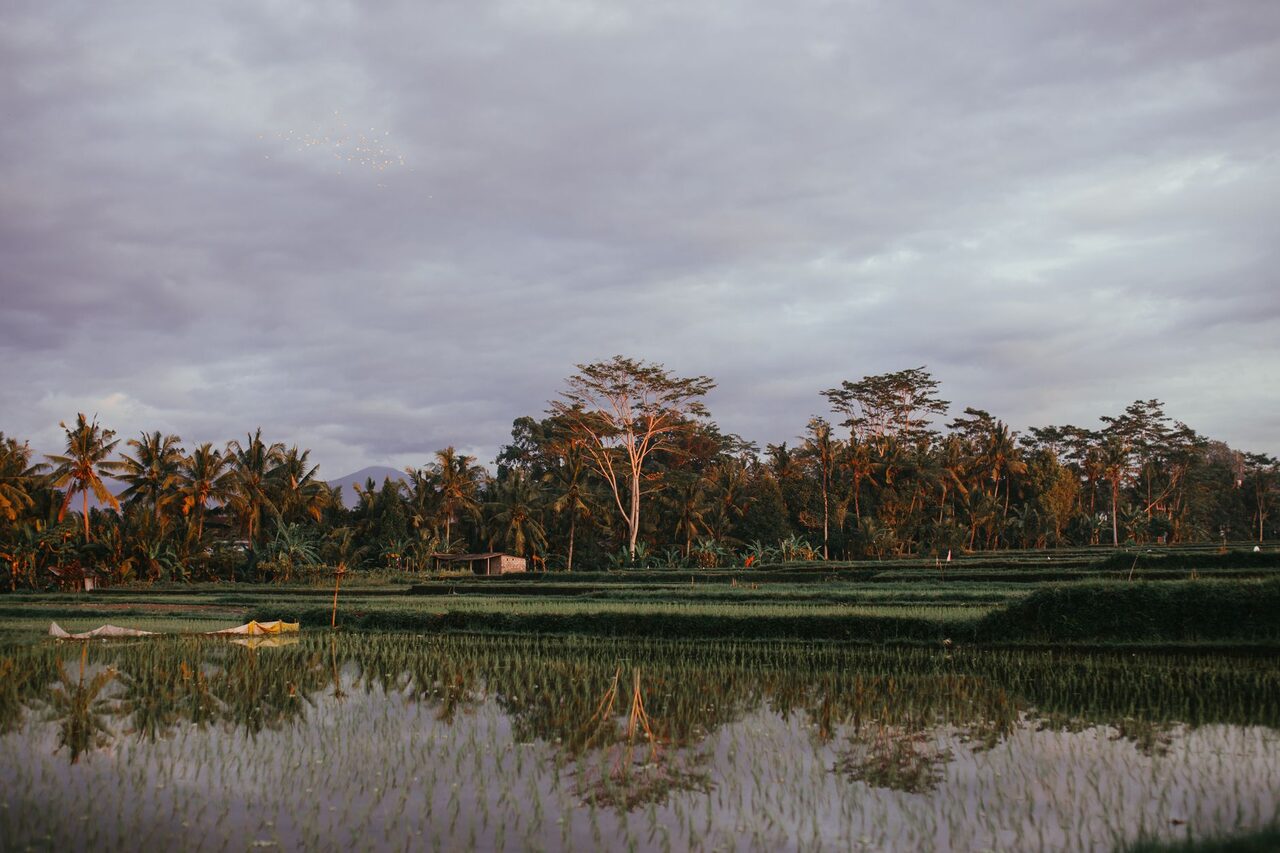
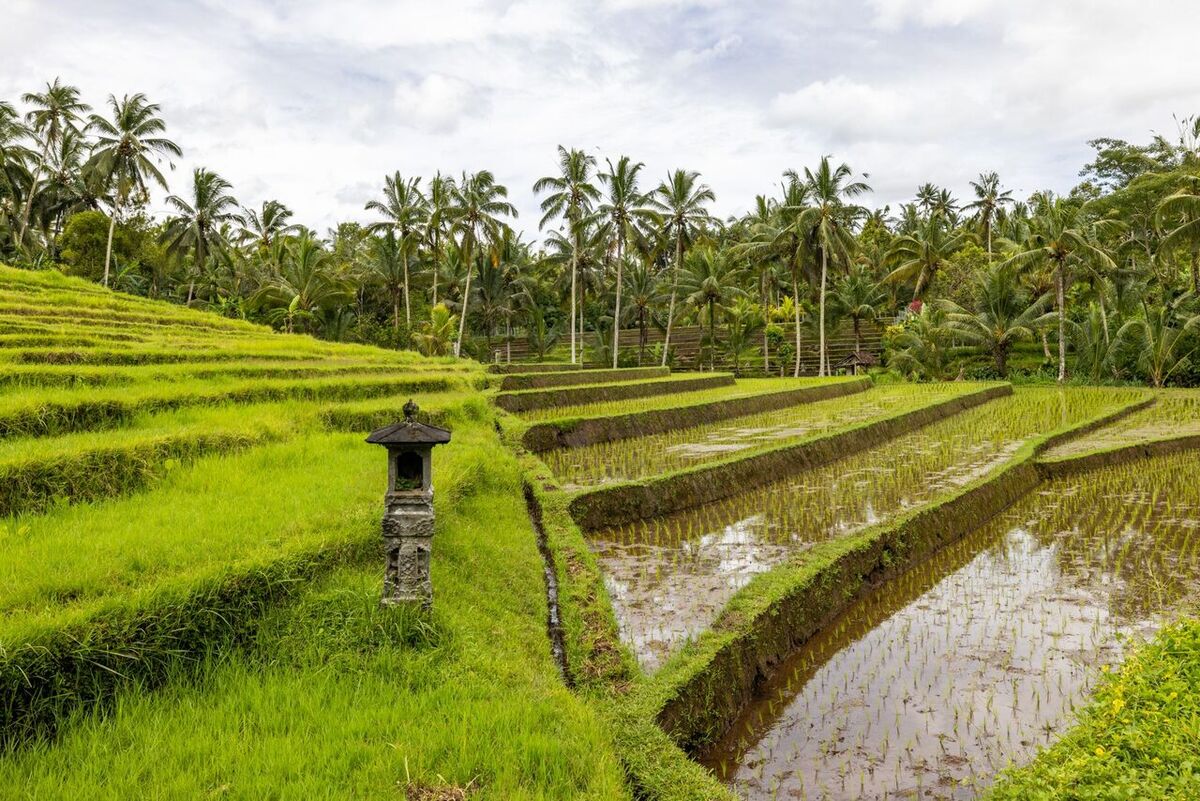
- Japanese encephalitis (JE). The CDC recommends it for people relocating or spending 1 month or more in endemic areas, and suggests considering it for shorter trips with lots of rural time, rice fields or no air conditioning. The mosquitoes that carry it bite from dusk to dawn. BIMC says full vaccination takes 2 to 4 weeks.
- Dengue. Dengue risk in Bali is real, but in the UK the Qdenga vaccine is mainly considered for people aged 4 and over who have had dengue before. Details in dengue in Bali and the dengue vaccine.
Rarely needed
- Yellow fever. There is no yellow fever risk in Indonesia and the CDC does not recommend the vaccine. However, under the International Health Regulations, Indonesia requires a vaccination certificate (ICV) from travellers aged 9 months or over arriving from countries with risk of yellow fever transmission, for example after a long transit through parts of Africa or South America. The certificate is valid for life.
- Chikungunya. The CDC says the vaccine may be considered for long stays (for example 6 months or more); UKHSA for people aged 12 and over during outbreaks or for frequent travellers to risk areas.
- Malaria. Not a vaccine, but often asked: the CDC states Bali's resort areas have no malaria transmission, so preventive tablets are generally not needed for Bali alone. It is a different story if you continue to eastern Indonesia.
- Zika. There is no vaccine. The CDC issued a Level 2 notice for Zika in Bali in August 2026; if you are pregnant or planning a pregnancy, talk to your doctor before booking.
Forgot your vaccines and already in Bali?
Some vaccines are available after arrival. BIMC Hospital, with facilities in Kuta, Nusa Dua and Ubud, offers rabies pre- and post-exposure vaccination and publishes travel vaccine advice for Bali. There are also call-out vaccination services that come to your hotel or villa. As a rough guide, the 2025 price list of one call-out clinic in Badung shows about IDR 575,000 to 1,185,000 per dose (hepatitis A IDR 885,000, rabies IDR 935,000, typhoid IDR 1,185,000). Hospital prices may differ and doctor consultation fees are usually separate, so ask for a breakdown before the injection.
What you cannot catch up on is time: vaccines that need several doses or 2 weeks to build immunity will not fully protect you on a one-week holiday. So book a travel clinic appointment as soon as your ticket is issued, not a week before you fly, and bring your old vaccination record to that consultation.


Comments 0
No comments yet. Be the first to comment!