For most visitors on a one- or two-week holiday, a dengue vaccine is not an entry requirement for Indonesia and is not automatically recommended. Your main protection is still avoiding mosquito bites. If you do want the vaccine, decide with your doctor at least three months before you fly, because the vaccine available is given as two doses three months apart. Data and recommendations below were checked in September 2026.
How common is dengue in Bali?
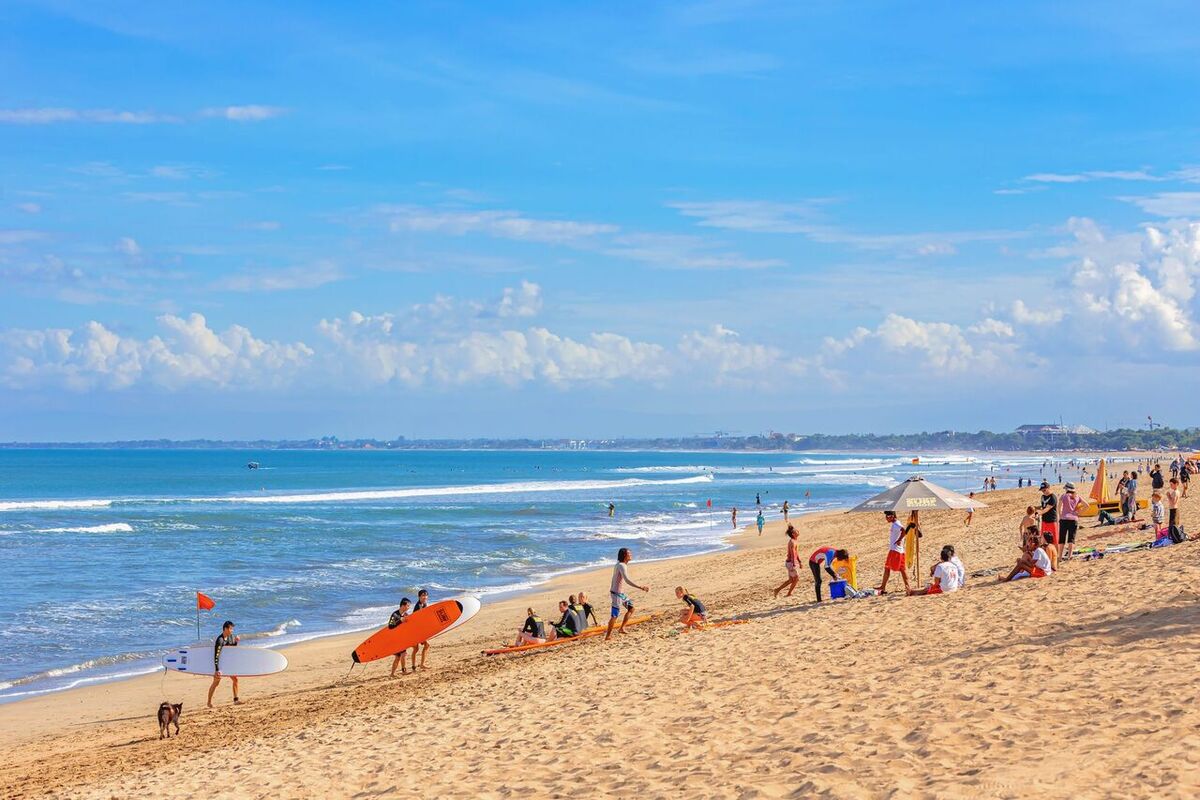
The Bali Provincial Health Office recorded 15,570 cases of dengue haemorrhagic fever (DBD) in 2024. This year is far lower: 1,167 cases and 2 deaths up to mid-May 2026 (detikBali, 26 May 2026), with Gianyar (285) and Badung (232) the highest. Health Office figures quoted by local media in August 2026 put January to July 2026 at 1,588 cases, about 82% down from 9,116 in the same period of 2025. Lower does not mean gone: dengue is present year-round in Bali, and Badung and Gianyar are the regencies that contain Kuta, Seminyak, Canggu and Ubud.
When is the risk highest?
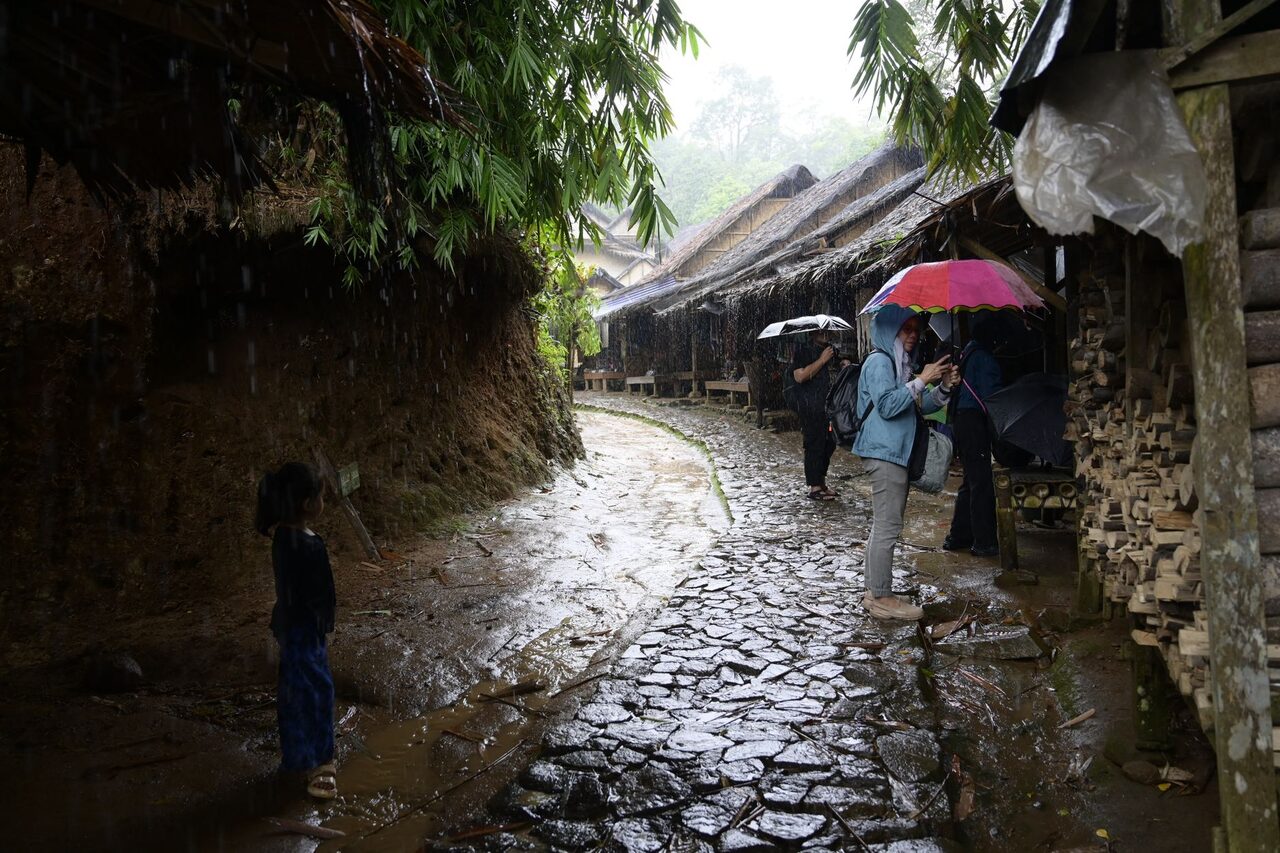
In the rainy season, roughly November to April, when standing water gives Aedes aegypti mosquitoes places to breed. This mosquito bites mainly in the morning and late afternoon, not at night, so a bed net alone is not enough. Ornamental ponds, plant pots and old tyres around villas are common breeding spots.
Which vaccine is available in Indonesia?
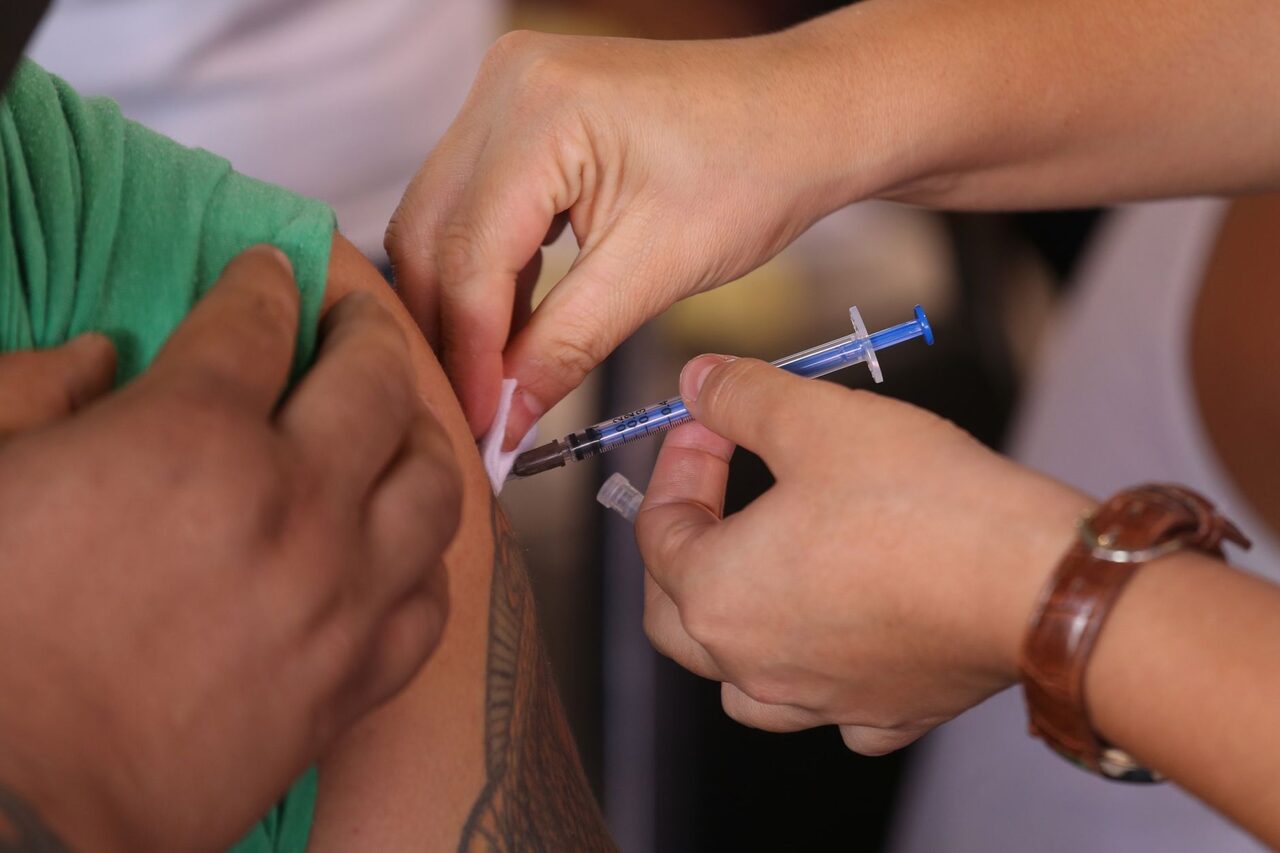
Qdenga (TAK-003, made by Takeda) was approved by Indonesia's drug regulator BPOM on 19 August 2022 for ages 6-45. It is given as 2 doses 3 months apart, injected in the upper arm. In Indonesia it can be given without testing for past infection. Prices at private clinics and hospitals run around IDR 700,000-950,000 per dose according to price lists published by clinics and the media in 2026, with the doctor's fee extra at some places. Vaccine clinics and large private hospitals in Denpasar and Kuta offer it, but stock can run out, so phone ahead.
One point people often miss: getting vaccinated after you land in Bali does little for a short holiday, because the second dose is due three months later. The vaccine makes more sense for long stays, frequent trips to dengue areas or people who have had dengue before.
What do health agencies in travellers' home countries say?
- US CDC: Qdenga is not available or recommended in the United States; for travel to Indonesia the advice is to prevent mosquito bites, including a repellent with 20% or more DEET.
- Canada's CATMAT (May 2025): recommends against vaccination for most travellers; Qdenga may be considered only for those with a laboratory-confirmed previous dengue infection.
- WHO (SAGE) recommends Qdenga for children aged 6-16 in high-burden settings, a programme for residents rather than tourists.
Because advice differs by country, take the question to a doctor or travel clinic at home.
How do I avoid mosquito bites?
- Use a repellent with DEET (20% or more), picaridin, IR3535 or oil of lemon eucalyptus. Reapply after swimming or sweating, and put sunscreen on first, repellent second.
- Wear light long sleeves and trousers in the morning and around dusk, especially in green areas such as Ubud.
- Choose rooms with air conditioning or screened windows; close open-air villa bathrooms in the late afternoon.
- Local repellents such as Soffell and Autan are sold in every minimart.
The same precautions protect against Zika. On 7 August 2026 the CDC issued a Level 2 notice for Bali after Zika cases were reported in travellers returning from the island, and advised pregnant women to avoid travel to Bali. The Bali Health Office said in late August 2026 that its surveillance had not recorded any confirmed local Zika cases.
Which symptoms should I watch for?
Dengue usually starts 4-10 days after the bite: sudden high fever with headache, pain behind the eyes, muscle and joint pain, nausea or a rash. The dangerous phase often comes just as the fever drops. Go to an emergency department straight away if you have severe abdominal pain, persistent vomiting, bleeding gums or nose, blood in vomit or stool, extreme tiredness or restlessness. For fever, use paracetamol; the CDC advises avoiding aspirin and ibuprofen until dengue is ruled out because they raise the risk of bleeding. Blood tests (NS1 and platelet count) are available at clinics and hospitals across Bali.
Hospitals, 24-hour clinics and emergency numbers are listed in our Bali health and emergency guide. This article is not a substitute for medical advice; if you are pregnant, have a chronic condition or have had dengue before, discuss your trip with a doctor.
Check your travel insurance policy before you leave, too. A dengue admission at a private hospital in Bali can last several days while platelets are monitored, and not every budget policy covers it in full.



Comments 0
No comments yet. Be the first to comment!