Jumpai Beach is in Jumpai village, Klungkung district, about 2-3 km east of Klotok Beach, reached from the Ida Bagus Mantra bypass. No official ticket is recorded. What separates it from its neighbours Klotok and Lepang is not the sand (all three are black) but who goes there and why. This comparison was checked in September 2026.
Jumpai: a small surf spot run by the village
Jumpai's waves are known among Japanese surfers. According to a September 2024 Denpost report, surf visits stopped during the pandemic and came back after a local man, I Wayan Widya, opened a coffee stall on the beach. The surf point is managed by the village enterprise BUMDes Jumpai, and the village set aside Rp112.2 million from its 2024 budget for a 15-metre sea wall against erosion.
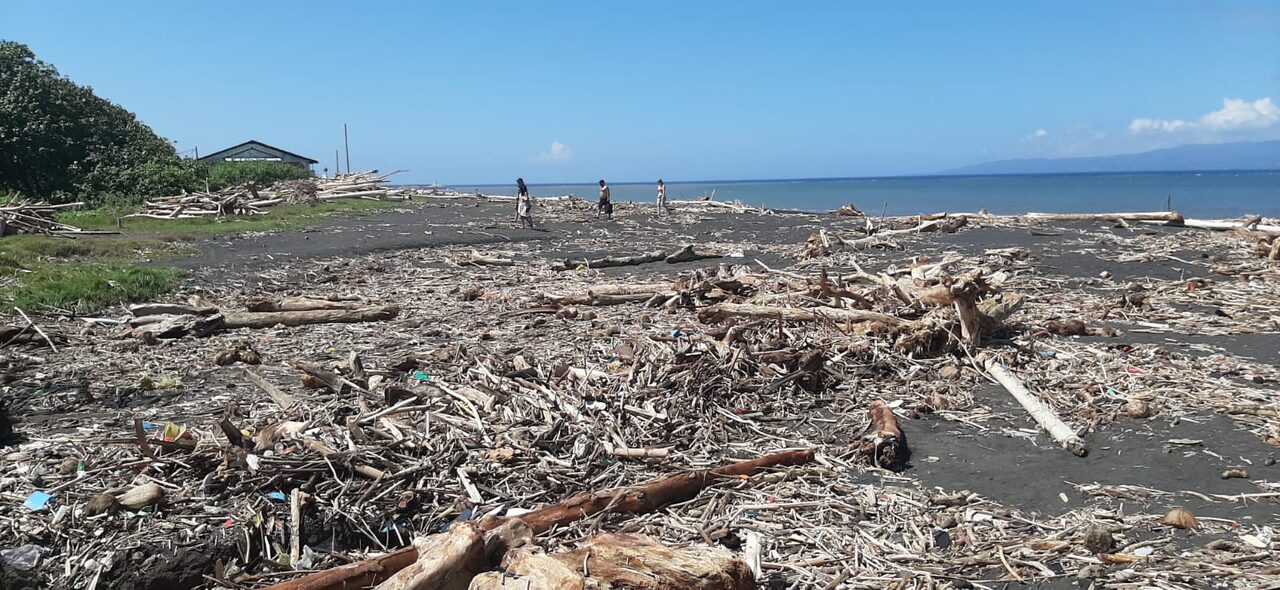
The upside: it is calm, there is no row of beach clubs, and local guides sometimes bring guests who want an uncrowded wave. The downsides are real too. Facilities are very limited, so bring water and snacks. After heavy rain the rivers wash wood and plastic onto the beach; NusaBali reported Jumpai being hit by washed-up rubbish in July 2023. Villagers also use the beach for ceremonies, including cremations, so keep your distance if a procession is under way.
Klotok: a ceremonial beach with heavy surf
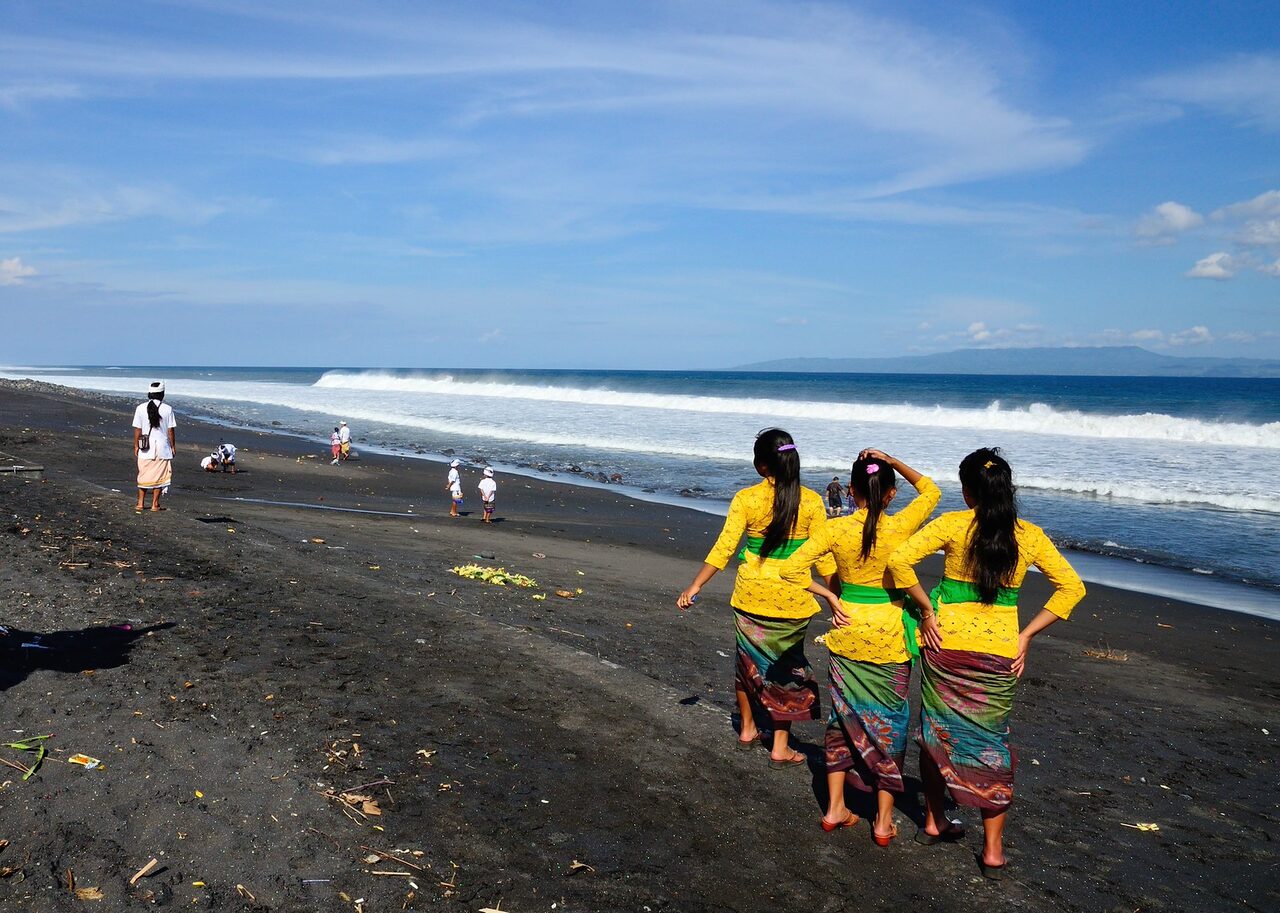
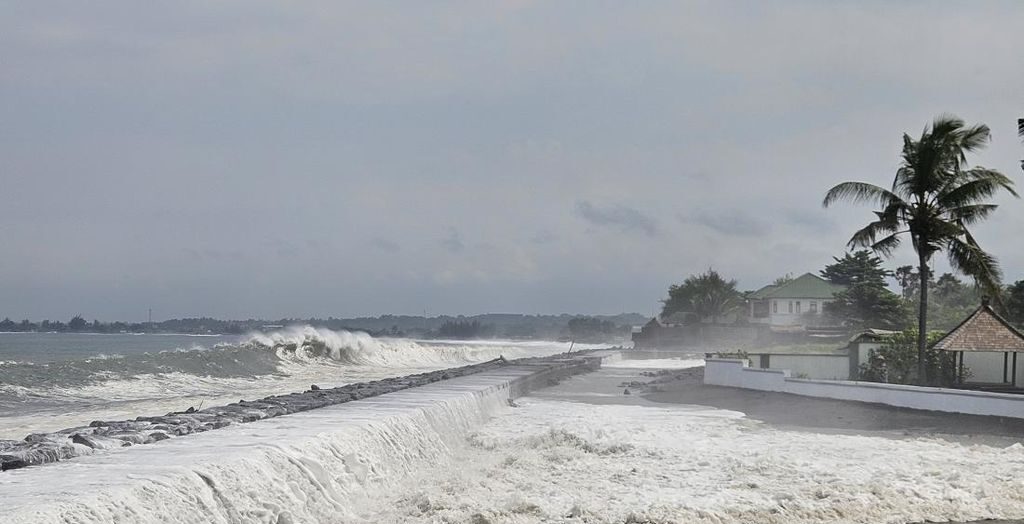
Klotok Beach (Watu Klotok) in Tojan village is best known for Pura Watu Klotok and the huge melasti processions before Nyepi, when thousands of worshippers fill the shore. Outside ceremony days it feels open and is easy to reach. The waves are heavy and the current strong, so it is a place to look and photograph, not to swim. On melasti and temple-festival days parking fills up and the road jams.
Lepang: rice fields that run into the sea
Lepang Beach in Takmung village, Banjarangkan, lies west of Klotok. The draw is rice-field dykes that end on black sand, a view you rarely get on south Bali beaches. It is good for a morning walk and paddy photos, but access is along narrow village lanes, and like Klotok the sea is not friendly for swimming.
Quick comparison
- Quietest: Jumpai and Lepang on normal days; Klotok gets busy during ceremonies.
- For surfing: Jumpai, with a guide or if you are used to open beach breaks.
- For culture: Klotok, especially before Nyepi (check the village melasti schedule).
- For rice field and sea in one frame: Lepang.
- Facilities: minimal at all three; Jumpai relies on the villagers' coffee stall.
- Swimming: none is safe for small children; all three face open sea.
Getting there and best time
- Jumpai location: View on Google Maps. From Sanur it takes about 40-60 minutes via the Ida Bagus Mantra bypass, depending on traffic.
- Cost: no official ticket recorded; keep small cash for parking.
- Best hours: 06.00-08.00, for sunrise, the outline of Nusa Penida across the strait and sand that is not yet hot.
- Season: the dry season (April-October) brings less washed-up rubbish; after heavy rain, check conditions first.
- Recent photos: search on Instagram before you set off.
Because the three beaches are only a few kilometres apart, one morning covers two of them, say Lepang then Klotok, or Klotok then Jumpai. If you want to sleep near this eastern route for a pre-dawn start, AccessiaPass hotel vouchers in the Sanur or Klungkung area are a sensible base.
Verdict
Pick Jumpai if you are bringing a surfboard or just want to sit quietly with a coffee away from tour groups. Pick Klotok if this is your first time on the Klungkung coast and you want to see a beach alive with ceremony. Lepang is worth adding as a morning extra. If you only have time for one and do not surf, Klotok is the safest bet because it is the easiest to reach.

Commentaires 0
Aucun commentaire pour l'instant. Soyez le premier à commenter !