Most visitors cross North Badung without noticing. They take the Denpasar–Bedugul or Denpasar–Kintamani road, see mist hanging in the distance, and keep driving. Yet Petang district — with Pelaga village and the area locals call Plaga — is a green highland sitting at roughly 700–900 m above sea level, only about 45 km from Denpasar, and almost entirely free of Ubud-style crowds.
The area gets skipped because it has no single icon the size of Tanah Lot. What it offers instead is a combination: a giant bridge over a ravine, a 50-metre waterfall, highland vegetable and coffee gardens, and two spiritual sites at its southern gateway. All of it fits into one day.
A One-Day Route from Ubud, Canggu, or Seminyak
- From Ubud: about 1–1.5 hours to Petang via Sangeh or Payangan.
- From Canggu or Seminyak: about 1.5–2 hours via Mengwi, Abiansemal, and Sangeh.
- A sensible order: 07:30 Taman Beji Griya Punggul, 09:30 Sangeh Monkey Forest, 11:00 Nungnung Waterfall, 13:00 Tukad Bangkung Bridge, 14:00 lunch at Bagus Agro Pelaga, then descend before dark.
The Area's Icons: Tukad Bangkung, Nungnung, and Bagus Agro Pelaga
- Tukad Bangkung Bridge, Pelaga — one of the tallest bridges in Bali and often cited among the tallest in Southeast Asia, with piers around 71 metres high and a span of roughly 360 metres across the ravine. Free, with no ticket booth. Come early while mist still fills the valley for the best photos, park at the end of the bridge, and stay alert because this is a working public road. Maps
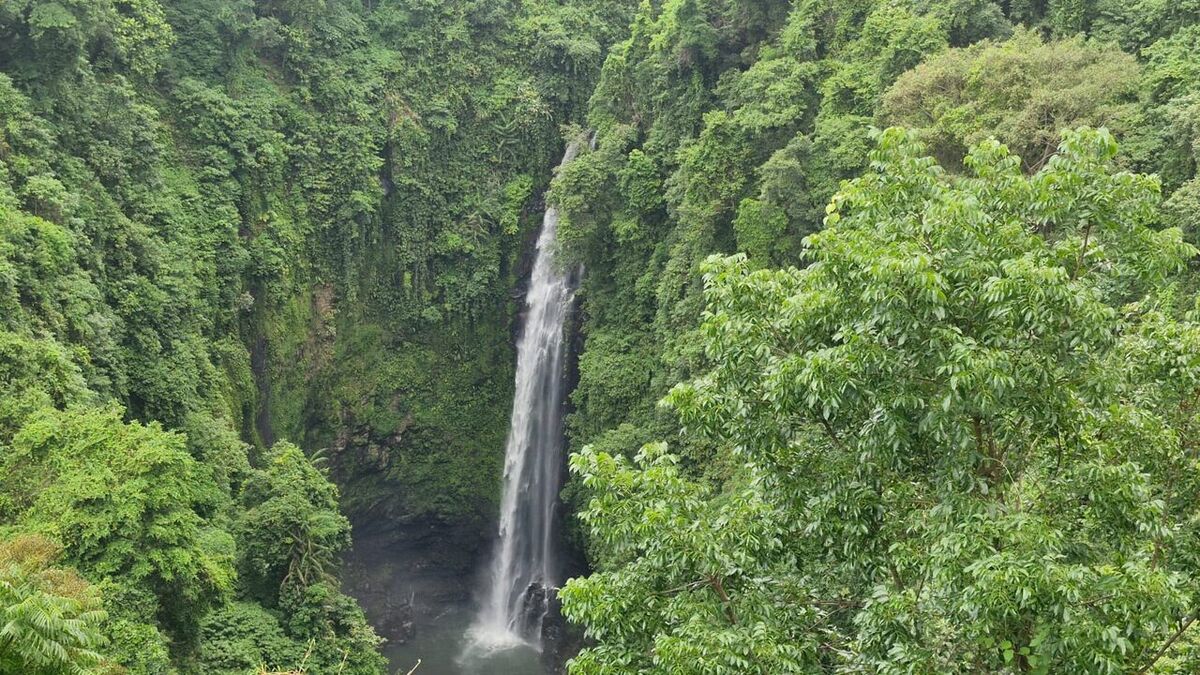
- Nungnung Waterfall — a roughly 50-metre waterfall in Nungnung hamlet, Pelaga village. Reaching it means descending around 500 steps, and of course climbing back up. Tickets are about IDR 15,000 for domestic visitors and IDR 30,000 for foreign visitors after the early-2026 adjustment. Open morning to late afternoon; the steps get slippery after rain, so wear shoes with grip. Maps
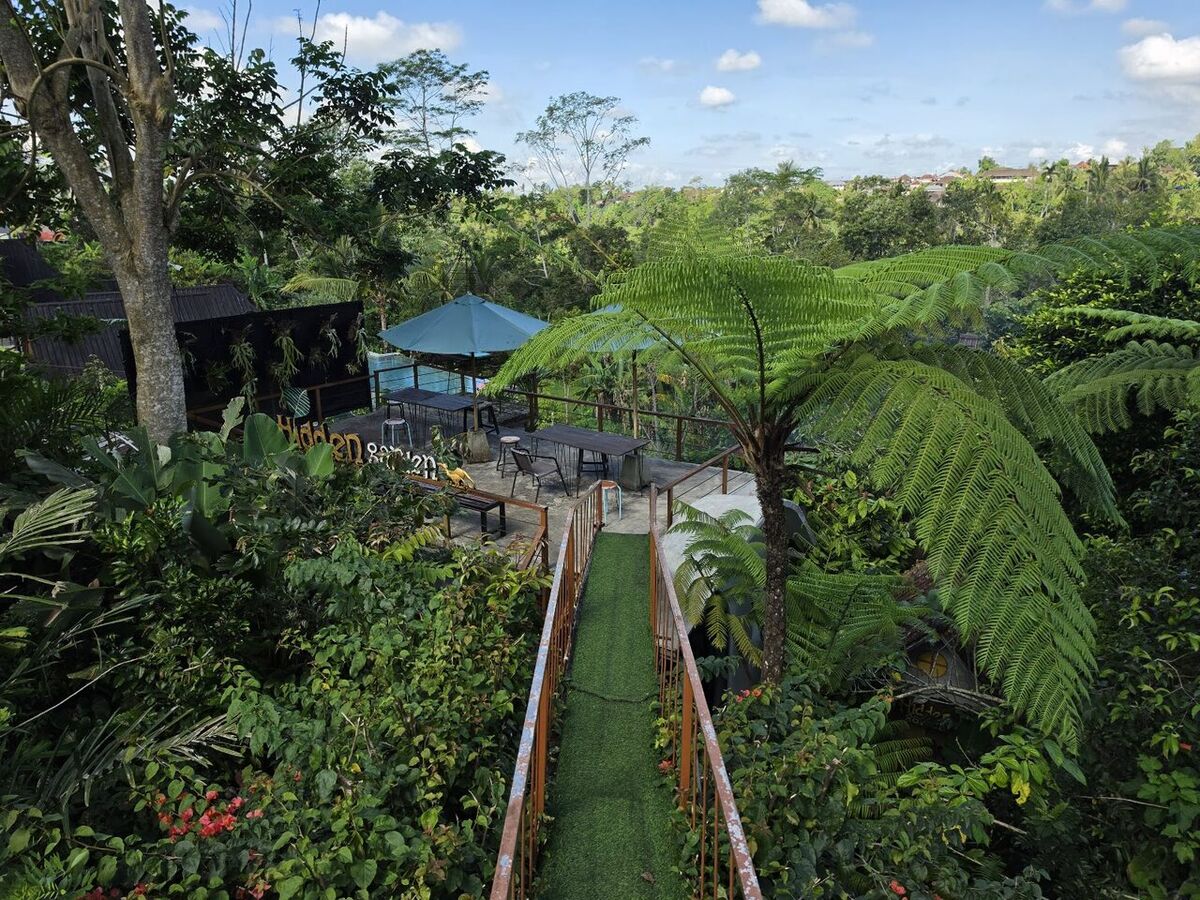
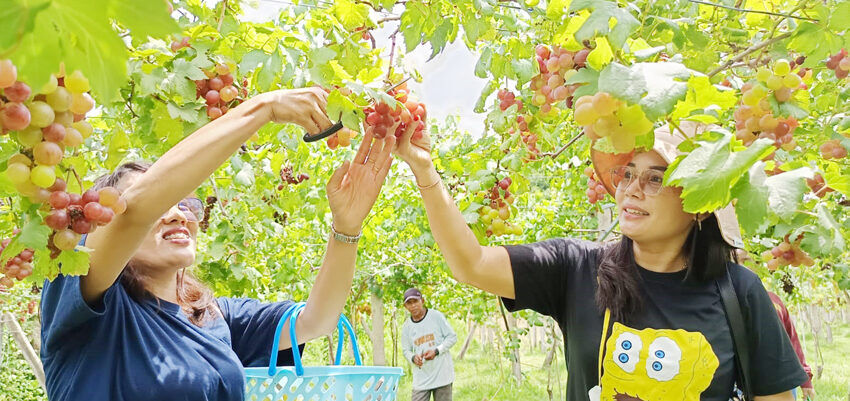
- Bagus Agro Pelaga — an agrotourism estate and lodge at around 900 m above sea level with vegetable, fruit, and coffee gardens. Entry is about IDR 30,000 per person and usually includes a welcome drink. There is a restaurant overlooking the gardens, farm tours, and bicycle rental. It is the most comfortable lunch option in the area. Maps
The Southern Gateway: Sangeh and Taman Beji Griya Punggul
- Sangeh Monkey Forest — an old nutmeg forest with a colony of long-tailed macaques and Pura Bukit Sari, a 17th-century temple, standing at its centre. Tickets run about IDR 15,000 for domestic visitors and roughly IDR 50,000–75,000 for foreign visitors; open morning to late afternoon. Keep glasses, hats, and water bottles inside a closed bag, and follow local customary rules around the temple. Maps
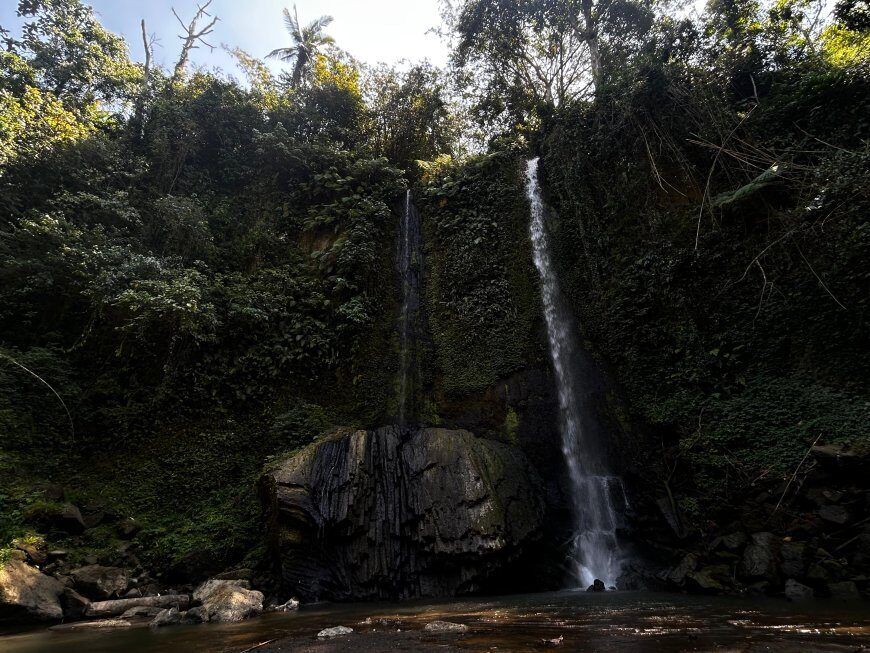
- Taman Beji Griya Waterfall, Punggul, Abiansemal — the most popular melukat or spiritual cleansing site in Badung, set in a shaded, cool river valley. It generally opens around 09:00–18:00. Entry is inexpensive, while full melukat packages with a guide and ritual supplies are charged separately, so ask at the counter first. Arrive early for shorter queues, and remember this is a place of worship, not a photo backdrop. Maps
Pelaga and Petang Villages: Coffee, Vegetables, and Cycling Routes
The best part of this region is not a single spot but the journey itself. Pelaga sits at roughly 700–800 m above sea level and lives off highland farming: vegetables, asparagus, strawberries, citrus, and coffee. Several hamlets run village ecotourism programmes and simple coffee-garden tours complete with hand-brewed cups.
- Cycling and gentle downhill routes pass through subak irrigation terraces, gardens, and forest. Some village operators offer electric bicycles for short tours.
- Village and farm tour prices are usually negotiated on the spot. Bring cash, since mobile signal and card machines are limited. Maps
Transport and Preparation
- A car with a driver is the safest option. The roads climb, twist, narrow in places, and often fog over by late afternoon. Daily rates in Bali generally run IDR 600,000–900,000 including driver and fuel.
- Renting a scooter at around IDR 70,000–150,000 per day is fun, but only for riders genuinely used to steep climbs and sudden rain. Bring a rain poncho.
- Pack a light jacket. Temperatures here run well below the coastal areas, especially in the morning and after rain.
- Signal and cash. Mobile coverage is patchy in the valleys, so download offline maps and carry cash for tickets, parking, and warungs.
Where to Stay?
- Ubud — the widest and most balanced choice, about an hour from Petang, with restaurants and spas to fill the evening.
- Sangeh or Abiansemal — quieter and cheaper villas and guesthouses, right at the southern gateway to the region.
- An agro-stay in Pelaga — sleeping in the highlands themselves. Options are limited and nights get cold, but waking to mist over vegetable gardens is an experience of its own.
North Badung is cheap to explore but expensive if you pick the wrong place to sleep. Compare room prices in Ubud, Sangeh, and Pelaga through AccessiaPass hotel vouchers before you book — the difference on a single night is often enough to cover a full day of car and driver in the highlands.



Commentaires 0
Aucun commentaire pour l'instant. Soyez le premier à commenter !