Bali has a reputation for getting expensive, yet many of its best experiences are not guarded by a ticket booth. This list covers 15 real places that, as of mid-2026, charge no official entry ticket. One honest note up front: almost all of them still involve a small parking fee or a voluntary donation, so free here means no ticket counter, not zero rupiah.
Ubud and central Bali (1–4)
- 1. Campuhan Ridge Walk, Ubud. A grassy ridge trail of about 2 km, best between 06:00 and 08:00 before the heat. No ticket; parking is around Rp2,000 for a motorbike and Rp5,000 for a car, or simply walk 10 minutes from Ubud Palace. See on Google Maps
- 2. Puri Saren Agung (Ubud Palace). The front courtyard of Ubud’s royal palace is open free of charge during the day, generally around 08:00–17:00. Only the evening dance performances are ticketed, at roughly Rp100,000 per person.
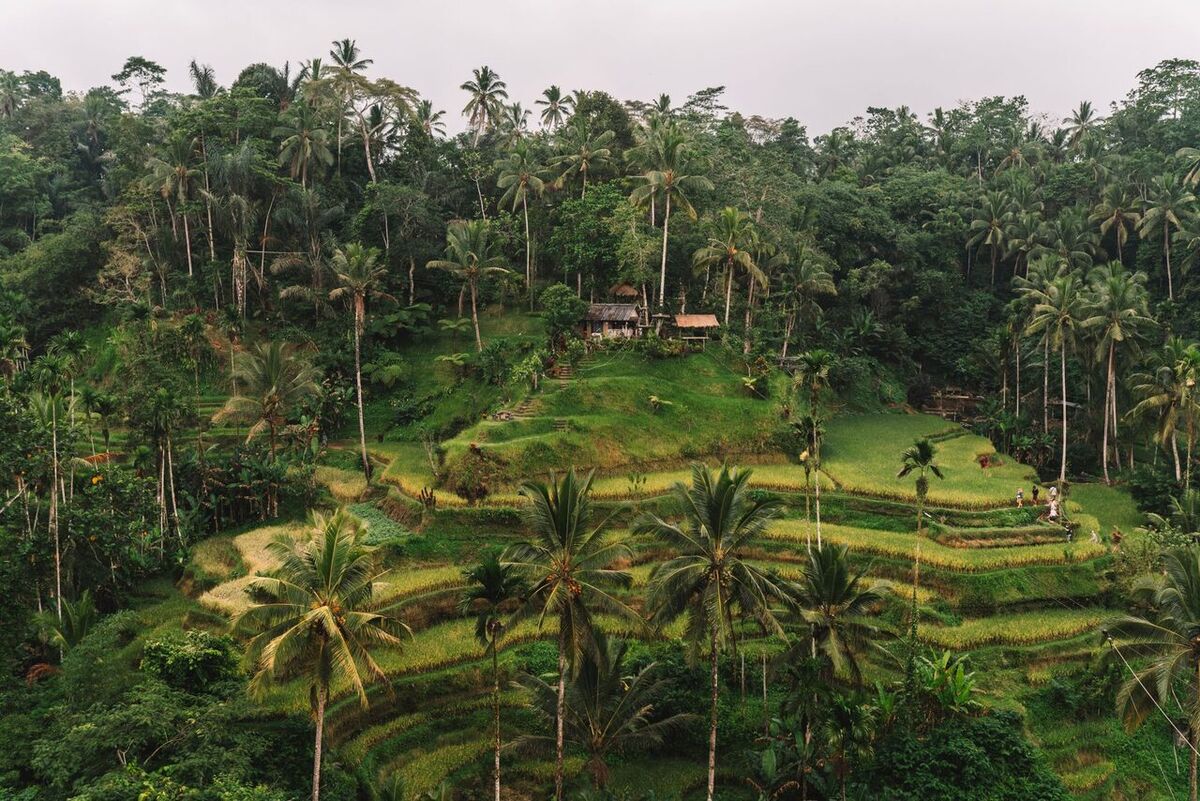
- 3. Bukit Demulih, Bangli. A lookout hill in Demulih village, about 15 minutes from Bangli town, with rice fields stretching to the southern sea on clear days. No booth, just parking and a voluntary donation to the village.
- 4. Tukad Bangkung Bridge, Pelaga, Badung. One of Indonesia’s tallest bridges, spanning a green ravine on the road to Petang. Stop briefly at the end of the bridge, take your photo, and drive on; entirely free.
Beaches with no gate in Canggu, Pererenan and Sanur (5–9)
Almost every public beach in Bali sells no entry ticket. All you need is parking money and patience finding a space at sunset.
- 5. Batu Bolong Beach, Canggu. Beginner-friendly waves, a small temple on the rocks, and Canggu’s busiest sunset. Parking about Rp2,000–5,000 for bikes, Rp5,000–10,000 for cars. See on Google Maps
- 6. Berawa Beach, Canggu. A wide stretch of black sand backed by beach clubs, though walking the sand itself remains free.
- 7. Pererenan Beach. Canggu’s roomier neighbour, ideal for an evening stroll and watching surfers without the crush.
- 8. Seseh Beach, Mengwi. A few minutes from Pererenan, far quieter, and often used for ceremonies. Come respectfully and never interrupt a procession.
- 9. The Sanur beachfront promenade. A walking and cycling path running several kilometres from Matahari Terbit Beach to Mertasari. Free all day, and best at sunrise around 06:00.
South and west: cliffs, fish markets, quiet sand (10–12)
- 10. Jimbaran Beach and Kedonganan Fish Market. Watching the morning fish auction and walking the beach costs nothing; you only pay if you buy fish or sit down at a seafront restaurant. Arrive before 08:00 for the liveliest scene.
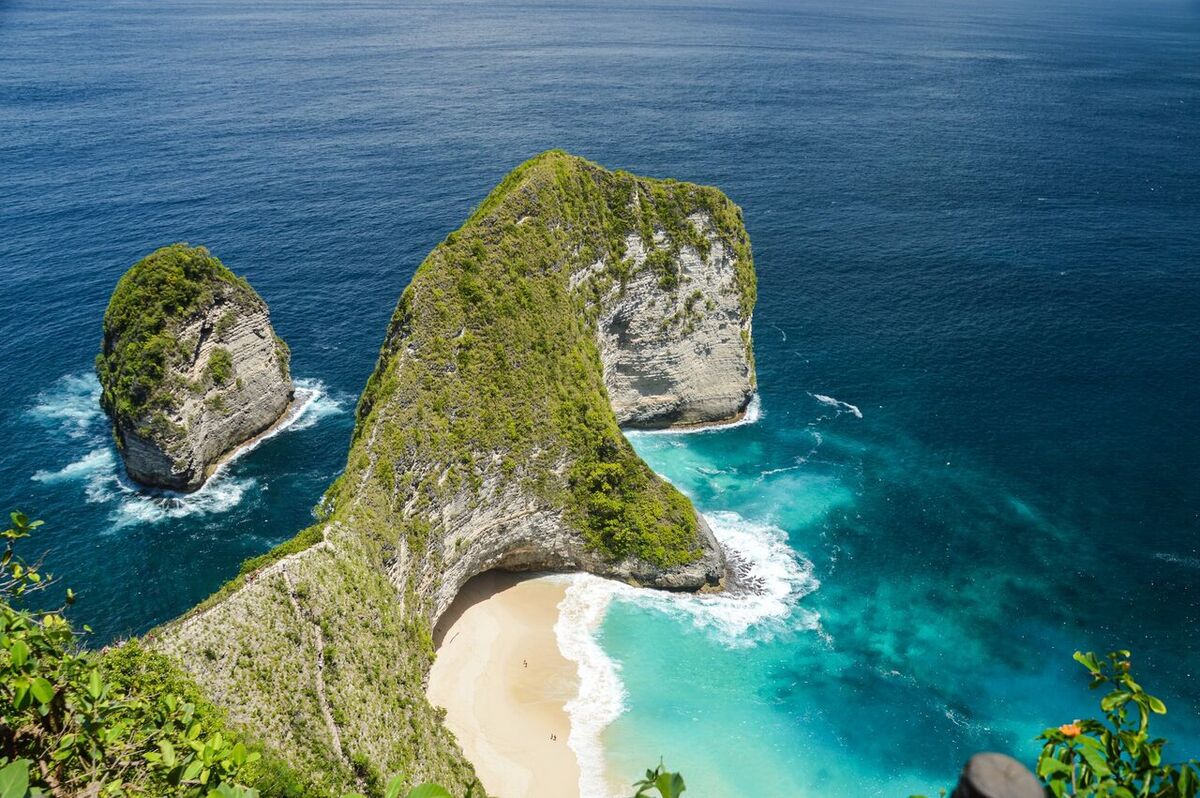
- 11. Karang Boma Cliff, Pecatu. A dramatic clifftop near Uluwatu overlooking the southern coastline. Usually there is no official booth, though locals sometimes collect parking of about Rp5,000–20,000. The path is rocky and unfenced, so stay well back from the edge.
- 12. Pasut and Yeh Gangga beaches, Tabanan. Two broad black-sand beaches backed by rice fields, often empty on weekdays. No tickets, only parking and simple warungs.
North, east and city (13–15)
- 13. Buyan and Tamblingan lake viewpoints, Wanagiri. From the shoulder of the Bedugul–Singaraja road the twin lakes are free to admire. What costs money are the swings and tree houses along the roadside, usually from about Rp50,000, so simply stop at the public viewpoint.
- 14. Bukit Putung, Karangasem. A ridge on the Sidemen–Manggis road with valley views out to the Lombok Strait. Park on the roadside or order a coffee at a local warung.
- 15. Pasar Badung in Denpasar and Pasar Sindhu in Sanur. Entering the markets is free. Pasar Badung buzzes from dawn with fruit, canang flowers and spices; Pasar Sindhu is smaller and great for a local breakfast. Bargain politely and bring small notes.
Ticket-free bonuses: the outer grounds of the Bajra Sandhi Monument on Renon’s Puputan Square (the museum inside is ticketed) and Bunut Bolong in Jembrana, a paved road that passes through a hole in a giant tree.
Costs you still have to budget for
- Parking: roughly Rp2,000–5,000 for a motorbike and Rp5,000–10,000 for a car at almost every stop.
- Sarong, sash and temple donation: around Rp5,000–20,000; carrying your own sarong saves repeated rental fees.
- Transport: scooter rental around Rp70,000–100,000 per day plus fuel, or a car with driver from about Rp600,000 per day. This is usually your biggest daily cost after the room.
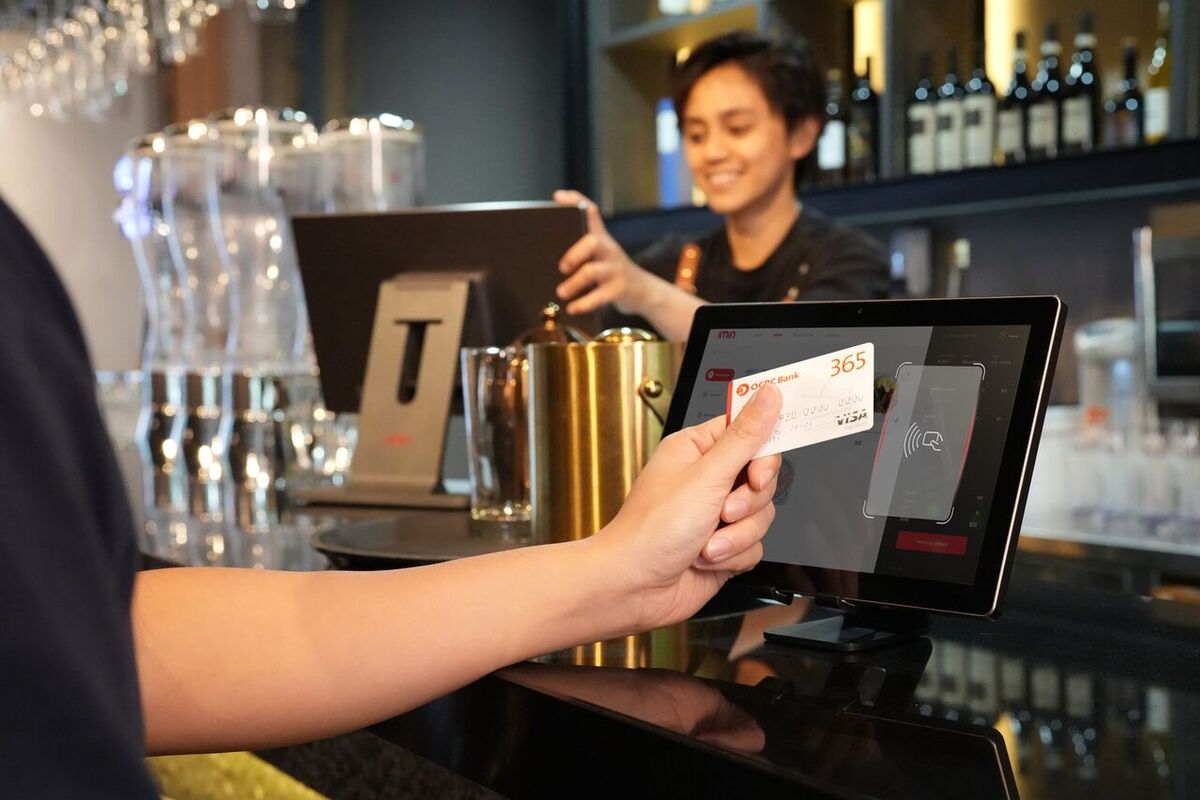
- Foreign tourist levy: Rp150,000 once per visit for international travellers, paid cashlessly through the official Love Bali system. It is mandatory and best settled before arrival.
- Often mistaken for free: Melasti Beach in Ungasan charges a vehicle levy, the Tahura Ngurah Rai mangrove forest sells a small ticket, and the Pinggan sunrise point in Kintamani applies a village levy. Always keep small cash on hand.
Cutting the biggest line item: accommodation
Add it up and a day of free sightseeing rarely exceeds Rp100,000. What really decides your holiday total is the room. A few ways to bring it down: stay slightly outside the hotspots, Pererenan instead of Seminyak or Penestanan instead of central Ubud; book three nights in only two areas so you are not paying for constant transfers; avoid long weekends and the July–August peak; and make sure breakfast is included so mornings do not add another bill.
None of the places above will charge you at the gate, but your trip total is still set by the nightly rate. That is where the difference bites hardest: shaving a few nights off your room cost usually saves more than every entrance ticket you managed to avoid. Lock in the room first with an AccessiaPass hotel voucher, then spend what is left on a scooter, fuel and coffee beside the rice fields.





Comments 0
No comments yet. Be the first to comment!