Australian biosecurity officers most often seize meat products (abon, dendeng, packaged rendang), canang offerings and fresh flowers, seeds, and wood carvings that still carry bark or insect holes. Most other Bali souvenirs, including carvings, woven bags, coffee and incense, can come in as long as you tick "Yes" and declare them on your Incoming Passenger Card. According to the Department of Agriculture, Fisheries and Forestry (DAFF), goods declared honestly do not lead to a fine, even if the item is then held or destroyed. The rules below were checked in September 2026 against agriculture.gov.au and the Australian Border Force site (abf.gov.au).
The basic rule: declare, and let the officer decide
Australia works under the Biosecurity Act 2015. The arrival card asks whether you carry food, plant material, animal products, wooden articles or seeds. If in doubt, answer "Yes". An officer inspects the item, which may be returned, treated (for example fumigated) at your cost, re-exported or destroyed. The penalty is for not declaring, not for owning the item.
Popular Bali souvenirs and their status
- Wood carvings, masks, statues, wooden bowls: declare. Allowed if free of bark, live insects and bore holes. Raw timber from market stalls causes the most trouble. Ask export sellers for a fumigation certificate if they offer one.
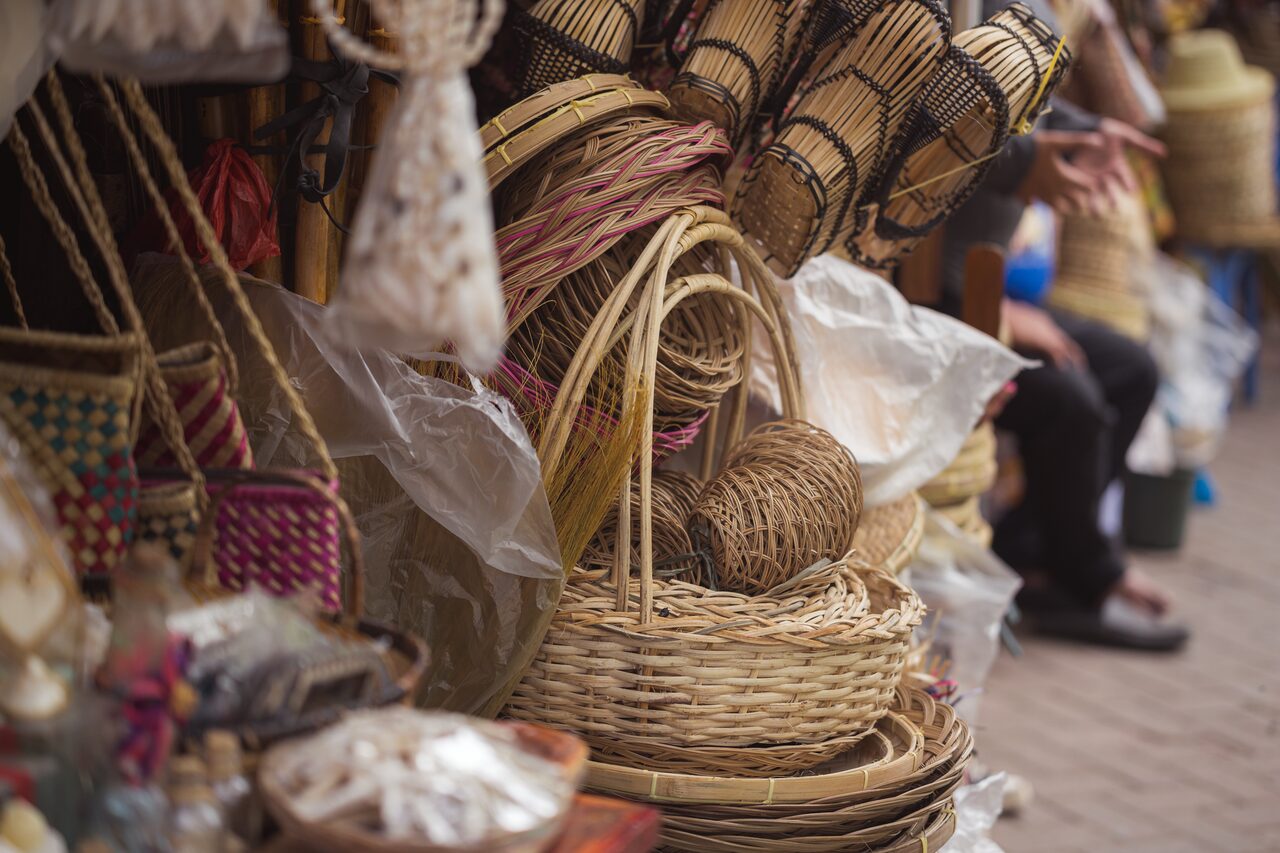
- Bamboo, rattan, pandan, ata bags, straw hats: declare. DAFF treats bamboo, cane and straw articles as risk items because they can carry insects and weed seeds. Clean, well-finished pieces usually pass after inspection.
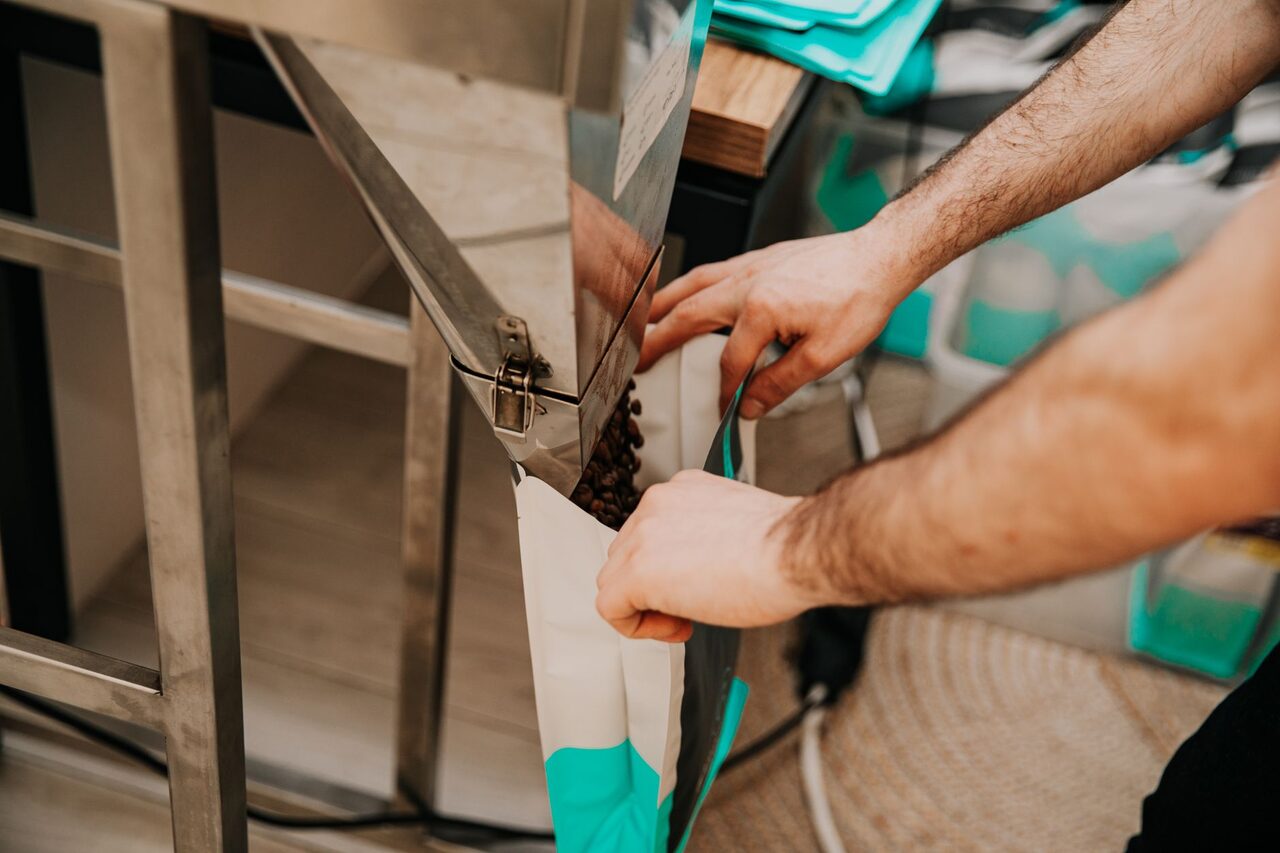
- Ground or roasted coffee: declare. Roasted coffee for personal use is generally allowed. Kopi luwak has its own entry in the BICON import database and must be declared and inspected. Do not bring green (unroasted) beans.
- Abon, dendeng, packaged rendang, satay, babi guling, meat-based seasonings: prohibited. Since Indonesia recorded foot-and-mouth disease (FMD) in 2022, Australia bans personal imports of meat products from affected countries, factory-packed ones included.
- Chips, sambal, dried spices, tea, packaged cakes: declare. Many pass, but products containing dairy, egg or meat may be held. Keep them in original labelled packaging.
- Incense: declare. It is made from processed plant material and the officer assesses it.
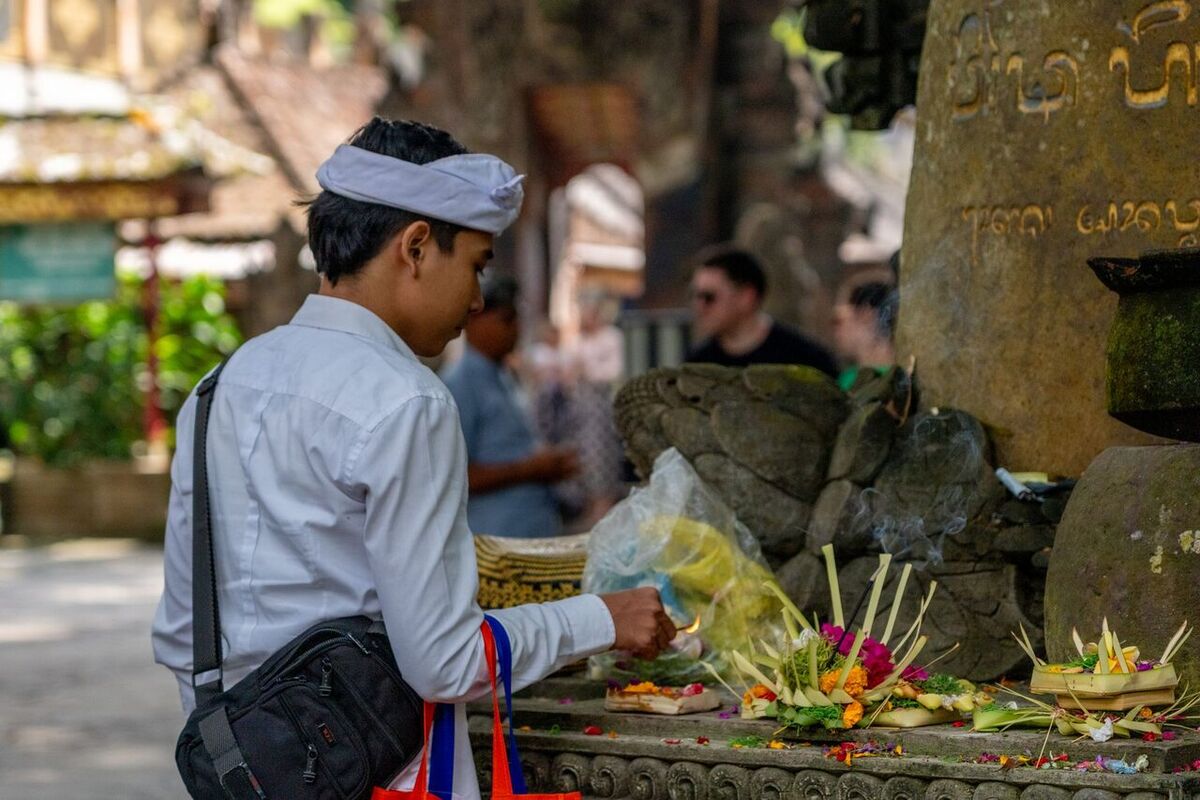
- Canang, palm-leaf offerings, fresh flowers, fruit: do not bring. Fresh plant material is almost always seized.
- Seeds, seedlings, bulbs, seed bracelets: declare. Many seeds are prohibited; skip market seed packets meant for your garden.
- Leather, feathers, bone, teeth, shells: declare. Items from protected species such as turtle or coral also break Indonesian law; see the rules on taking coral and shells from Bali.
- Fabric, sarongs, batik, silver, jewellery: no biosecurity declaration needed. The ABF duty-free limit for general goods is AUD 900 per adult.
- Arak and other spirits: duty-free limit of 2.25 litres per adult. For arak specifically, read our arak article and its take-home limits.
What happens after you declare
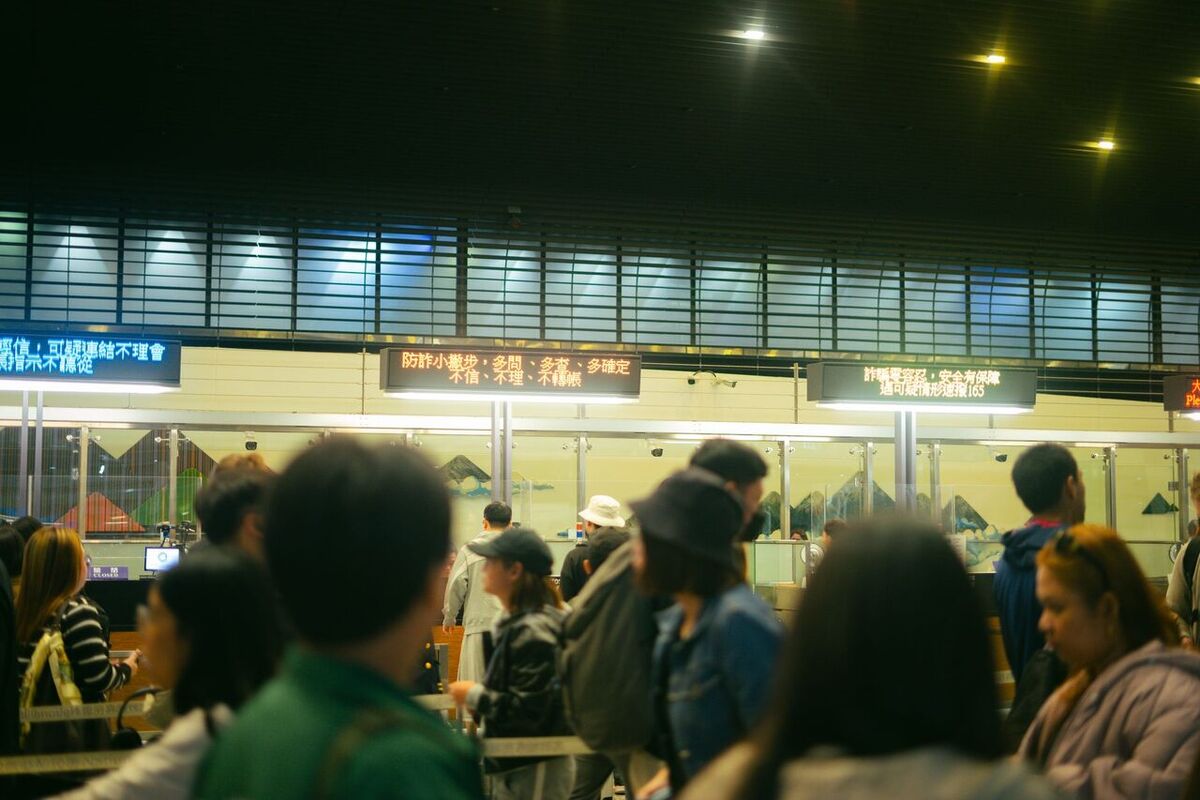
At Australian airports, passengers who declare goods are directed to the biosecurity inspection lane. Bags may be X-rayed and detector dogs routinely work the baggage hall, so undeclared items still have a good chance of being found. Show the item, explain what it is made of (for example "suar wood, varnished" or "factory-packed roasted coffee"), and wait for the decision. For a suitcase with a few carvings, inspection usually takes only minutes if everything is together and clean. If the officer finds bark or insects, you will be offered a choice: paid treatment, sending it back, or destruction. There is no fine at this stage as long as the item was declared.
How much is the fine for not declaring?
On its "Infringement notices at the airport" page, DAFF states that one penalty unit is worth AUD 364 from 1 July 2026. Failing to declare or giving false information carries a minimum of 2 units (AUD 728). For high-risk goods this rises to 6 units (AUD 2,184) or 12 units (AUD 4,368). Concealing conditional goods carries 20 units (AUD 7,280). Officers have no discretion over the amount. Visa holders who receive a notice may also be referred to the ABF for visa cancellation.
Dirty shoes and farm visits
FMD virus can travel in soil on shoes and clothing. Wash trekking shoes or rice-field sandals before packing. DAFF asks travellers from Indonesia to declare on the arrival card if they visited a rural area, a farm, or were near livestock in the past 30 days. A Jatiluwih rice-terrace walk or a stop at a cattle pen counts.
Packing so inspection goes quickly
- Put everything you will declare in one cabin bag or at the top of your suitcase.
- Brush dust, sawdust and leftover straw off carvings and woven goods.
- Throw away the paper or straw filler from the shop and wrap items in clothes instead.
- Keep receipts and package labels, especially for coffee and food.
- Food from the lounge or plane counts too. Finish it or use the amnesty bins before inspection.
To pick well-finished carvings and weaving while still in Bali, see our guide to craft villages and prices. One small habit that saves time: ask the seller whether the wood was kiln-dried or fumigated, and have that written on the receipt.


Bình luận 0
Chưa có bình luận nào. Hãy là người đầu tiên bình luận!