No. Women who are menstruating do not enter the inner areas of Balinese temples, and this applies to Balinese Hindus and tourists alike. Since 24 March 2025 the rule has also been written into Bali Governor's Circular No. 7 of 2025 on new conduct rules for foreign tourists.
What is cuntaka, or sebel?
Cuntaka, called sebel in everyday Balinese, is a state of ritual impurity in Hindu belief. The compiled decisions of the Seminar on a Unified Interpretation of Aspects of Hinduism, the reference used by Parisada Hindu Dharma Indonesia (PHDI), list its causes, including a death in the family, menstruation, childbirth and miscarriage. As the Badung office of the Ministry of Religious Affairs explains, a person in cuntaka does not enter sacred places or carry out sacred work until the condition has passed or a purification rite (prayascita) has been done.
It is not a judgement that women are personally unclean. PHDI Bali chair I Gusti Ngurah Sudiana, quoted by NusaBali, describes menstruation as impurity arising from one's own body, one of several kinds of cuntaka that men can also be in. What is being protected is the purity of the temple space.
How long does it last, and when can I go back in?
For menstruation it lasts for the period itself, usually 3-7 days, and ends with washing your hair (keramas) or a melukat cleansing, according to PHDI Bangli chair I Nyoman Sukra speaking to NusaBali. Customs vary between villages (desa kala patra), so some temples may add their own conditions.
Is it written down at temples?
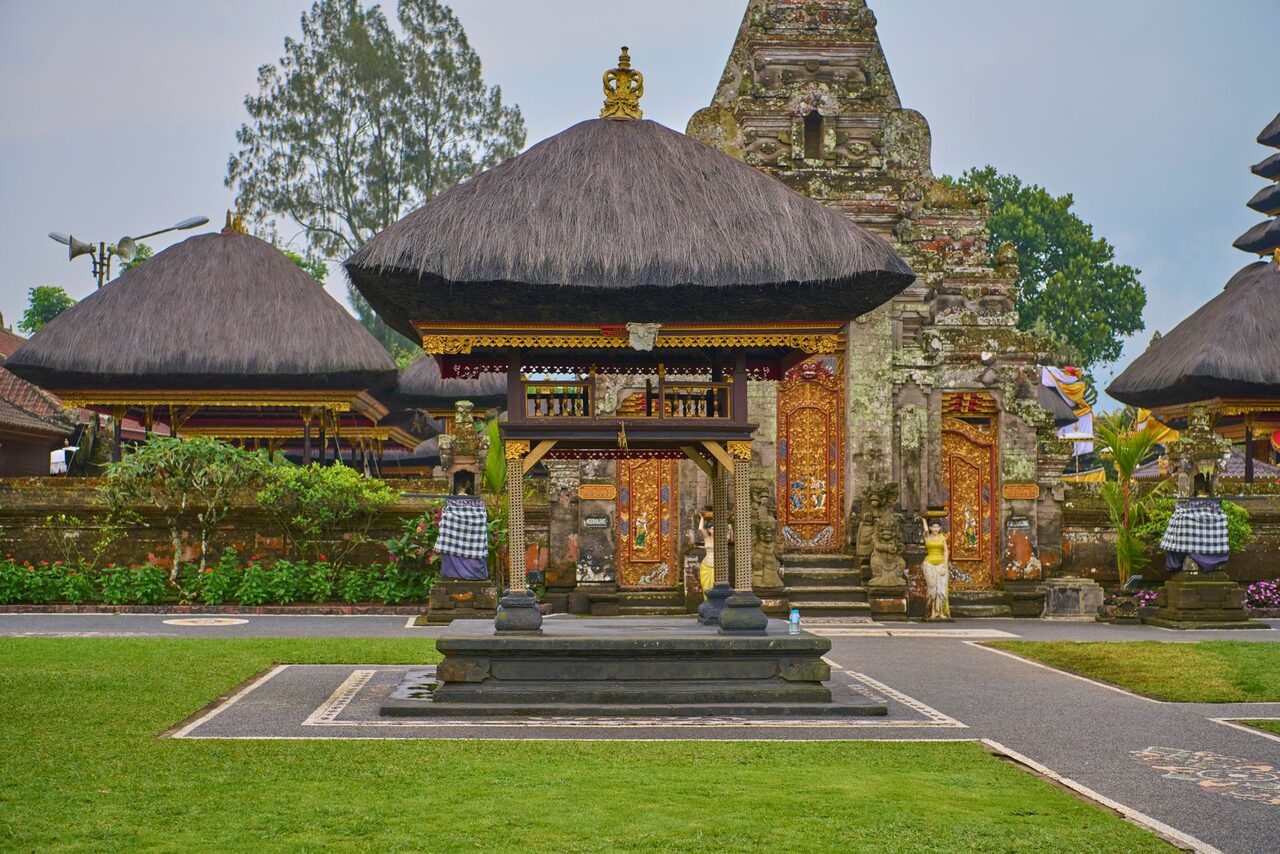
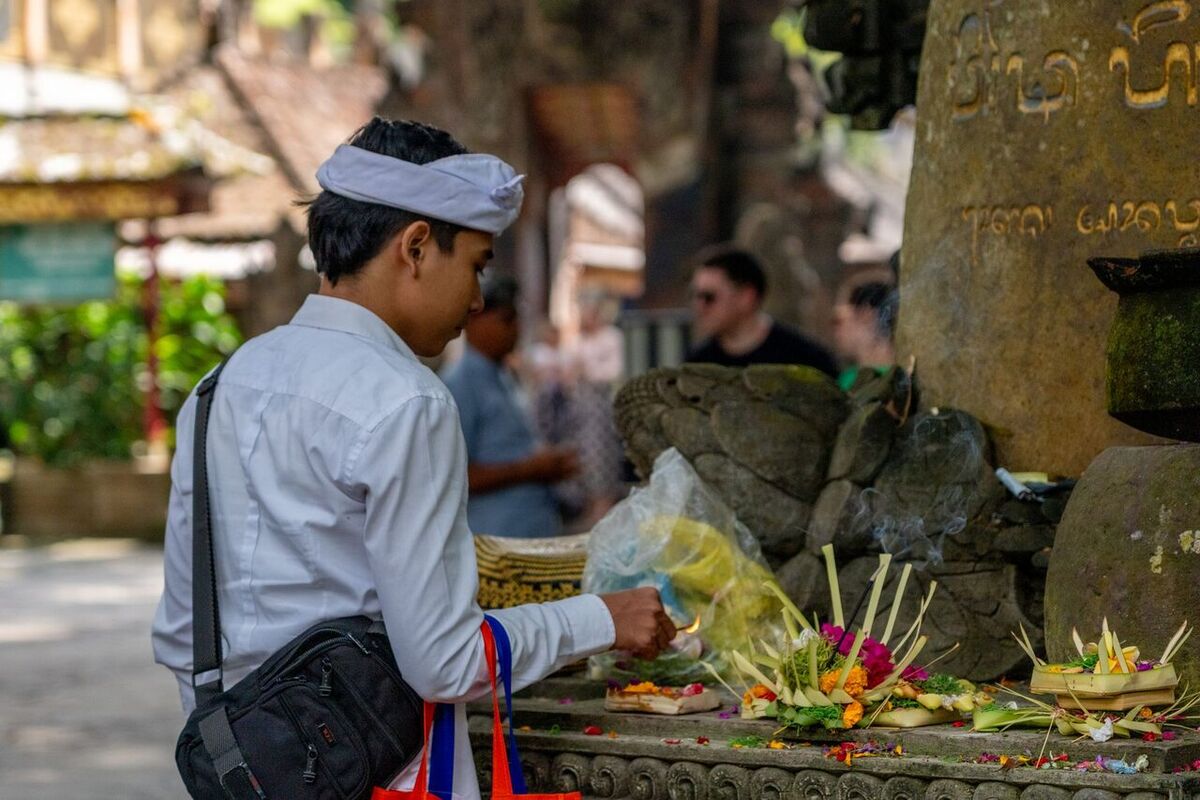
At some, yes. The official Pura Agung Besakih website states that visitors who are menstruating are not allowed into the inner temple area. The Pura Tirta Empul rules published by Kompas also bar women who are menstruating or in the postpartum period. For foreign tourists, Circular 7/2025 bans entering a temple's utama mandala and madya mandala except to pray in Balinese dress and when not menstruating. The circular's other dos and don'ts are summarised in our article on rules for tourists in Bali 2026.
Does anyone check?
No. Staff will not ask or check, and it would be inappropriate for them to do so. Enforcement rests on your own honesty. For Balinese people a breach can be seen as defiling the temple and may call for a purification ceremony, so simply staying out is the most basic form of respect. Circular 7/2025 does mention sanctions for foreign tourists who break it, but in practice it depends on visitors' awareness.
What about bleeding wounds or mourning?
The same idea applies more widely. Someone whose family member has just died, or a woman who has recently given birth or miscarried, is also considered cuntaka. The Buleleng culture and tourism office lists wounds as one of the causes. So if you have an open, still-bleeding wound, say a graze from a scooter fall, it is better to stay out of the inner temple until it has closed. Men are not exempt.
So what can I still do?
- View and photograph the temple from outside the gate. Circular 7/2025 only names the utama mandala and madya mandala, so the outermost yard (nista mandala or jaba sisi) is generally still open to you unless local staff say otherwise.
- Reshuffle your plans: visit temples on another day and spend this one in the rice fields, a museum or at the beach.
- If you have a guide, a brief word is enough; Balinese guides are used to it and can adjust the route.
- For Hindu women, inner prayer (niwerti marga, such as silent manasa japa) remains possible, as the Buleleng culture office notes.
Can I do melukat while on my period?
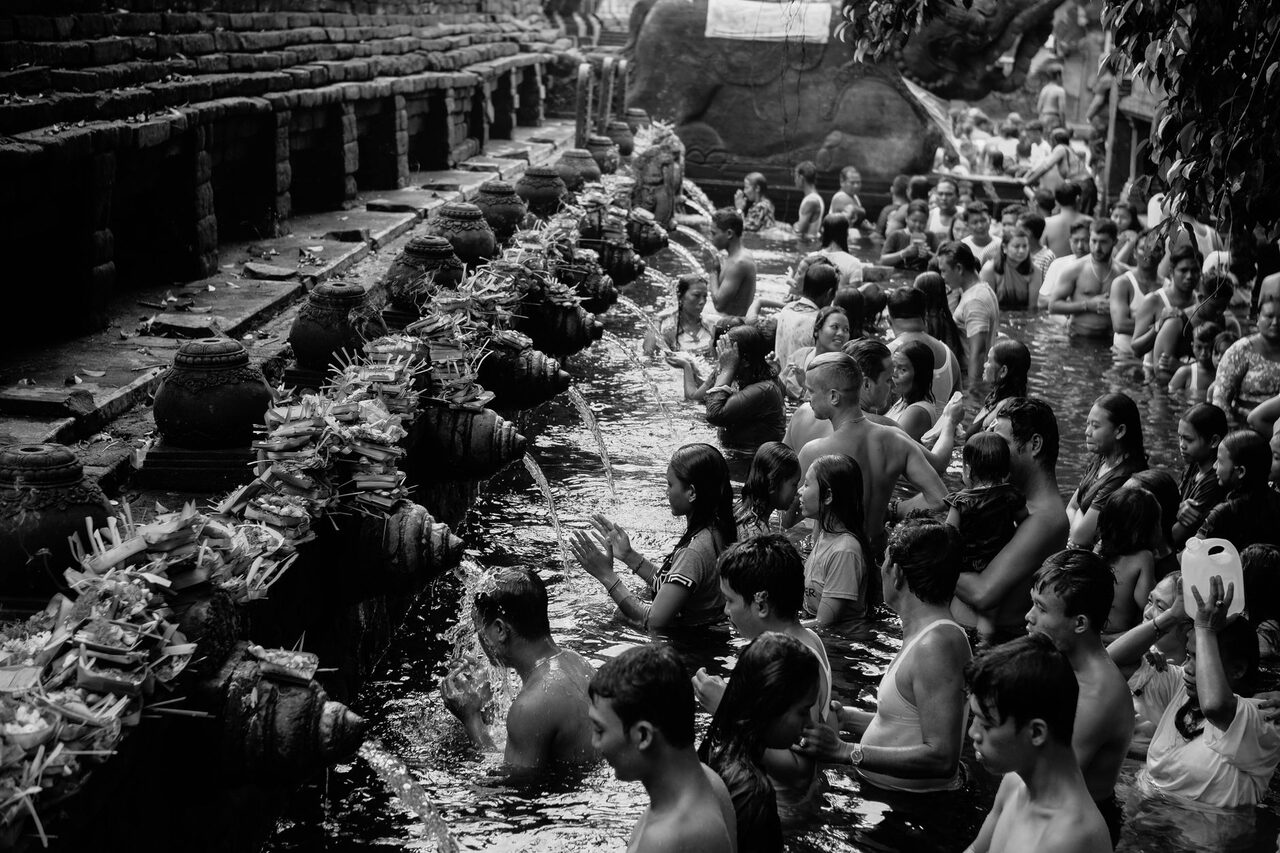
No. Melukat is a purification ritual at a holy spring or water spout that is almost always inside or beside a temple, so cuntaka rules apply in full, including at the Tirta Empul spout pools. Wait until your period has finished and you have washed your hair. Locations and steps are in our guide to melukat in Bali, and sarongs, sashes and behaviour inside temples are covered in temple etiquette for visitors.
One tip before you book a tour
If your holiday overlaps with your period and your tour already includes Besakih, Tirta Empul or a melukat session, ask the operator to swap the order of days from the start rather than on the day. If in doubt on site, ask the priest (pemangku) or the staff at the entrance; their answer is the one that counts for that temple.


Bình luận 0
Chưa có bình luận nào. Hãy là người đầu tiên bình luận!