Yes, as long as you report it to quarantine and carry a plant health certificate, even on a domestic flight from Bali to Jakarta or Surabaya. International destinations are tougher: Australia requires an import permit for most live plants regardless of quantity, and many other countries want a phytosanitary certificate. The rules below were checked in October 2026.
This covers live plants, cuttings, bulbs, seedlings and seeds. Processed souvenirs such as roasted coffee or dried spices follow separate rules.
Domestic: Jakarta, Surabaya or elsewhere in Indonesia
Under Law 21/2019 on Animal, Fish and Plant Quarantine, Bali and other islands count as different "areas". Article 35 requires anyone moving a carrier, including plants, from one area to another to:
- carry a health certificate from the place of departure;
- use a designated entry and exit point, such as I Gusti Ngurah Rai Airport or Gilimanuk port;
- report and hand over the plants to a quarantine officer for inspection.
Breaching Article 35 carries up to 2 years in prison and a fine of up to Rp2 billion (Article 88). The implementing rules are in Government Regulation 29/2023, enforced by the Indonesian Quarantine Agency (Barantin) through its Bali office for animal, fish and plant quarantine.
Enforcement does happen, although reported cases usually involve large shipments: South Kalimantan quarantine sealed 6,360 banana seedlings from East Java that lacked documents, and Maluku quarantine turned back 5,000 nutmeg seedlings from Ternate. A single potted plant in your luggage is lower risk, but it can still be held at the destination airport.
In practice: contact the Bali quarantine office or Barantin a few days before your flight, ask about documents and fees, then see the quarantine officer at the airport before check-in. Plants in soil are often asked to be cleaned or repotted, so don't leave it until two hours before boarding.
Australia: almost always a no
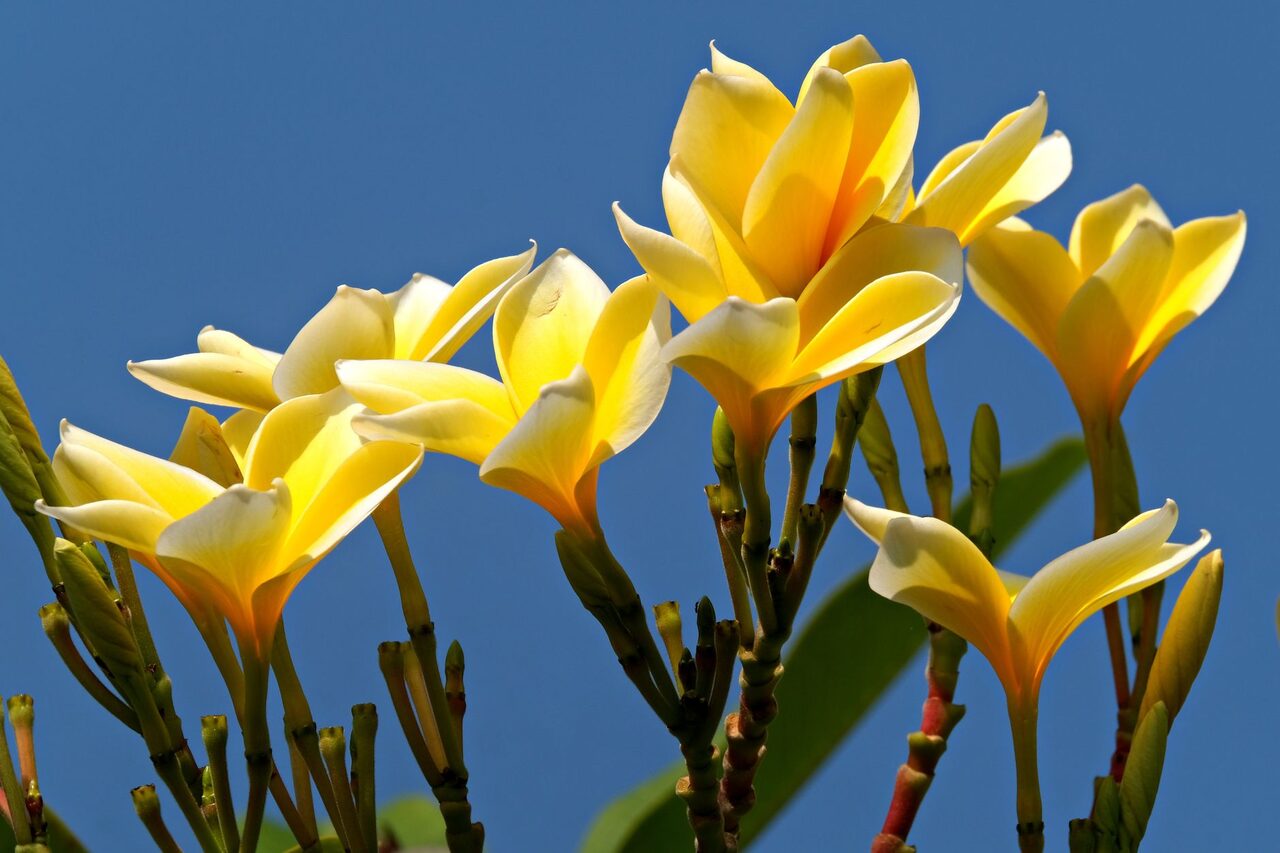
Australia's Department of Agriculture (DAFF) says most live plants need a valid import permit regardless of how many you bring, and even a single plant is treated as a risk. The permit has to be arranged before arrival, not at the airport. For travellers, that means frangipani cuttings, potted orchids or tree seedlings from Bali are effectively off the table.
- Seeds: status depends on species and is checked in the BICON database. Unlabelled market seeds are almost certain to be refused.
- Declare everything: all plant material, including seeds, pods and dried flowers, must be declared. DAFF stresses you won't be penalised if everything is declared, even if items are then refused.
- Penalties: a DAFF release puts infringement notices at 2 to 20 penalty units (AUD 550 to 5,500 at the time), and visas can be cancelled. One cruise passenger was fined AUD 3,300 for two live plants and some seed pods.
Other souvenirs commonly seized at Australian airports are covered in our Bali to Australia souvenirs article.
Other countries: phytosanitary certificate first
Almost every country requires a phytosanitary certificate from the country of origin for live plants. In Indonesia, Barantin issues it. Article 87 of Law 21/2019 also penalises taking plants out of the country without reporting to a quarantine officer.
- European Union: since December 2019 almost all plants and plant products, including in passenger luggage, need a phytosanitary certificate, apart from a handful of fruits such as pineapple, coconut, durian, banana and dates.
- United States: USDA APHIS requires a phytosanitary certificate for plants for planting, and many genera are restricted or need a permit.
- Japan: plants must come with a phytosanitary certificate and are inspected by the Plant Protection Station; soil is prohibited.
- New Zealand: MPI is among the strictest; all plant material must be declared, with on-the-spot fines if it isn't.
Check the destination country's quarantine authority before you buy, as requirements change and vary by species.
Orchids: an extra layer of CITES rules
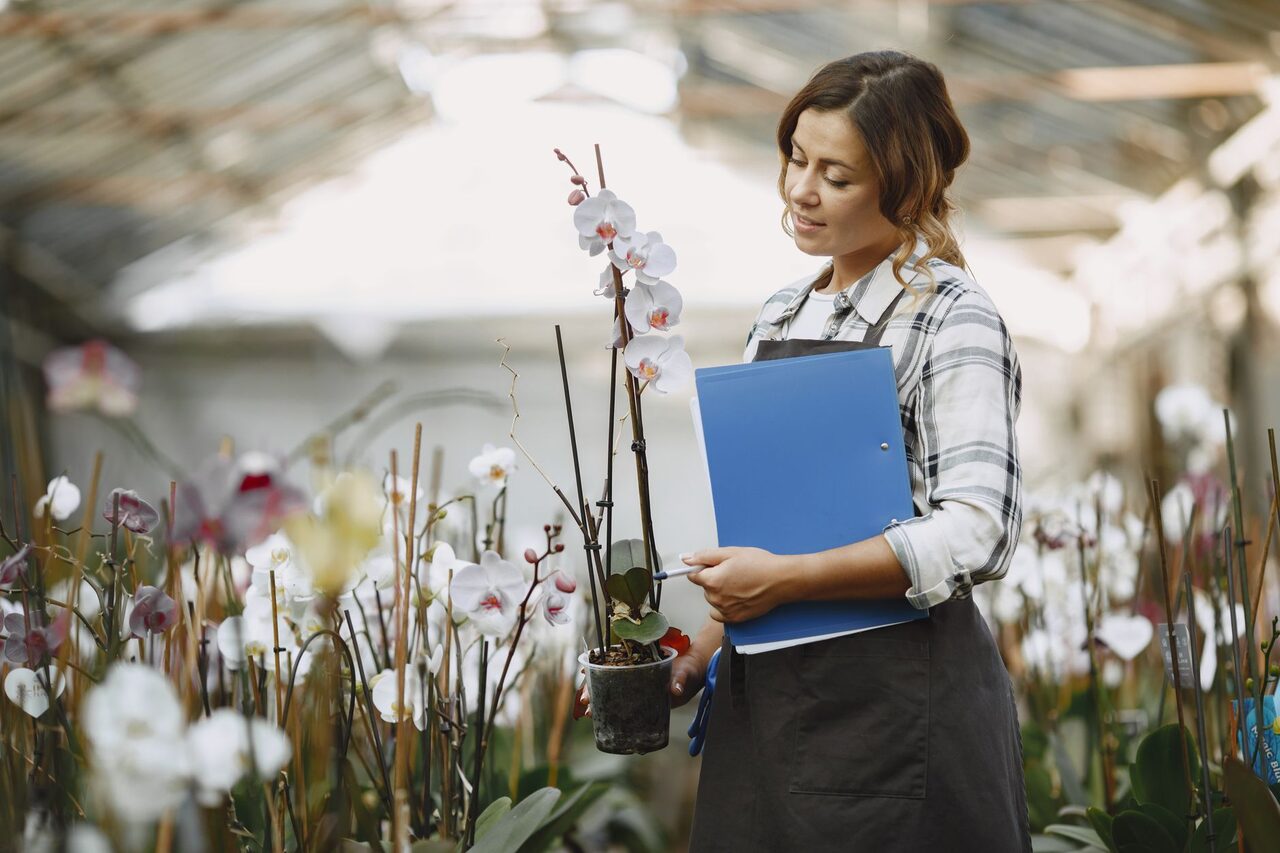
Almost all orchids are listed in CITES Appendix II. Taking one abroad needs a CITES export permit from Indonesia's forestry authority (arranged through the local BKSDA conservation office), on top of a phytosanitary certificate, and the destination may want its own import permit. Protected wild orchid species must not be collected at all. Orchid sellers around the Bali Botanic Garden in Bedugul sell nursery plants, but being nursery-grown does not remove the CITES export requirement.
Coffee and vegetable seeds
- Packaged roasted coffee: a processed product, generally not treated like seedlings. Declare it anyway for Australia.
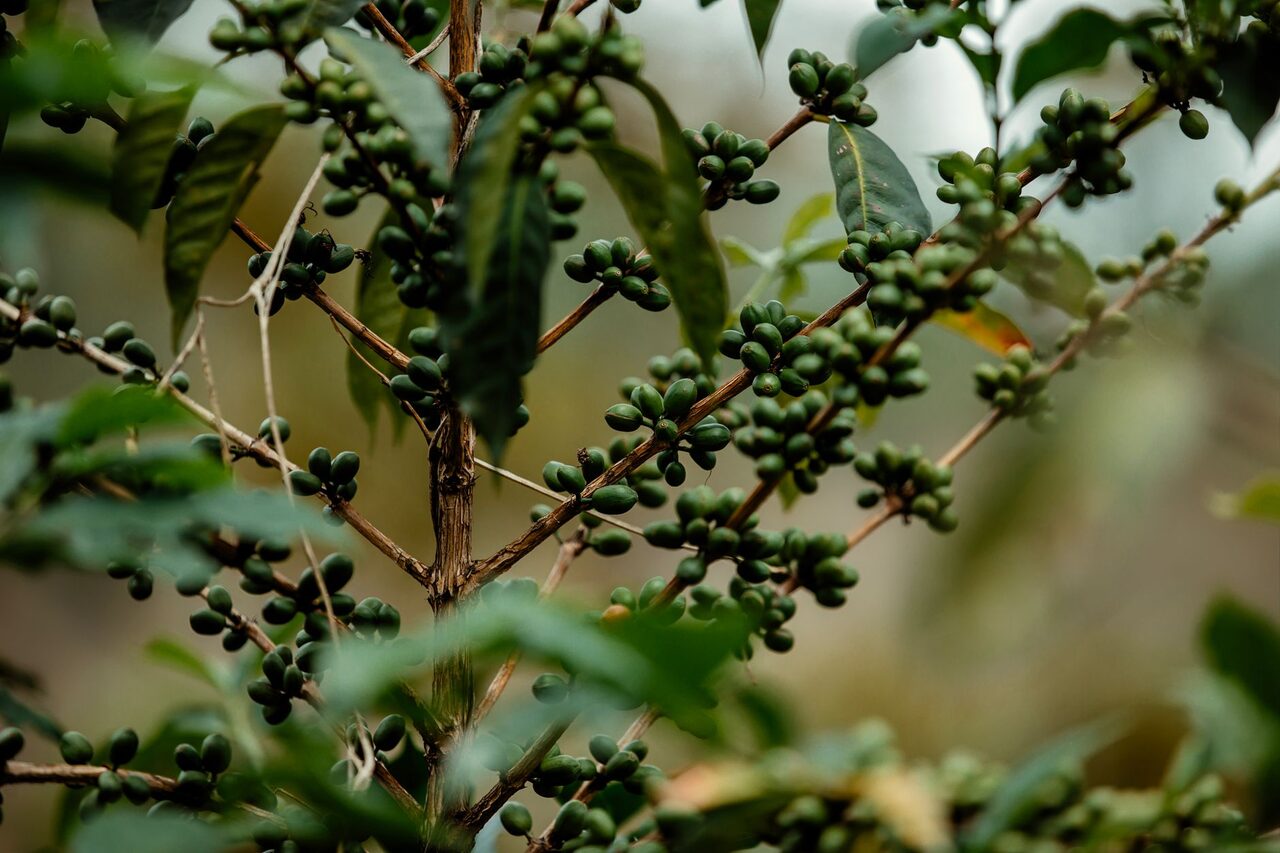
- Green coffee beans and coffee seeds: still plant material. Domestically, report them to quarantine; internationally, check the destination's rules, because anything that can germinate is treated like planting seed.
- Vegetable seeds from a Bali market: domestically, follow the quarantine steps above. Abroad, unlabelled seeds without a certificate are the most commonly refused.
What happens if it's refused?
Plants are usually held, sent back or destroyed, and the cost can fall on the owner. Shipping by courier doesn't get around the rules, since parcels containing plants are inspected by quarantine too; the shipping options are compared in our article on sending souvenirs from Bali overseas. The option least likely to cause trouble is still to photograph the plant, note the species name, and buy the same plant from a licensed nursery at home.


Bình luận 0
Chưa có bình luận nào. Hãy là người đầu tiên bình luận!