Legally, tourists entering Bali visa-free or on a visa on arrival (e-VOA) do not have to buy travel insurance, but in practice you will almost certainly want it: private hospitals in Bali usually ask foreign patients for a deposit or a payment guarantee from an insurer before treatment, and home schemes such as Australia's Medicare do not work in Indonesia. As of September 2026, the e-VOA requirements on the official evisa.imigrasi.go.id site do not list insurance. This article does not recommend any product; it covers what to check in whichever policy you look at.
What do the visa rules say?
- Visa-free entry and tourist e-VOA: no insurance requirement. e-VOA rules and fees are covered in our Bali visa on arrival article.
- E33G (remote worker): several visa agents list health insurance for the length of stay as a requested document. Check the current list on evisa.imigrasi.go.id before applying; other requirements are in our E33G visa article.
- The Rp150,000 foreign tourist levy is not insurance and covers no medical costs at all.
What does treatment cost without insurance?
Hospitals rarely publish full price lists, so treat these as rough figures quoted by insurers and traveller health information sites, checked September 2026:
- Mild Bali belly: a private clinic consultation around Rp300,000 (about USD20), medicine extra. If you are dehydrated and need a drip or admission, the bill multiplies.
- A motorbike crash with a broken bone, surgery, and several nights in a private hospital: can exceed USD20,000-30,000.
- Air ambulance evacuation to Australia: roughly AUD40,000-90,000. The Australian Government states it does not pay for its citizens' medical evacuations.
- Private hospital admission deposit without an insurer's guarantee: often cited at Rp10-20 million, depending on the expected treatment.
Hospitals, 24-hour clinics, and key numbers are in our Bali emergency health guide.
Before you buy: a policy checklist
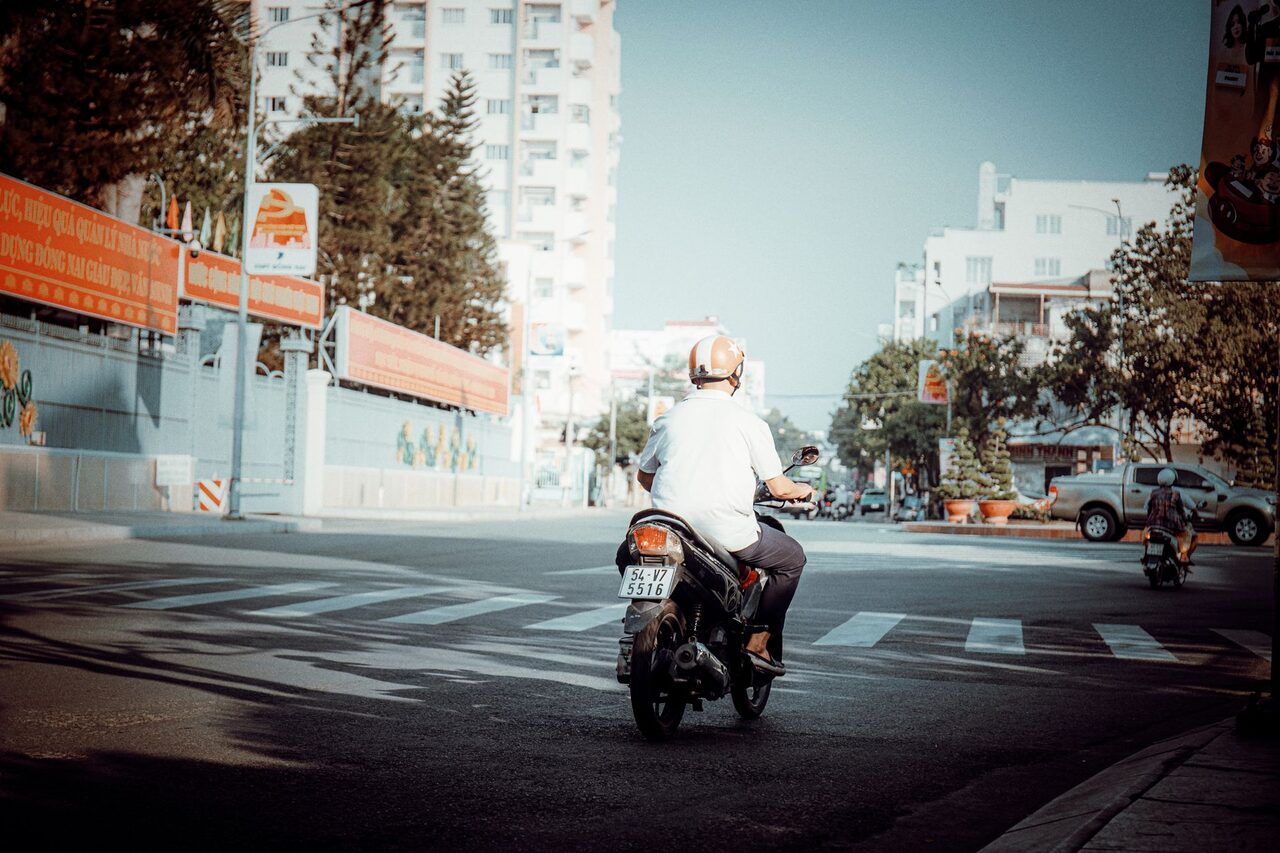
- Motorbikes. Many policies only cover scooter accidents if you hold a valid motorcycle licence from home plus an International Driving Permit, wear a helmet, and sometimes ride no more than 125cc. Without that, a claim can be refused, and motorbike crashes are among the most reported causes of tourist injury in Bali.
- Alcohol and drugs. Claims arising while heavily intoxicated or under the influence of drugs are generally excluded. The wording of the policy sets the line, not guesswork.
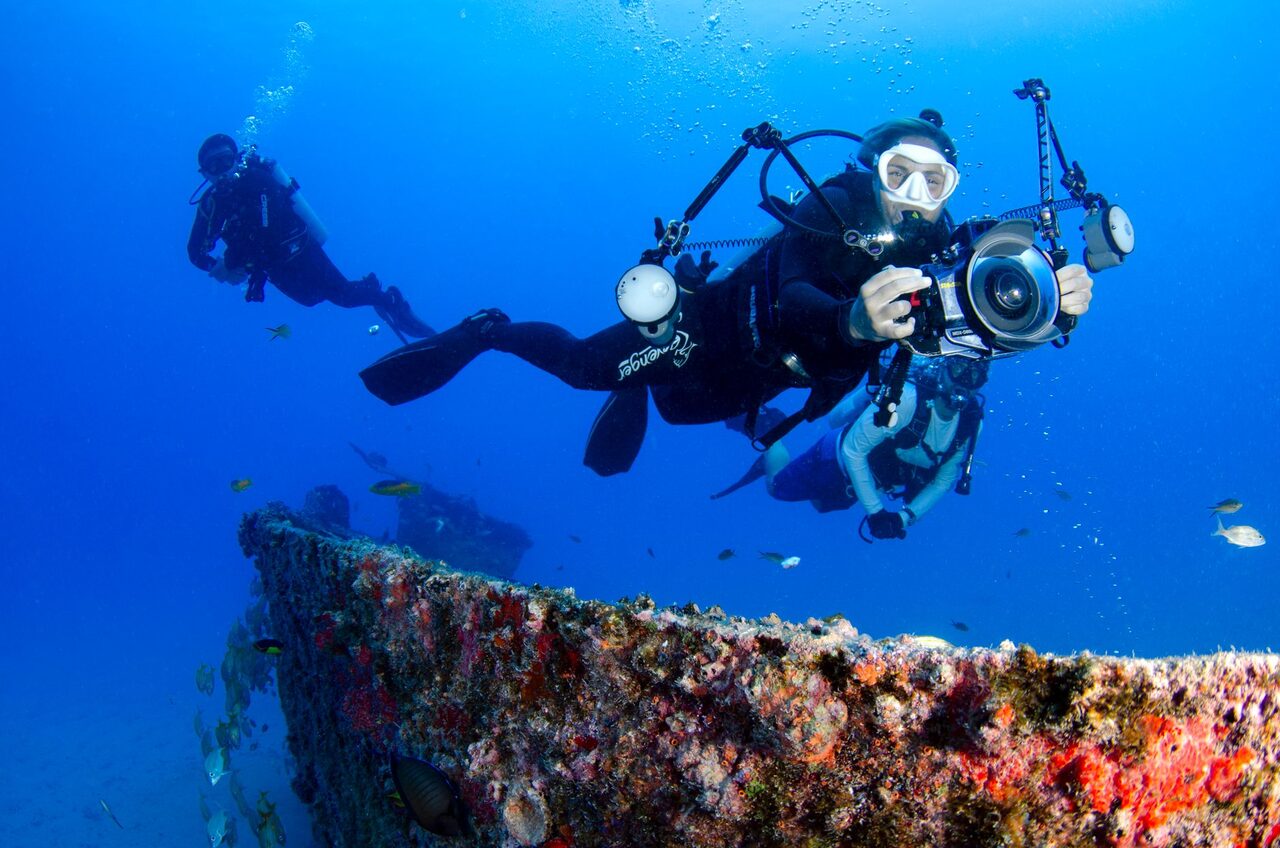
- Diving. Check the depth limit (often 18 or 30 metres depending on your certification), whether you must be certified or with an instructor, and whether decompression illness is included. Dives beyond 30 metres are usually not covered.
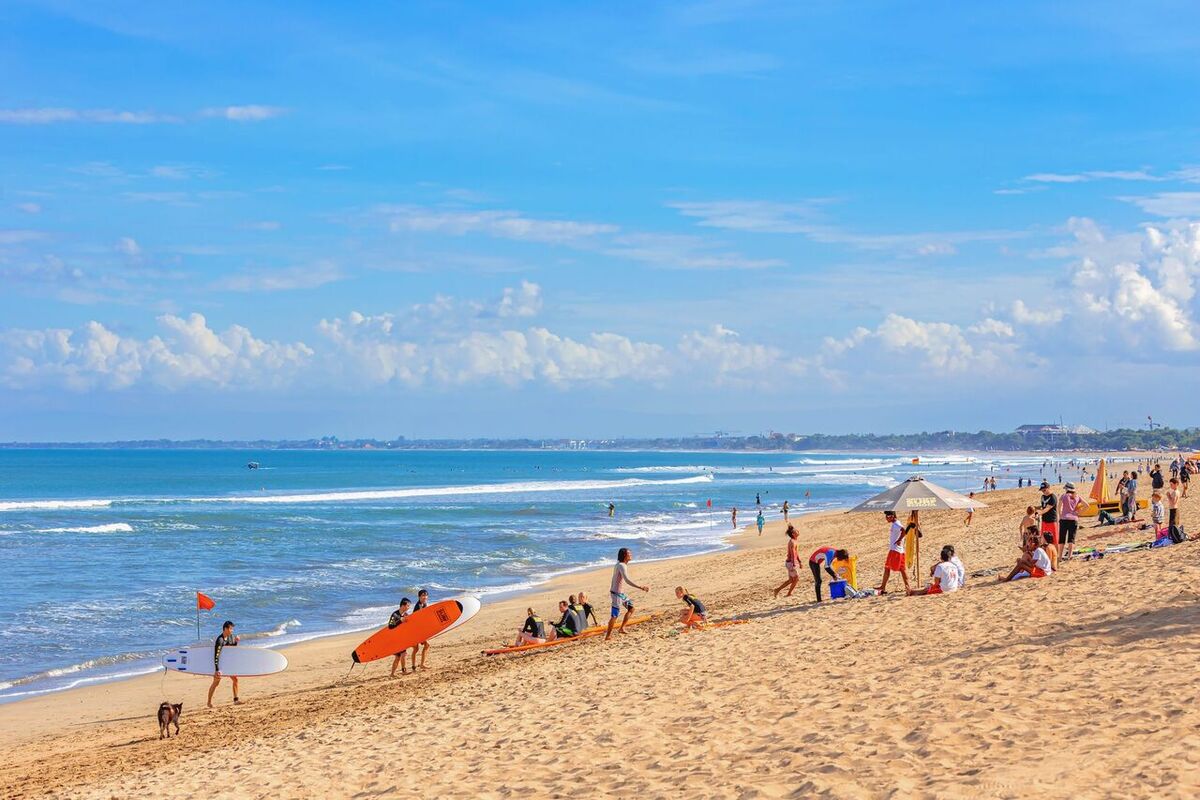
- Surfing, rafting, paragliding. Some policies include recreational surfing, others need a sports add-on. Rafting on the Ayung River or paragliding on the Bukit may fall into the add-on category.
- Pre-existing conditions. Asthma, diabetes, heart conditions, pregnancy: declare them when buying, or related claims can fail.
- Known events. Eruptions, disasters, or unrest reported before you bought the policy are not covered for disruption from that event. Real examples: flight disruption from Mount Lewotobi and Anak Krakatau. Buy cover as soon as you pay for flights.
- Medical evacuation and repatriation. Make sure it is included with a high limit, and check whether it takes you home or only to the "nearest adequate facility", such as Singapore.
- Direct billing (guarantee of payment). Look for an insurer with a 24-hour emergency line that can send a guarantee to the hospital, so you do not have to front the deposit.
- Trip length and age. Annual multi-trip policies often cap each trip's length; stays of several months need a different product. Age limits vary too.
- Credit card insurance. Often only active if the flights were paid with that card, and the medical benefit can be small. Read the policy wording before relying on it.
If you need to claim
- Call your insurer's emergency line before, or right after, going to hospital.
- Ask for medical records, itemised receipts, and a doctor's letter, ideally in English.
- For road accidents, loss, or theft, file a police report as soon as you can; many policies require one.
The step people skip is the simplest one: keep your policy number and the insurer's emergency number on your phone and on paper in your wallet. A phone can break or go missing in the same accident that makes you need it.



Mga Komento 0
Wala pang komento. Maging una sa pagkomento!