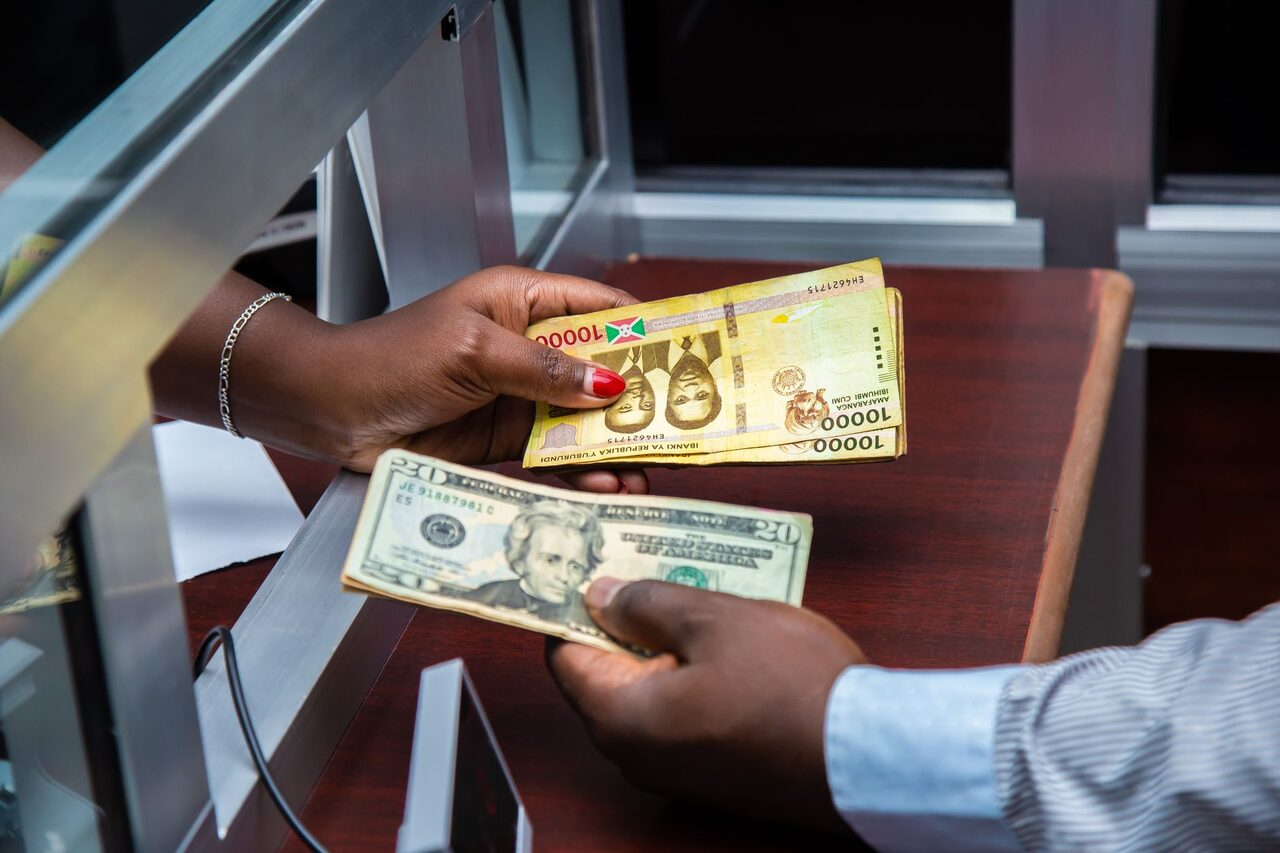
Yes. Many money changers in Bali refuse, or give a lower rate for, US dollars that are crumpled, sharply folded, torn, written on, stamped or of an old design, even though those notes are still legal tender in the United States. The US government's official site, uscurrency.gov, states that all designs of US currency remain legal tender regardless of when they were issued. The catch is that money changers in Bali are free to choose which notes they buy.
Why can a legal note be refused?
Money changers resell the dollars they buy to banks or larger currency dealers. Damaged or old-design notes are harder to sell on and take longer to authenticate, so the risk is passed to you: a refusal, or a lower price.
Which series usually cause problems?
There is no official cut-off year; each counter sets its own policy. The note most often questioned is the USD100. The new design with the blue 3D ribbon down the middle has circulated since October 2013 (series 2009A onward). Older USD100 notes, including the large-portrait 1996 to 2006 series, are often bought at a lower rate or refused, and local travel guides also mention certain older series being turned away. The USD5 to USD50 notes switched to coloured designs between 2003 and 2008; anything older than that is riskier.
Why does USD100 get a better rate than USD5?
The rate on the board is usually for large notes. Small denominations (USD1-20) get a lower rate, and the gap adds up if you change hundreds of dollars in small bills. Central Kuta Money Exchange, for example, says on its website that the rates shown are indicative and that it does not sell foreign currency in small denominations. Ask for the rate per denomination before handing over your cash.
How do you spot a licensed money changer?
According to Bank Indonesia's public education page, licensed money changers (KUPVA) must display:
- the licensed KUPVA logo issued by Bank Indonesia;
- the business licence certificate from Bank Indonesia;
- the words "Penyelenggara Kegiatan Usaha Penukaran Valuta Asing Berizin" (Authorized Money Changer) somewhere easy to see.
BI also publishes a list of licensed non-bank money changers, and a list of revoked licences, on bi.go.id. BI's warning signs: rates far more tempting than other counters, secrecy about information, and no permanent business premises.
What should you prepare before you leave?
- Ask for crisp, new-design USD100 notes when you buy dollars at your home bank.
- Keep them flat in an envelope or long wallet. Do not fold them in half, staple them or band them too tightly.
- Check each note: no pen marks, bank stamps, edge tears or stains.
- Set damaged notes aside; spend them at home rather than trying to change them in Bali.
- If you need dollars for small expenses, bring a few new-design USD20 notes, but change most of your money in USD100s.
- Avoid tiny kiosks that only put a rate board by the roadside with no BI logo or certificate.
- Bring a debit card as backup in case some notes are refused. ATMs, QRIS and money changers are compared in our guide to changing money and paying in Bali.
- If you carry a large amount of cash, first check the cash limit you can bring into Bali.
Being refused at one counter does not mean your money is no good everywhere. Try another licensed counter or a bank branch, and recount your rupiah in front of the cashier before you leave the desk.




Mga Komento 0
Wala pang komento. Maging una sa pagkomento!