Statues, masks and carvings that craftspeople made recently can go home with you as personal souvenirs, no special permit needed. What is prohibited is taking cultural heritage objects (cagar budaya) out of Indonesia without permission. Article 68 of Law No. 11 of 2010 on Cultural Heritage only allows heritage objects to leave the country for research, cultural promotion or exhibitions, and only with a permit from the Minister. Article 109 sets a penalty of up to 10 years in prison and/or a fine of up to Rp1.5 billion.
What separates a "real antique" from a new craft piece?
Article 5 of the Cultural Heritage Law uses age as a yardstick: an object can be proposed as heritage if it is 50 years old or more, represents a style at least 50 years old, and has special significance for history, science, education, religion or culture. Formal heritage status comes through designation, but objects under assessment are already "protected and treated as Cultural Heritage" (Article 31(5)). In practice, stone figures from temples, temple fragments, inscriptions, old lontar palm-leaf manuscripts and objects found in the ground or at sea are risky territory, whatever the seller says.
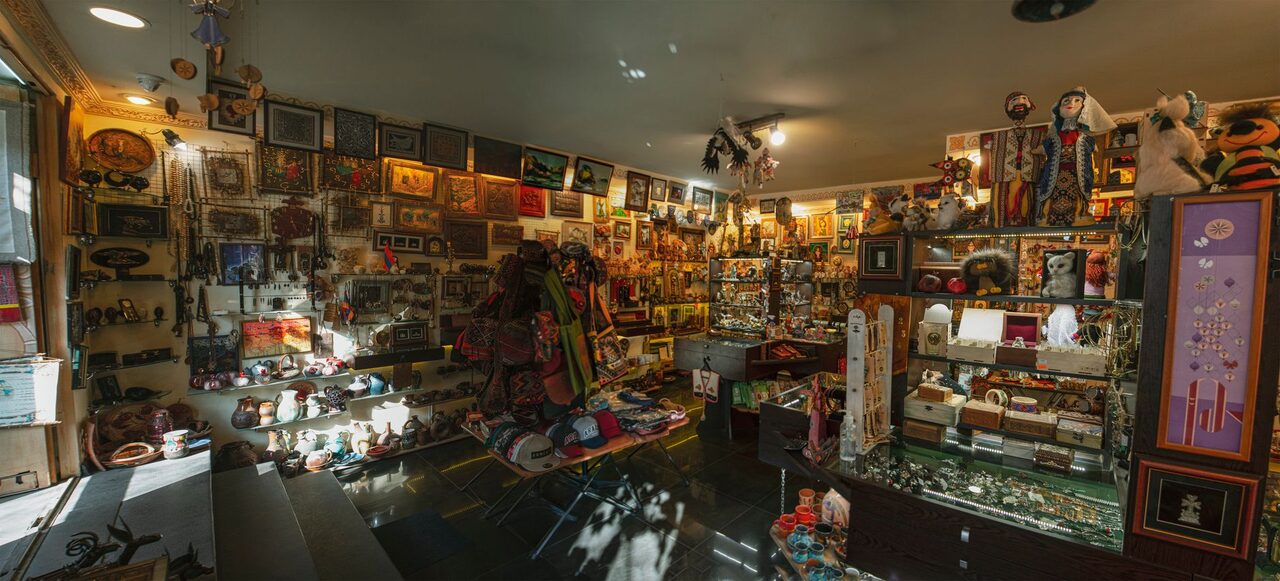
On the other hand, many pieces labelled "antique" in Bali art shops are new and made to look old: the wood is dulled, cracked or given a patina. That is perfectly legal as long as the item really is new, and it is best written that way on the receipt.
I am a foreign national. Are there special rules?
Yes. Article 14 of the same law states that foreign nationals and foreign legal entities may not take heritage objects, whole or in part, out of Indonesia. The only exception is Article 68 (research, promotion or exhibitions with the Minister's permit), which is not a route for private purchases. For foreign tourists, buying a heritage object to take home is effectively closed off.
The seller says it is a "genuine antique". What should you do?
- Treat the claim as a warning sign, not a selling point. If it really is an old piece of historical value, you are buying a legal problem. If it is fake, you are overpaying.
- Do not buy anything that clearly comes from a temple, a grave or an archaeological site, such as stone statues, pratima figures or pieces of relief.
- If you are still interested in an old piece, ask the Cultural Preservation Office Region XV (Balai Pelestarian Kebudayaan Wilayah XV), the Ministry of Culture office covering Bali, before you pay.
- Watch out for materials from protected wildlife, such as turtle shell or ivory. The problem there is the material, not the age, and many destination countries will seize it.
What receipt or details should you ask the shop for?
- A dated receipt with the shop's name and address, a description of the item (material, size), and the words "new handicraft" or "replica" in writing.
- For wooden statues: the type of wood and whether the piece has been fumigated. This helps at quarantine in your home country.
- A photo of the item in the shop with its receipt. If an officer asks, you have proof of origin.
- Large pieces are usually easier to ship. Post and courier options are covered in how to ship souvenirs from Bali overseas.
Do you need to declare anything to Indonesian Customs on departure?
For personal souvenirs, usually not. Finance Ministry Regulation PMK 203/PMK.04/2017 on goods carried by passengers requires a declaration for specific categories, including gold, pearl and other high-value jewellery, cash or payment instruments worth Rp100 million or more, goods subject to export duty, and goods you plan to bring back into Indonesia (summary by Hukumonline). Statues or carvings in commercial quantities are a different matter. Ask a Customs officer at the airport or the Bravo Bea Cukai line, 1500225, before you fly.
What about your destination country's rules?
Destination rules are often stricter than Indonesia's exit rules. Australia, for example, asks travellers to declare wooden items, carvings and crafts made from plant material. Biosecurity officers check for insects and bark, and risky goods can be held, treated at your cost, or destroyed. Details are in our guide to Bali souvenirs and Australian customs. Other countries run similar quarantine systems, so check your own government's site before buying a large wooden statue.
And keris daggers?
Keris and knives have an extra issue because they are not allowed in the aircraft cabin. If your keris is old and historically significant, the heritage rules above apply as well. Baggage rules are explained in taking a keris or knife on a flight from Bali.
In short, what is safe?
- Safe: new statues, masks, carvings and paintings with a receipt; aged-look pieces marked "replica".
- Risky: objects 50 years or older with historical or religious value, temple statues and building fragments, old lontar manuscripts, found objects.
- Prohibited without the Minister's permit: cultural heritage objects, except for research, cultural promotion or exhibitions. For foreign nationals the ban is explicit under Article 14.
The penalties above are maximums. Since 2 January 2026, Law No. 1 of 2026 on Criminal Penalty Adjustment has removed special minimum penalties in laws outside the Criminal Code, including the "at least 6 months" and "at least Rp200 million" written into Article 109. Article texts checked October 2026 on pasal.id and the BPK legal database.



Mga Komento 0
Wala pang komento. Maging una sa pagkomento!