If you find a snake in your Bali villa, back away slowly to at least two metres, get children and pets out of the room, close the door and call a snake rescuer or the villa manager. Do not try to catch it or hit it; most bites happen when people try to move a snake on.
The warning is timely. On Friday 30 October 2026, the Reptil Asih Foundation in Tabanan removed a king cobra nest holding 22 eggs from a garden in Angkah Kaja village, helped by an Australian couple who join snake rescues every time they holiday in Bali (detikBali and Bali Post, 30 October 2026). detikBali places it in Selemadeg district, Bali Post in West Selemadeg. The mother, around 2.2 metres long, escaped into the Balian River. Earlier in October another nest with 23 eggs was found in Jegu, Tabanan.
Which venomous snakes live in Bali?
A list compiled by bali.com with snake expert Ron Lilley (Bali Snake Patrol) includes the species worth recognising:
- Island pit viper (Trimeresurus insularis). Green with a reddish tail and the most frequent cause of bites, because it blends into leaves and gets stepped on in the dark.
- Javan spitting cobra (Naja sputatrix). Can spray venom towards the eyes from a few metres away.
- Malayan krait (Bungarus candidus). Black and white bands, active at night, called Bali's most venomous snake by Lilley. Its bite is often painless.
- Banded krait (Bungarus fasciatus). Black and yellow bands.
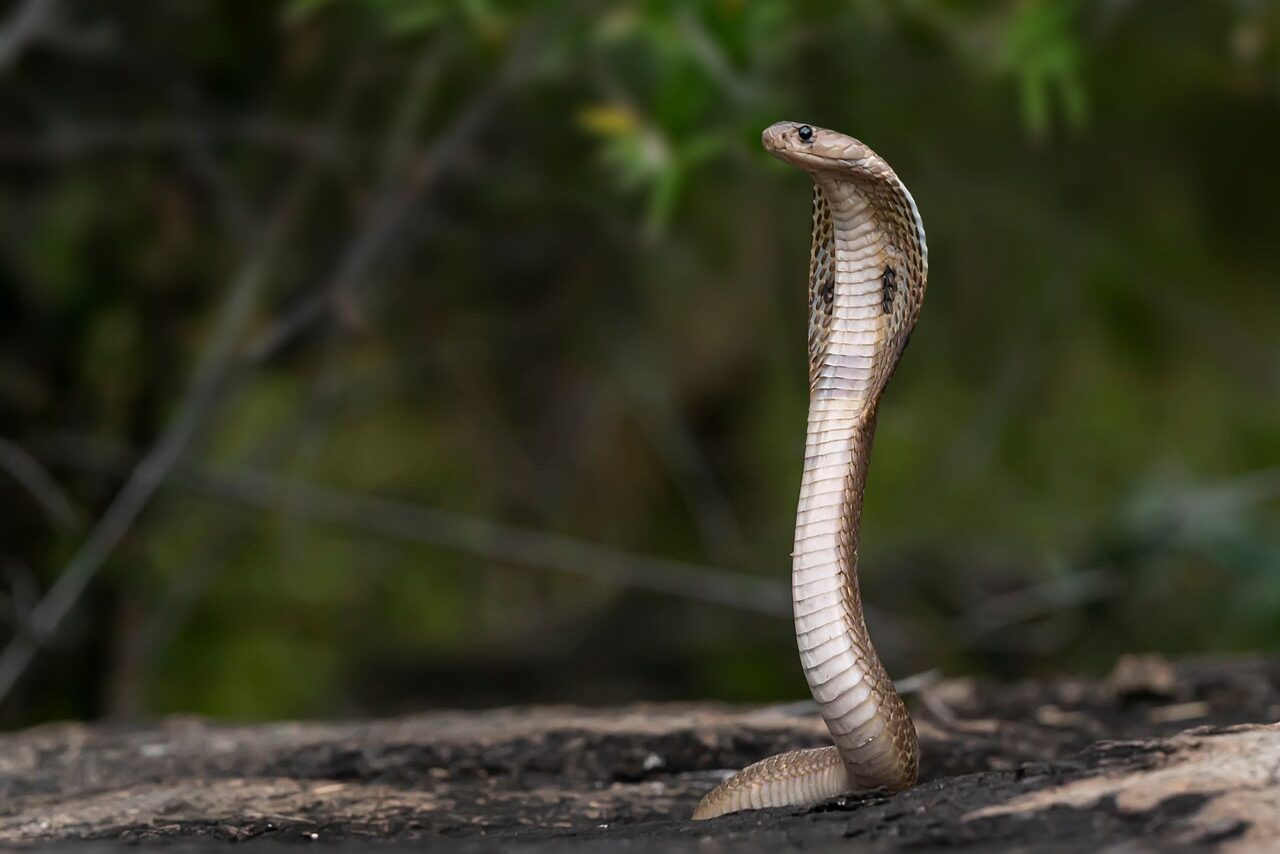
- King cobra. Rarely enters houses but nests in gardens and bamboo clumps near rivers, as in the Tabanan case.
Most snakes that turn up in villas, such as rat snakes or small pythons, are not venomous. Lilley still advises treating every snake as dangerous until it has been identified.
Why are there more snakes now?
Reptil Asih chair Ni Putu Astridayanti says the start of the rainy season coincides with king cobra egg-laying. Rain also floods the holes where snakes and rats hide, so both look for dry spots, including open kitchens, storerooms and villa gardens. This year's rainy season forecast is in our BMKG forecast article.
What should you do if a snake is in your room?
- Keep your distance, do not corner it and leave its exit route open.
- Take a photo from far away if it is safe. It helps rescuers identify the species.
- Call the villa manager or a rescuer. Ron Lilley accepts identification photos on WhatsApp at +62 813 3849 6700 (according to bali.com, checked 31 October 2026). In Tabanan there is the Reptil Asih Foundation.
- If a cobra spits into someone's eyes, flush them with plenty of clean water for several minutes and go to hospital.
What is the right first aid for a bite?
The WHO South-East Asia guidelines (Guidelines for the Management of Snakebites, 2016) and Lilley's advice on bali.com agree on the essentials:
- Keep the person calm and still. Remove rings, watches and bracelets before swelling starts.
- Splint the bitten limb so it cannot bend, then take the person by car. They should not walk or drive themselves.
- Do not suck, cut or apply a tight tourniquet. No ice, herbal remedies or alcohol.
- Australians know the pressure immobilisation bandage. WHO guidance allows a pressure bandage for suspected bites from neurotoxic snakes such as cobras and kraits, but not for pit vipers that cause heavy swelling. If you are unsure of the species, just splint and go.
Emergency numbers: 112 (general), 119 (ambulance). The old 118 number still works in some areas.
Which hospitals have antivenom?
Bio Farma's antivenom, sold as Biosave or SABU, is polyvalent for three species: the Malayan pit viper (Calloselasma rhodostoma), banded krait (Bungarus fasciatus) and Javan spitting cobra (Naja sputatrix). King cobra, Malayan krait and island pit viper are not listed in its composition, so hospital care for those bites relies more on supportive treatment such as breathing support.
bali.com names BIMC Hospital (Kuta, Nusa Dua, Ubud) and Prof. Dr. I.G.N.G. Ngoerah Hospital in Denpasar as experienced with snakebites. We found no official statement about antivenom stock at any hospital, including Siloam, so ask your driver or villa manager to phone the emergency department while you are on the way. Hospitals and ER costs are listed in our Bali emergency health guide. The same "hospital first, no home remedies" rule applies to other animal bites, see rabies steps after a monkey or dog bite.
How to lower the risk at your villa
- Use a torch and wear shoes when walking through the garden at night.
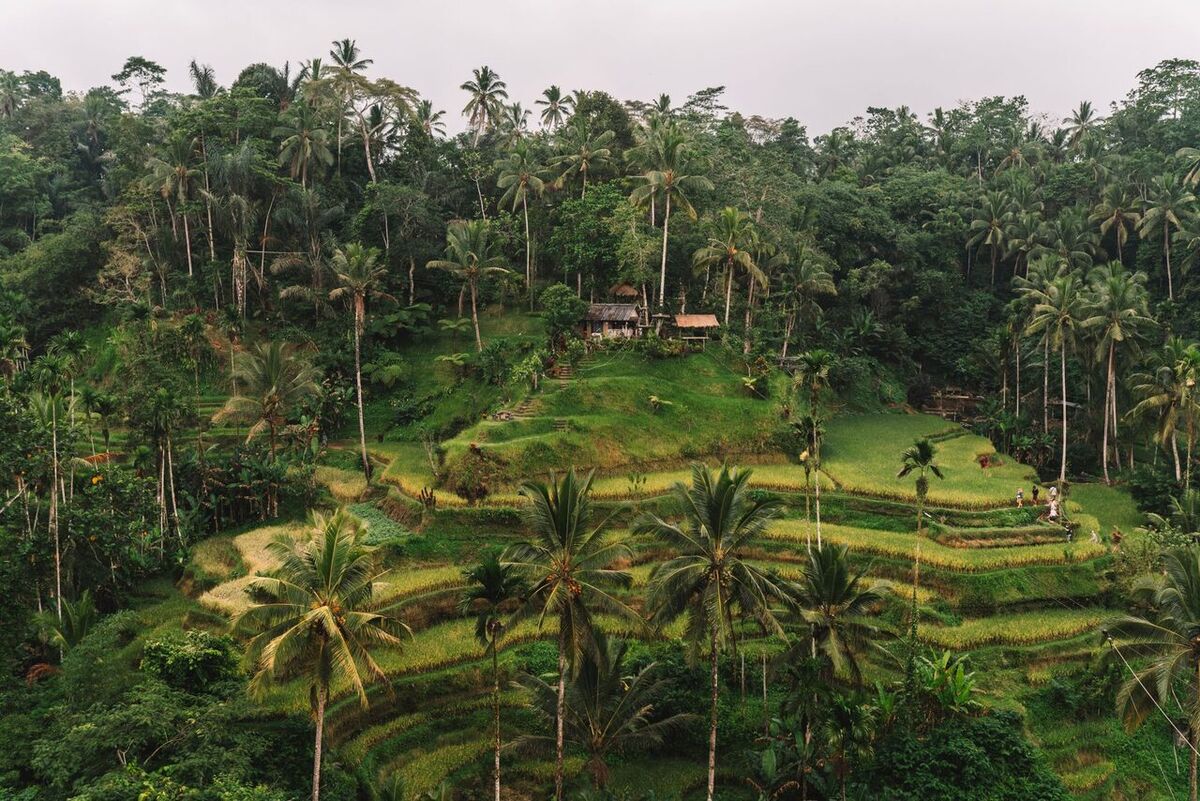
- Keep sliding doors and screens shut, especially in villas next to rice fields, rivers or bamboo.
- Lilley recommends trimming branches that touch the roof, as they act as highways for snakes and rats.
- Check shoes and towels left outside before using them.
One thing people forget: snakes offered for paid photos at attractions are not a safe way to get to know them, and there are rules about it, see can you take paid photos with snakes in Bali. Other rules visitors should know are on our Bali rules page.
FAQ
Does travel insurance cover snakebite?
It usually falls under emergency medical care, but check your policy and keep every hospital receipt.
Can snakes get into villa pools?
Yes, especially after rain. Do not swim with a snake in the pool; ask staff to lift it out with a long net or call a rescuer.
Should you bring the snake to hospital?
No. A photo from a safe distance is enough. Trying to catch the snake only adds another victim.





Commenti 0
Ancora nessun commento. Lascia tu il primo!