Bali is hitting 35°C more often this month, and the riskiest hours to be active outdoors are 10:00-16:00 WITA, with UV peaking from 11:00 to 14:00. BMKG says this is still normal for November, but high humidity makes it harder for the body to cool down, so heat exhaustion is a real risk for visitors.
How hot is Bali this week?
The BMKG Region III office in Denpasar recorded a maximum of 35°C at the Sanglah Geophysics Station, Denpasar, over the three days to 16 November 2026. On Sunday 15 November, three stations recorded quite different readings:
- Sanglah Geophysics Station, Denpasar: 27-35°C.
- Jembrana Climatology Station: 26-33°C.
- Ngurah Rai Meteorology Station, Badung: 24-32°C.
That 35°C was the highest reading since the start of November. The range is similar to October, but it is happening more often. BMKG says there is no anomaly and temperatures remain within the climatological average.
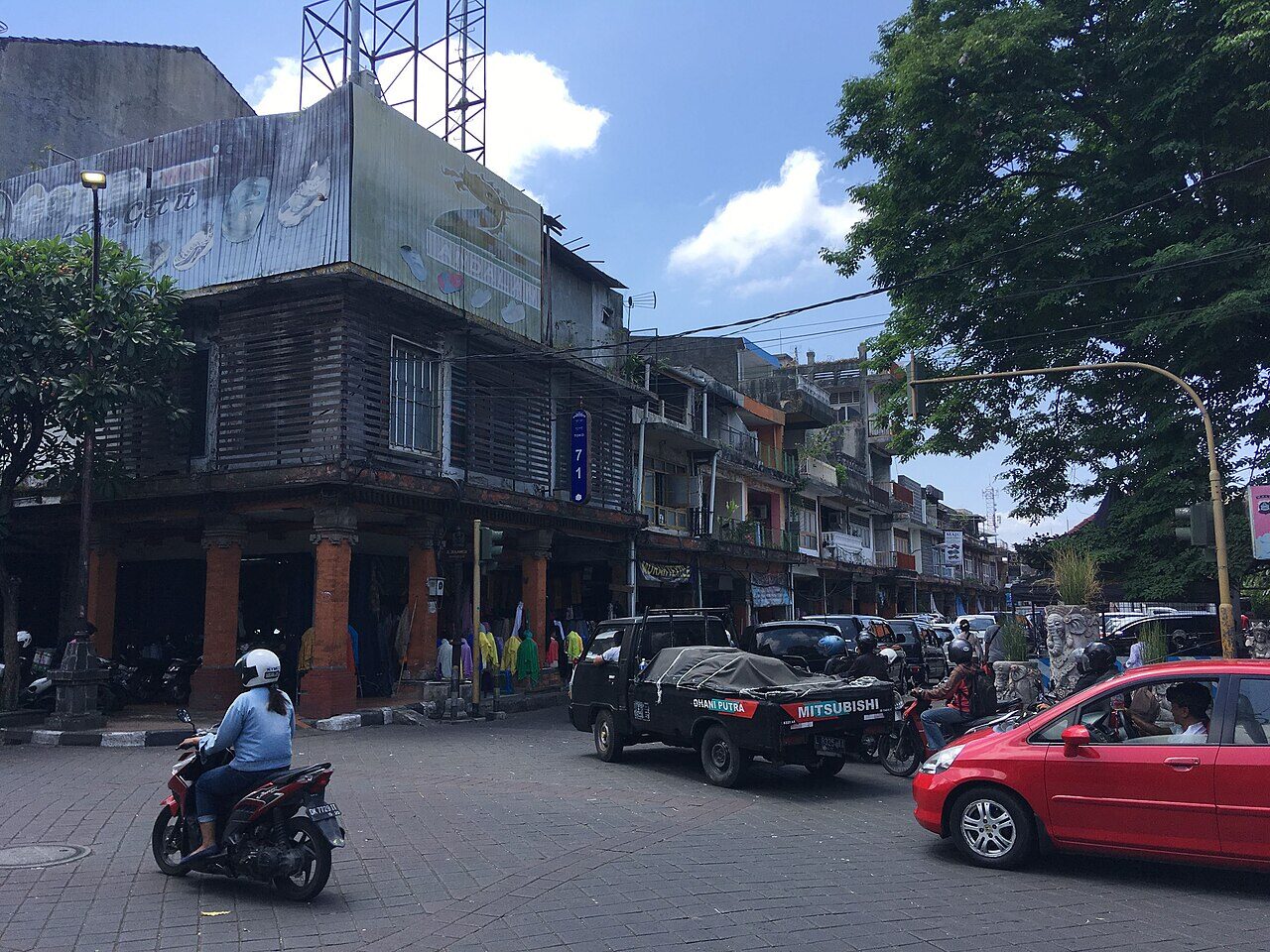
A practical takeaway from that data: on the same day, central Denpasar was three degrees hotter than the airport area by the sea. A city tour of Badung Market, the Bali Museum, or shopping on Jalan Gajah Mada feels much harder at midday than sitting on a breezy beach in Kuta or Sanur.
Why is it so sticky when the rainy season has started?
BMKG gives three reasons. First, the sun is over the southern hemisphere, so Bali gets strong sunshine. Second, winds during the seasonal transition slow down and shift, so heat escapes the land slowly. Third, humidity near the surface is high, so sweat evaporates slowly, and evaporating sweat is the body's main way of shedding heat. That is why nights still feel stuffy and a fan in a homestay room often is not enough.
Hours to avoid
BMKG Denpasar expects UV in Bali to be "very high" from 11:00 to 14:00 WITA and advises minimising sun exposure from 10:00 to 16:00. BMKG's UV scale: 0-2 low, 3-5 moderate, 6-7 high, 8-10 very high, 11 and above extreme. Sand and water reflect sunlight, so exposure on the beach is greater than on the street.
In practice this means:
- Rice-field walks at Jatiluwih, Tegallalang, or Campuhan Ridge: start before 08:00 or after 15:30.
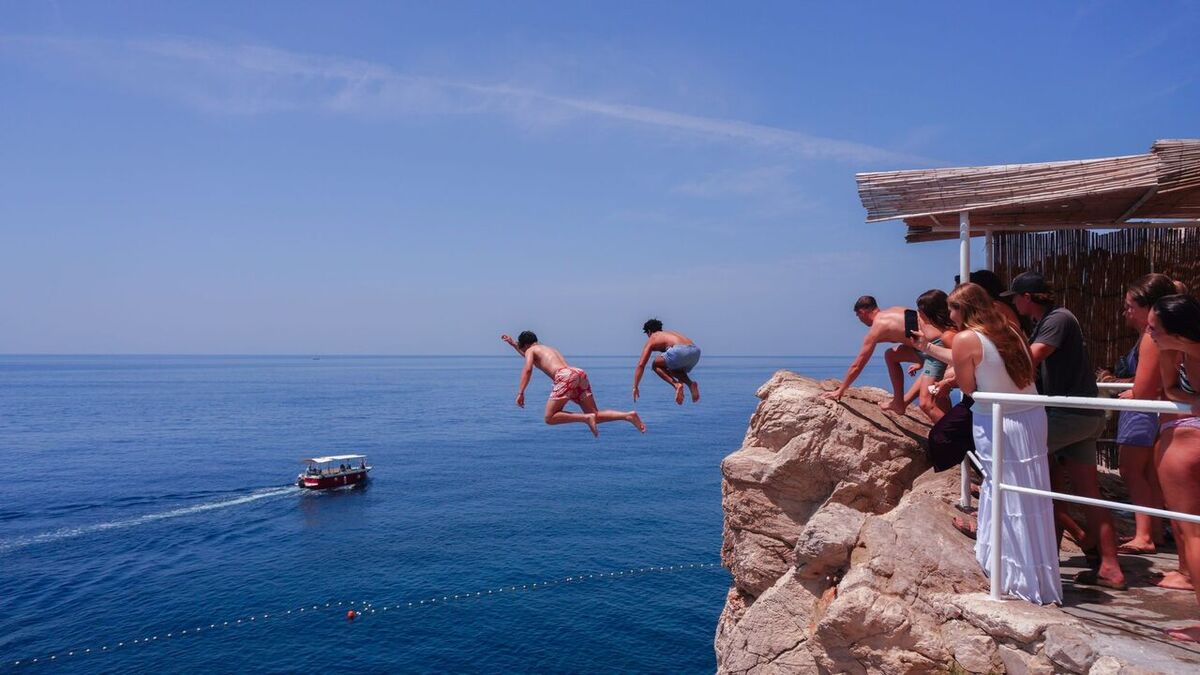
- Snorkelling and swimming: mornings are better, and the sea is usually calmer too.
- Long scooter rides from 11:00 to 14:00: the backs of your hands and neck burn fastest. Wear a thin long-sleeved jacket.
- Midday: plan an air-conditioned museum, a spa, lunch indoors, or a nap.
Heat exhaustion vs heatstroke
Heat exhaustion usually shows as heavy sweating, dizziness, nausea, muscle cramps, and weakness. Stop, move somewhere cool, drink water and oral rehydration salts, wet your skin, and loosen clothing. If you feel better within 30-60 minutes, rest is enough.
Heatstroke is a medical emergency with a high death rate. Signs include hot skin, confusion or slurred speech, fainting, or seizures. Call 112, cool the person with water and a fan while you wait, and never give drinks to someone who is unconscious.
The World Health Organization lists the most vulnerable groups as people over 65, infants and young children, people with heart, lung, or kidney disease or diabetes, and anyone working or exercising outdoors. WHO advises drinking about one cup of water an hour, at least 2-3 litres a day, and spending 2-3 hours a day somewhere cool. Never leave a child in a parked car, even "for a minute" while the driver waits in a temple car park.
What to pack
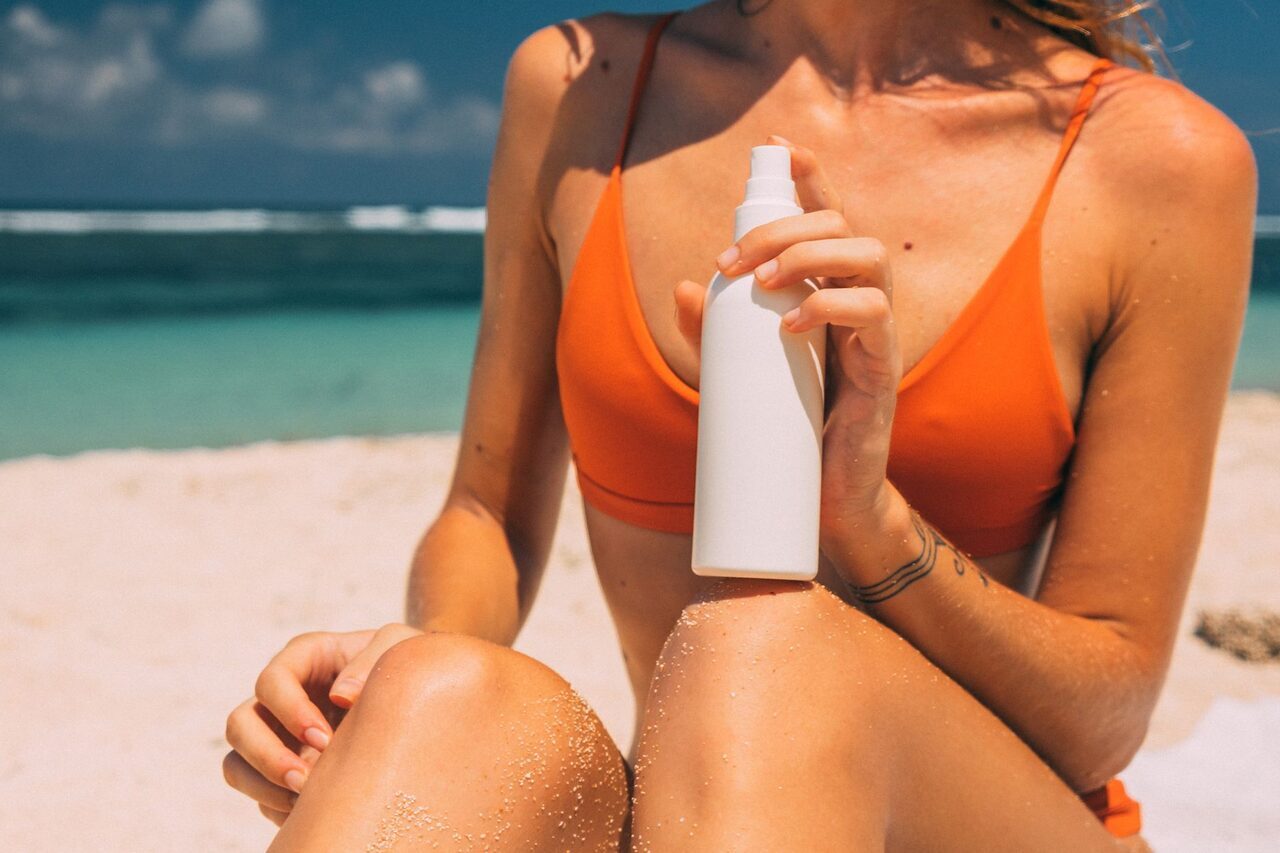
- SPF 30+ sunscreen, reapplied every two hours and after swimming. BMKG's advice applies even on cloudy days.
- A wide-brimmed hat and UV-blocking sunglasses.
- Oral rehydration sachets (oralit). They are cheap and sold in minimarkets and pharmacies.
- A refillable bottle. Many cafes and hotels in Canggu, Ubud, and Sanur offer water refills.
- Go easy on alcohol in the daytime, as it makes dehydration worse.
Afternoon showers have started in some places, so the weather can change quickly. Follow BMKG's daily forecast and read when Bali's rainy season starts. For a comparison with last month's heat, see our October 2026 Bali heat article. For rehydration salts and late-night medicine, see 24-hour pharmacies in Bali. When swimming, also learn what the beach flags and currents mean in Bali.
FAQ
Is 35°C in Bali dangerous?
For healthy people who drink enough and stay in the shade at midday, generally not. The risk rises for older people, young children, people with chronic illness, and anyone trekking or riding for long periods in the middle of the day.
Which areas are cooler?
Highland areas such as Bedugul, Munduk, and Kintamani are much cooler than Denpasar. In the south, breezy beaches feel more comfortable than the city centre.
How long will this sticky weather last?
BMKG has not given a date. The muggy feeling usually eases once rain falls more regularly as the wet season sets in.
One habit that helps: do the most strenuous thing of the day in the morning, then use midday to eat, shelter, and rest. After 16:00 the sun is far kinder for the beach.
Sources: NusaBali, "Suhu Bali Lebih Sering Capai 35 Derajat di November" (16 November 2026, BMKG Region III Denpasar data); ANTARA Bali, BMKG Denpasar UV advisory; WHO fact sheet "Climate change, heat and health" (checked 18 November 2026).


Comments 0
No comments yet. Be the first to comment!