Cliff jumping in Bali is allowed, and it is relatively safer at managed spots such as Mahana Point on Nusa Ceningan, which has 5 m and 10 m diving boards and a ladder out of the water. The biggest risk is at unmanaged natural cliffs, and many travel insurance policies only cover cliff-jumping injuries if the activity is listed in the policy or you have bought an adventure add-on.
detikBali reported on 1 November 2026 that cliff jumping is becoming more popular in Bali as social media content, with jumps of roughly 4 to 13 metres. Some spots on Nusa Lembongan have been closed because the water got shallower or the sea turned dangerous, and many spots are not officially managed or watched by safety staff. Before you climb up, check the things people most often miss.
1. Pick a managed spot, not a viral cliff
Blue Lagoon on Nusa Ceningan has several ledges at around 4, 6, 8 and up to 13 metres, but waves below can slam hard into the rock. Mahana Point, on the other side of Blue Lagoon near Pura Batu Melawang, is more controlled thanks to its boards and ladder. You pay per jump rather than an entry ticket: about Rp25,000 for the 5 m board and Rp50,000 for the 10 m board, paid at the clifftop restaurant, with free scooter parking (last recorded in February 2026, bring cash). Location details are in our Mahana Point article.
2. Check the tide and the swell that day
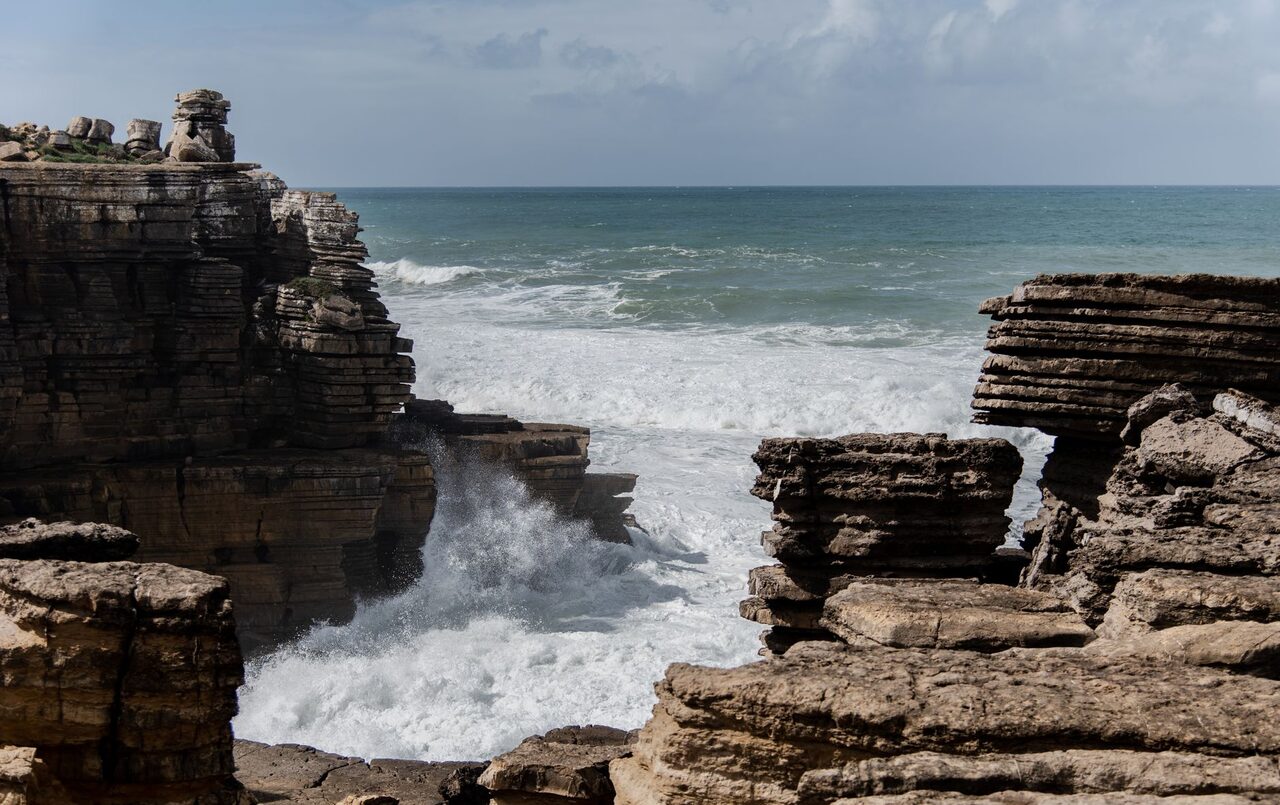
Depth under the boards changes with the tide. At low tide the reef can sit too close to the surface. On big swell days, getting out of the water is harder than the jump itself. Ask the board attendant or locals whether conditions are safe, then watch a few people go first. November is the transition into the wet season, so wind and waves can change within hours.
3. Plan your exit from the water before you jump
The case most often cited by Australian media happened at Mahana Point in October 2018: a 44-year-old man from Western Australia jumped from the board, got out of the water and walked to Blue Lagoon Beach, then collapsed about half an hour later and died. His family relayed the local doctor's view that he suffered a heart attack after swimming hard against a rip. The lesson is simple: the jump is only half the risk; the other half is swimming back to the ladder. If you are not a confident ocean swimmer, take the 5 m board or just watch.
4. Don't jump after drinking
The clifftop bars sell beer, and plenty of people jump after a drink or two. Alcohol slows your reactions in the water and is almost always a reason for an insurer to deny a claim. Jump first, drink later.
5. Read your insurance policy, especially if you're Australian
For Australians, who make up a large share of visitors to Nusa Lembongan and Ceningan, this is the part that often comes as a surprise. Travel policies usually separate "risky activities" from ordinary holidays. Look for cliff jumping, tombstoning, or high diving in the exclusions, and check for any height limit. If it isn't mentioned, ask your insurer in writing before you fly. Evacuation from a small island to a Denpasar hospital and then home to Australia can be very expensive; estimates are in our article on medical evacuation costs from Bali to Australia, and what to check in a policy is in our travel insurance article.
6. What does Indonesian law require of operators?
Law No. 10 of 2009 on Tourism, Article 20(f), gives tourists the right to insurance protection for high-risk tourism activities, and Article 26(d) and (e) require tourism businesses to provide security and safety, and insurance for businesses with high-risk activities. Businesses that breach this face administrative sanctions under Article 63, from written warnings to suspension. The catch is that these duties fall on businesses. A natural cliff with no operator has nobody to hold responsible, so the risk there is entirely yours. At paid spots, ask whether the operator has visitor insurance and keep your receipt.
7. Small kit that helps
- Reef shoes or non-slip sandals for wet, slippery rock.
- Jump feet first, arms tight to your body.
- Never jump alone; make sure a friend is holding a phone and knows the emergency number 112.
- Check the landing zone from above: driftwood, loose rocks, or passing boats.
One last tip: arrive in the morning, before the island-hopping tour groups that usually stop by around midday, when the queue at the boards is shorter and you won't feel pushed to jump in a hurry. Other rules for visitors are on the Bali rules page.
FAQ
Is cliff jumping officially banned in Bali?
There is no island-wide ban. Individual spots can be closed by the operator or village when the sea is dangerous or the water too shallow, so follow warning signs and local advice.
What is the minimum age to jump at Mahana Point?
Ask the board attendant directly, as the call can vary with the day and sea conditions. Children who aren't yet strong ocean swimmers shouldn't jump from the 10 m board.
Is jumping off the cliffs at Uluwatu or Nusa Penida safe too?
The high cliffs at Uluwatu and Nusa Penida are not managed jump spots. The waves are big, the reef is shallow, and there is almost no way out of the water, so don't try it.
Sources: detikBali 1 November 2026 (cliff jumping growing in Bali), Jonny Melon Mahana Point guide updated February 2026 (5 m and 10 m board fees), NZ Herald 15 October 2018 (Australian tourist's death at Mahana Point), Law No. 10 of 2009 on Tourism, Articles 20, 26, 63 (Wikisource) (checked 14 November 2026).



Comments 0
No comments yet. Be the first to comment!