The official currency in Bali is the Rupiah (IDR), and managing money here is actually easy — as long as you know where to exchange, how to pay, and the traps to avoid. This 2026 guide covers how to exchange money safely, withdraw cash, pay with QRIS, and tips to avoid rates that look too sweet. Because Bali is so tourist-friendly, almost everything can be paid with a mix of cash and digital — but a little caution will save you from unnecessary losses.
Authorized Money Changers: Look for the Official Logo
Always prioritize authorized money changers licensed by Bank Indonesia. Look for outlets with the 'Authorized Money Changer' logo or established companies like BMC and Central Kuta, which have many branches and transparent rates.
- Avoid small booths in narrow alleys offering rates far above the market — that's a classic scam signal.
- Common tricks: sleight-of-hand (recounting your money then hiding part of it) and hidden commissions that only appear at the end.
- Count your money yourself, note by note, before leaving the counter, and don't hand back a stack you've already counted.
- Ask whether there's commission before the transaction, and request the final rate in writing if needed.
- Bring foreign cash in large, crisp denominations — worn or torn notes are often rejected or valued lower.
- Exchange during daytime when the counter is bright and busy, not at night in a quiet spot.
ATMs: Safe from Skimming
ATMs are widely available in Bali. A few key points:
- Per-transaction withdrawal limits are usually around Rp1.25 million–3 million depending on the machine and bank.
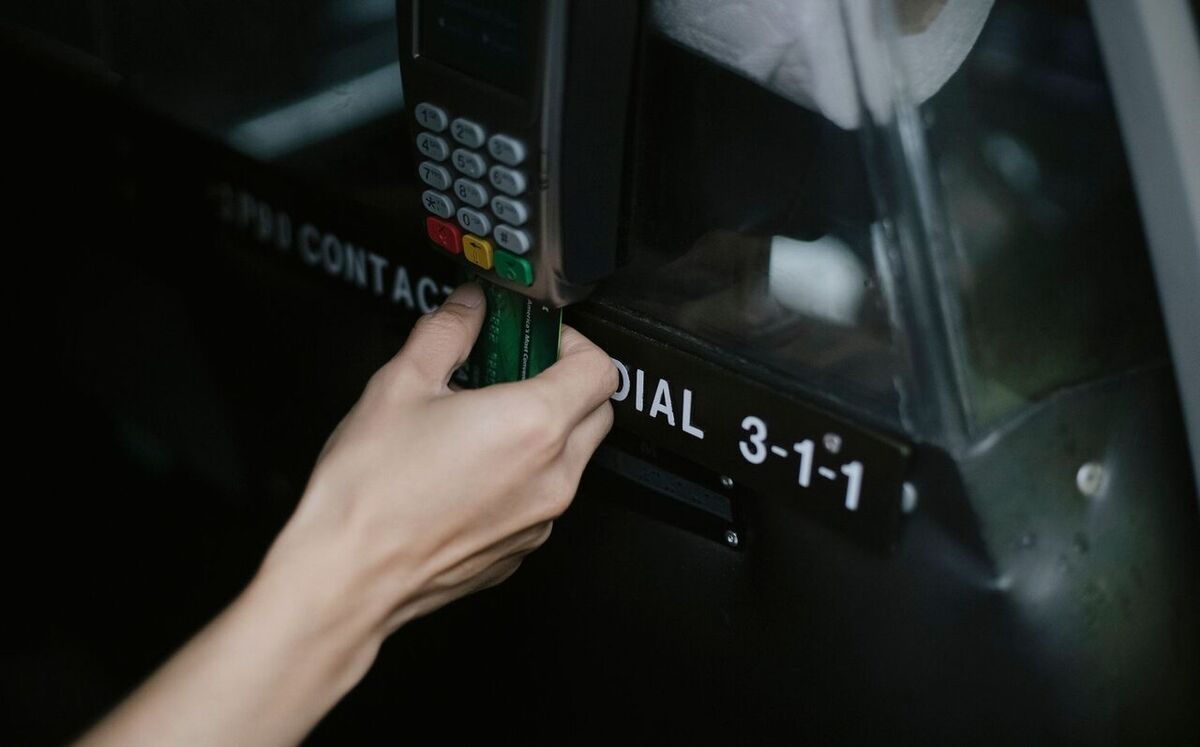
- Prioritize ATMs inside a bank or mall with security present — lower risk of skimming devices than street ATMs.
- Cover your hand when entering your PIN, and check for suspicious devices attached to the card slot.
- Enable transaction alerts from your bank so you'll immediately notice any unfamiliar withdrawals.
QRIS, Cards & Cash
Digital payments are increasingly dominant in 2026. QRIS can now be used by many tourists (some banks and digital wallets support cross-border payment), very handy for cafes, shops, and even modern warungs.
- Credit/debit cards are widely accepted at hotels, larger restaurants, and retail stores — though small surcharges sometimes apply.
- Cash remains important for warungs, traditional markets, parking, and motorbike taxis in areas that aren't fully digital yet.
- Keep small denominations for minor purchases so change isn't a hassle.
- Tell your bank before you travel so your card isn't blocked for foreign transactions flagged as suspicious.
Tipping & Payment Norms
- Tipping isn't mandatory but is appreciated. Many restaurants already add a service charge (often 5–10%); beyond that, rounding up or leaving a little extra for good service is enough.
- For drivers, guides, or hotel staff, a small tip as a thank-you is common and appreciated.
Must-Remember Anti-Scam Tips
- Avoid exchanging at the airport if you can — rates are usually less favorable; change only enough for initial transport.
- Compare rates at several authorized money changers before exchanging large amounts.
- Don't be tempted by rates far above average; a big difference almost always hides commission.
- Bring a mix of methods: some cash, a backup card, and one active QRIS wallet.
With your money strategy in order, you can refocus on what matters: enjoying your holiday. Compare prices and book a staycation hotel voucher at AccessiaPass to lock in the best stay in Bali at transparent prices — no fee surprises, no exchange-rate drama.





Bình luận 0
Chưa có bình luận nào. Hãy là người đầu tiên bình luận!