Bali belly is the popular name for travelers' diarrhea, and most cases clear up on their own in 1-3 days with enough oral rehydration salts (ORS). According to the CDC Yellow Book 2026 edition, antibiotics are not recommended for mild diarrhea. What you do need to watch for: bloody stools, fever, vomiting that will not stop, or signs of dehydration. That is when you go to a clinic. The information below is summarised from the CDC Yellow Book 2026 (Travelers' Diarrhea chapter) and an Indonesian Ministry of Health article (keslan.kemkes.go.id), checked September 2026. It does not replace a doctor's examination.
What causes Bali belly?
Mostly bacteria, viruses or parasites in contaminated food and drink. Common culprits the CDC lists for Southeast Asia include E. coli, Campylobacter and norovirus. Sources can be tap water, ice made from untreated water, raw vegetables rinsed in tap water, or unwashed hands. On water, read is tap water in Bali safe to drink.
What should I take first?
Oral rehydration salts. Indonesia's Ministry of Health calls ORS (oralit) the main fluid and electrolyte replacement for diarrhoea. Dissolve one sachet in 200 ml of boiled water, do not mix it with milk or sweet tea, and finish it within 24 hours. Oralit is sold at pharmacies and many minimarts in Bali. If you cannot find it, the ministry gives an emergency recipe: 2 teaspoons of sugar + ½ teaspoon of salt in 1 glass (about 200 ml) of boiled water. Sip little and often, especially after each bowel movement.
Can I take loperamide?
For mild to moderate diarrhoea without fever, the CDC says loperamide or bismuth subsalicylate can be considered, for example before a flight or a long drive. But do not take loperamide on its own if there is blood in the stool or a fever. Antimotility drugs can keep the germs in your gut. Children need a doctor's advice before any diarrhoea medicine.
Do I need antibiotics?
Usually not. The CDC grades severity by impact: mild diarrhoea (you can still carry on) does not call for antibiotics, moderate may be considered, and severe (incapacitating) is advised to be treated with antibiotics. The CDC also notes Campylobacter resistance to fluoroquinolones such as ciprofloxacin in Southeast Asia. Indonesia's Ministry of Health says antibiotics for diarrhoea should be used as directed by a doctor. So do not take a friend's leftover antibiotics or ask a pharmacy for them without a prescription; let a doctor choose the drug and dose.
When should I see a doctor or clinic?
- Blood or mucus in the stool.
- Fever, especially above 38.5°C, or chills.
- Constant vomiting so you cannot keep ORS down.
- Signs of dehydration: intense thirst, dry mouth, dizziness when standing, little dark urine, weakness.
- No improvement after 2-3 days, or severe abdominal pain.
- The patient is a baby, young child, older adult, pregnant, or has a chronic illness. For these groups, do not wait.
24-hour clinics in tourist areas can usually test stool and give an IV drip if needed. Private clinic visits and drips can add up for visitors, so check your policy first; see what to check in a travel insurance policy. Hospitals and emergency numbers are listed in our Bali health and emergency guide.
What should I bring from home?
A few ORS sachets, a small thermometer, and an antimotility drug for travel emergencies. If you have a chronic condition, are pregnant, or are travelling with children, see a doctor before you leave. A doctor can prescribe a standby antibiotic with clear instructions on when to take it, so you are not guessing at a pharmacy counter. Keep medicines in their original packaging with a copy of the prescription.
What can I eat while it lasts?
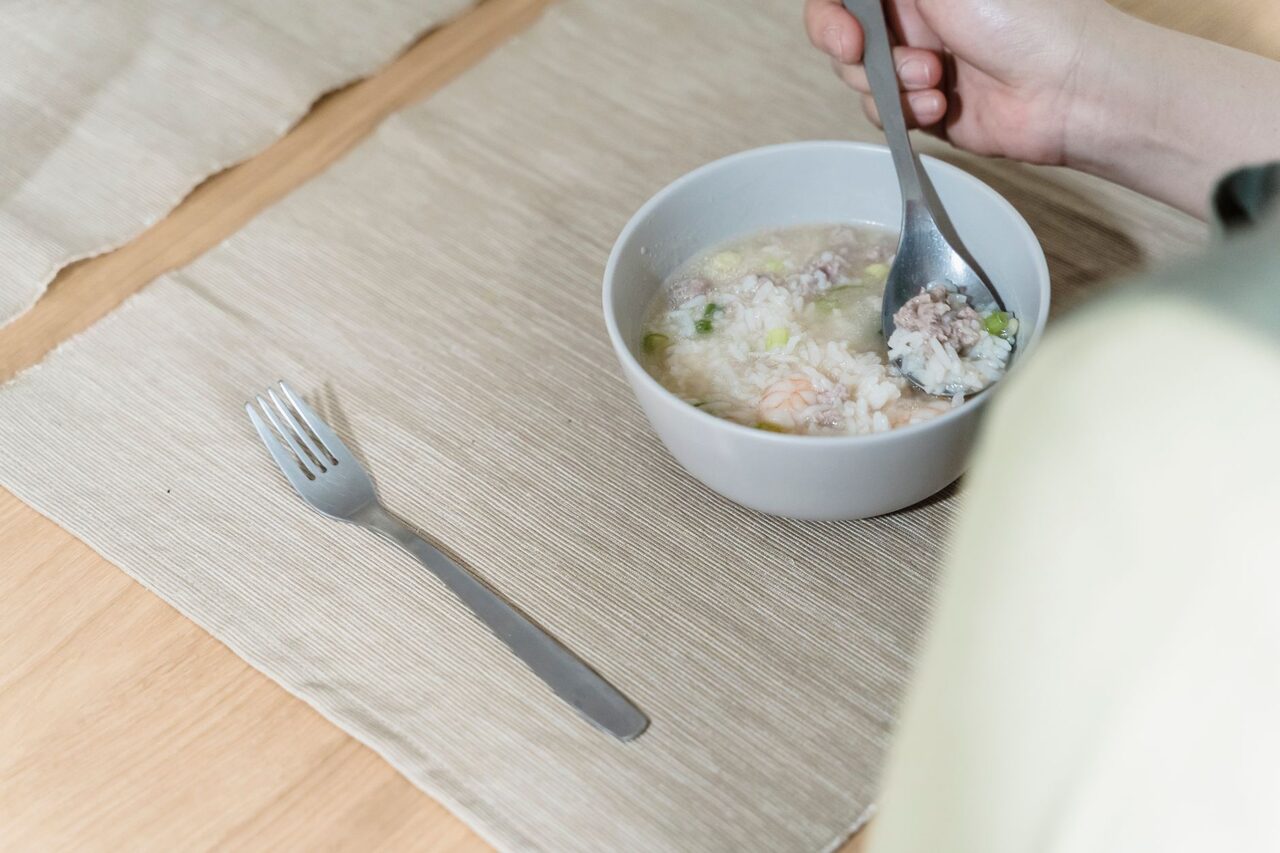
The Ministry of Health advises soft food and avoiding spicy, fatty food and alcohol. Rice porridge, plain rice, white bread, bananas and clear soup are easy on a sensitive stomach. Put coffee and fizzy drinks on hold.
How do I prevent it?
- Drink sealed bottled water or refills from your hotel's dispenser; use the same water to brush your teeth if your stomach is sensitive.
- Choose food that is cooked through and still hot. Fruit you peel yourself is safer than salad.
- Ice in larger restaurants and cafés usually comes from factory-made tube ice; at roadside stalls, skip the ice if unsure.
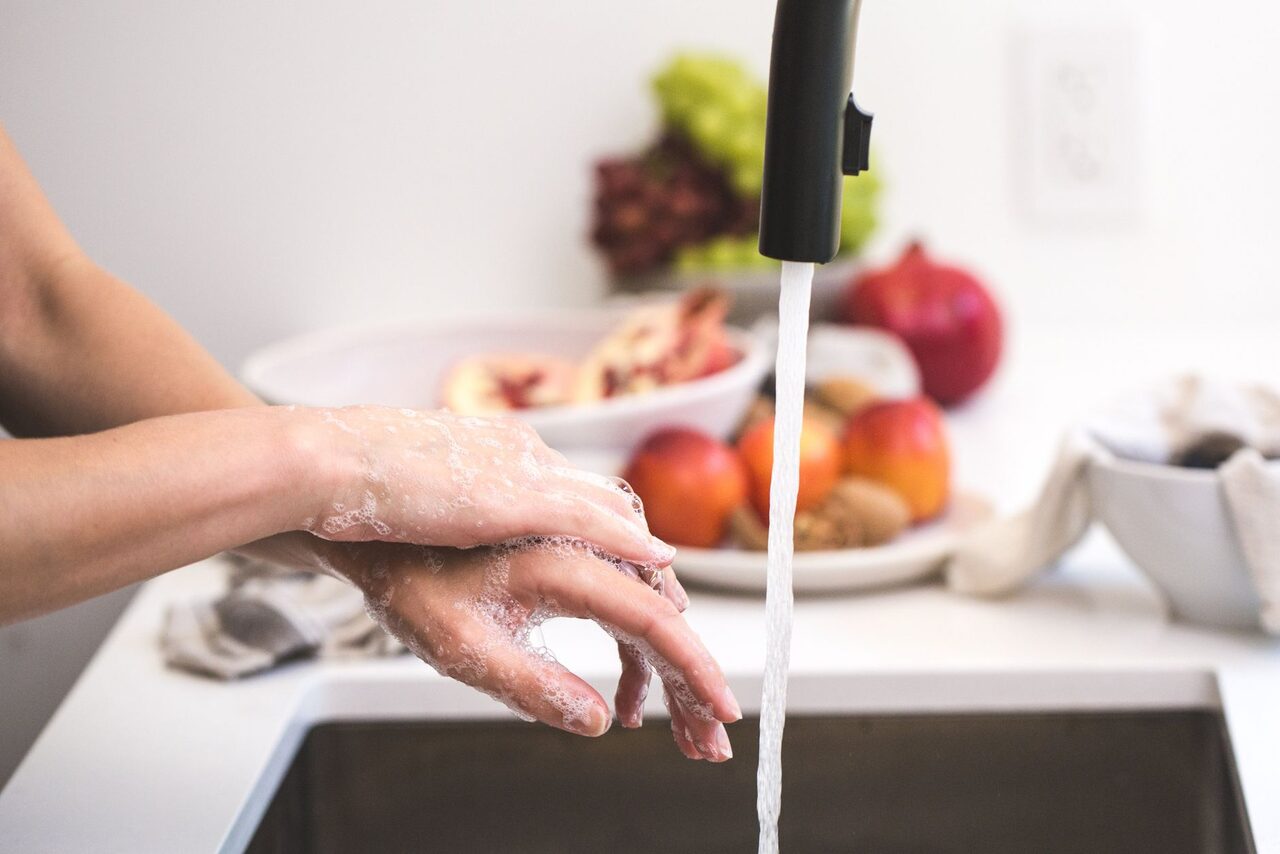
- Wash hands with soap before eating. Hand sanitiser helps but works poorly against norovirus.
- According to the CDC, bismuth subsalicylate can cut the risk by about half, but it has to be taken several times a day and does not suit everyone. Probiotics lack enough evidence to be recommended.
One practical tip: put a few ORS sachets in your day bag before you set out. Diarrhoea is most troublesome on the road to Nusa Penida or Kintamani, far from a pharmacy.




Bình luận 0
Chưa có bình luận nào. Hãy là người đầu tiên bình luận!