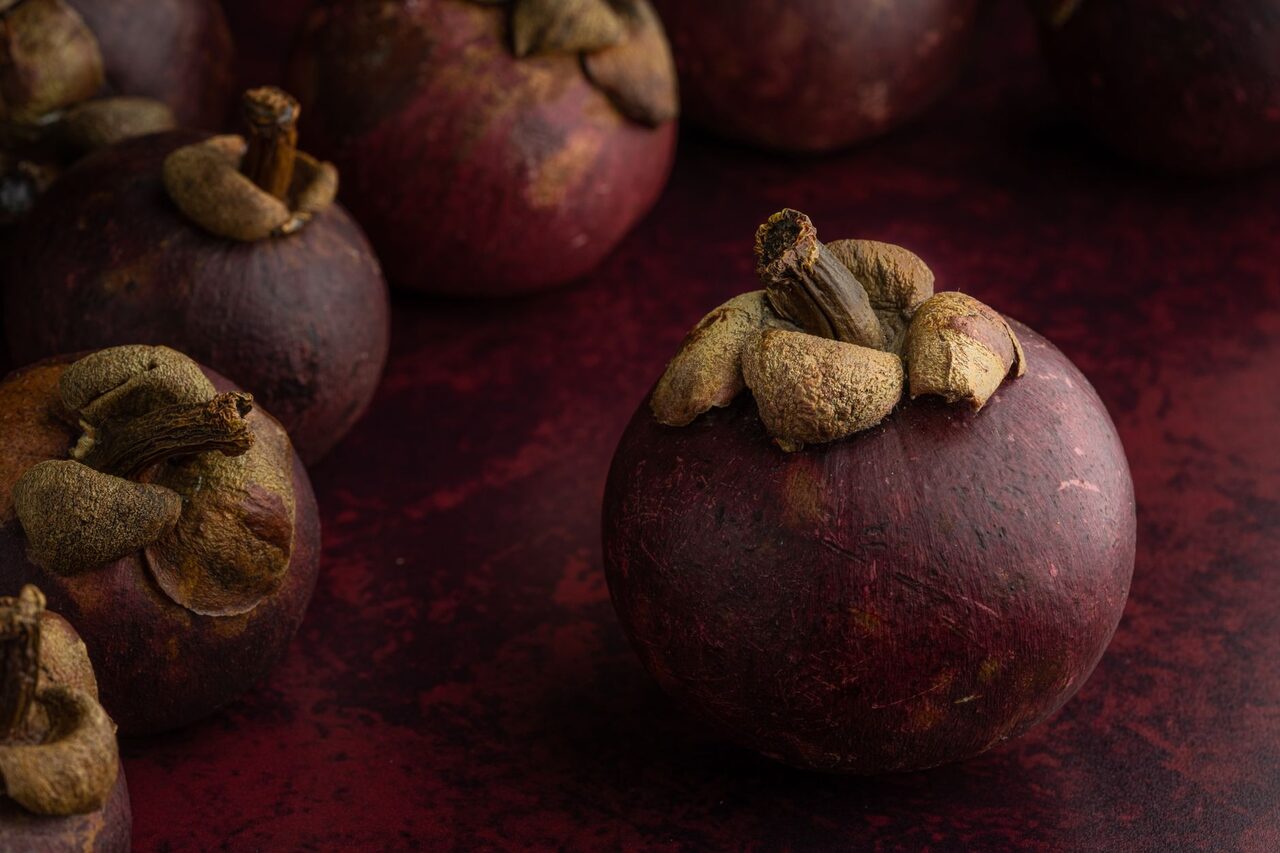
Every meat product from Bali, including abon (shredded beef), dendeng (jerky), packaged rendang, sausages and pork crackling, is barred from Japan unless it carries an Indonesian government inspection certificate, and that certificate is practically impossible to get for personal souvenirs. Fresh tropical fruit such as mango, mangosteen and rambutan is also refused, while roasted coffee, meat-free snacks, tea and handicrafts usually pass.
The answers below were checked on 21 October 2026 against the Animal Quarantine Service of Japan's Ministry of Agriculture, Forestry and Fisheries (MAFF), Japan Customs, Indonesian Law No. 21 of 2019 on Animal, Fish and Plant Quarantine (peraturan.bpk.go.id), plus reporting by Suara Surabaya and a notice from Tokachi-Obihiro Airport.
Why is factory-packed meat refused too?
According to MAFF's Animal Quarantine Service, all meat and offal, raw or processed (jerky, ham, sausage, bacon, meat buns), must come with an official inspection certificate from the exporting country. Cooking, vacuum packing, buying it duty-free or carrying only a little does not create an exemption. Products from countries whose imports are suspended because of outbreaks such as foot-and-mouth disease (FMD) cannot enter at all.
Indonesia still records FMD. Suara Surabaya (28 January 2026) reported 839 livestock cases across 19 regencies of East Java as of 26 January 2026. So beef abon, canned rendang or seasoned satay from a Bali market should stay out of a Japan-bound suitcase entirely.
What is the penalty if you are caught?
Since 1 July 2020, Japan's Act on Domestic Animal Infectious Diseases Control allows up to 3 years' imprisonment or a fine of up to 3 million yen (50 million yen for businesses). Officers may also destroy the goods. A Tokachi-Obihiro Airport notice (July 2026) again reminded passengers to report at the animal quarantine counter before customs, and quarantine detector dogs are trained to find meat even in vacuum packs, in both carry-on and checked bags.
Which Bali souvenirs are fine and which are refused?
- Refused: abon, dendeng, rendang, satay, meatballs, sausages, babi guling, pork crackling, instant seasonings containing meat stock, and eggs in any form including salted eggs. Eggs and eggshells fall under animal quarantine.
- Refused: fresh mango, mangosteen, rambutan, papaya, lychee, longan, dragon fruit, guava and ripe banana. Other fresh fruit that is not banned still needs a phytosanitary certificate from the country of origin.
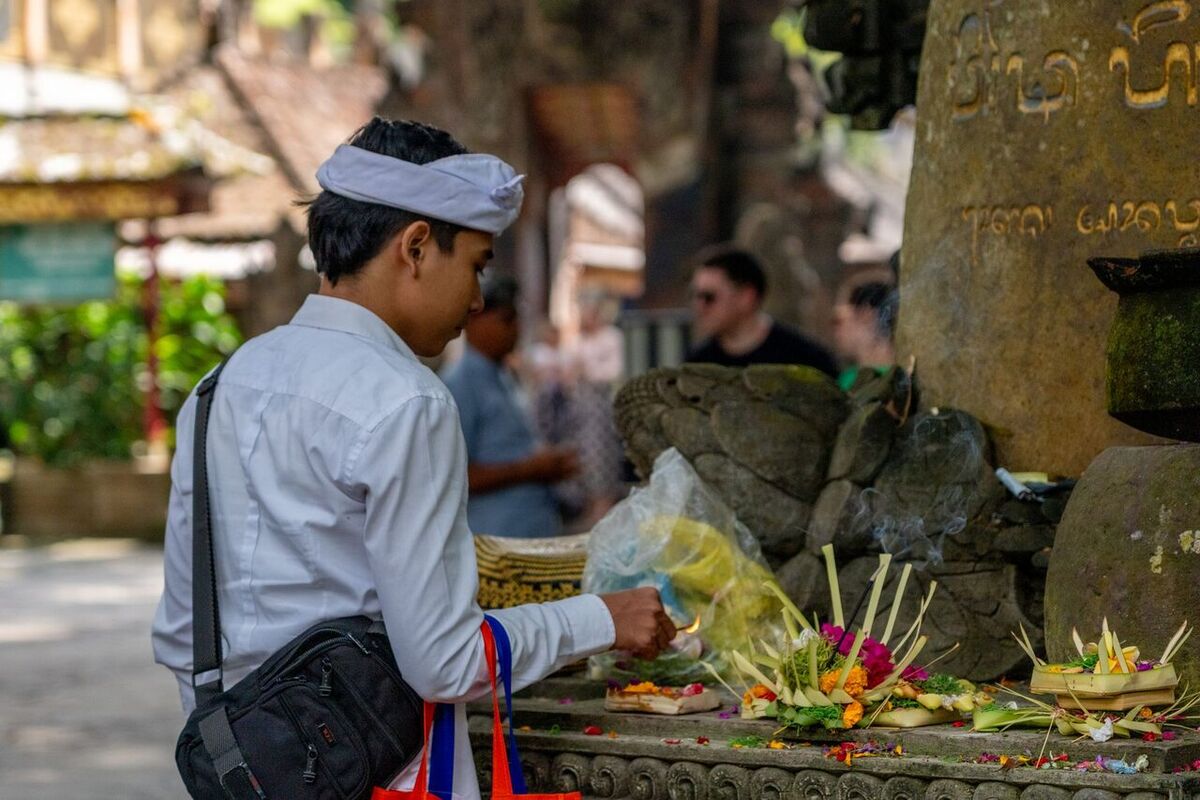
- Do not pack: soil, seeds, bulbs, and canang offerings or fresh flowers. Also clean trekking shoes still muddy from Batur or the rice fields, because MAFF asks travellers to remove soil before returning.
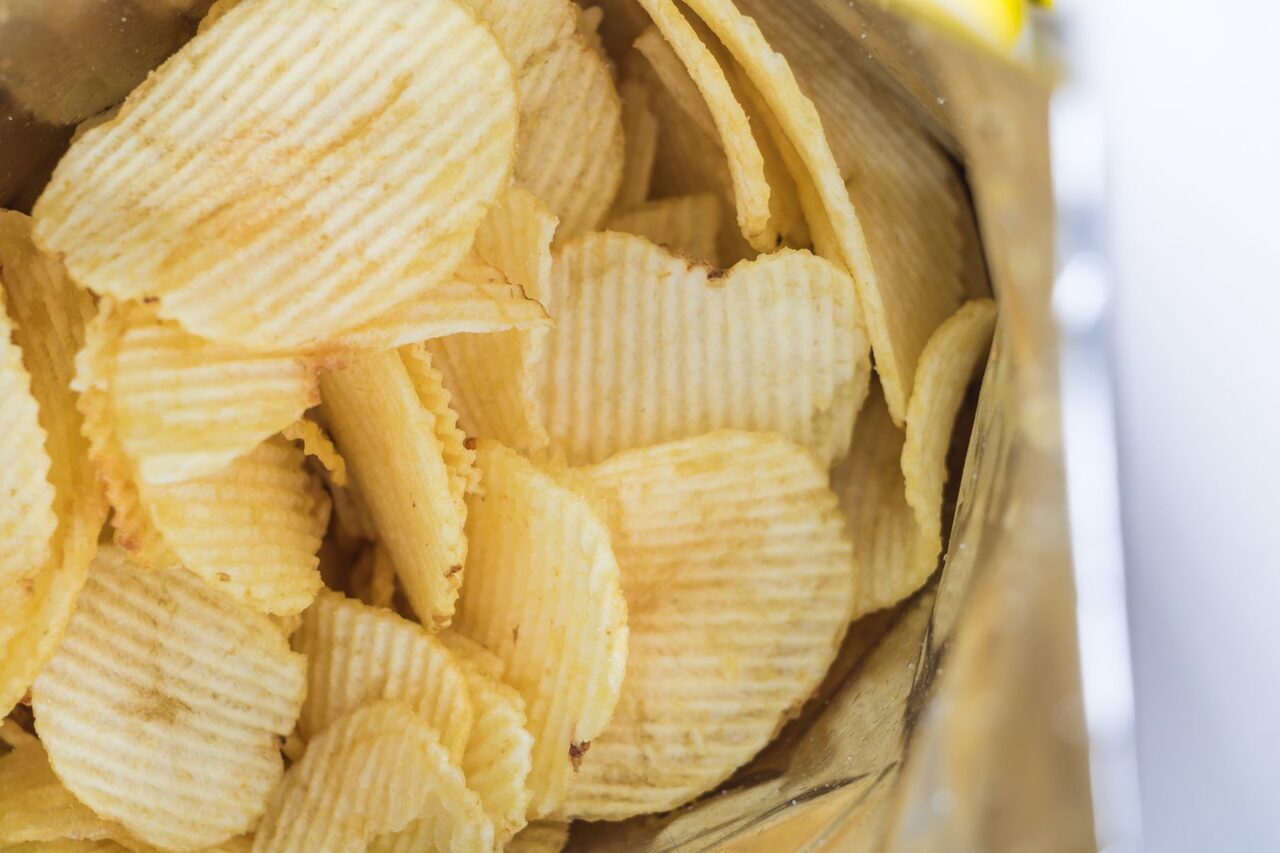
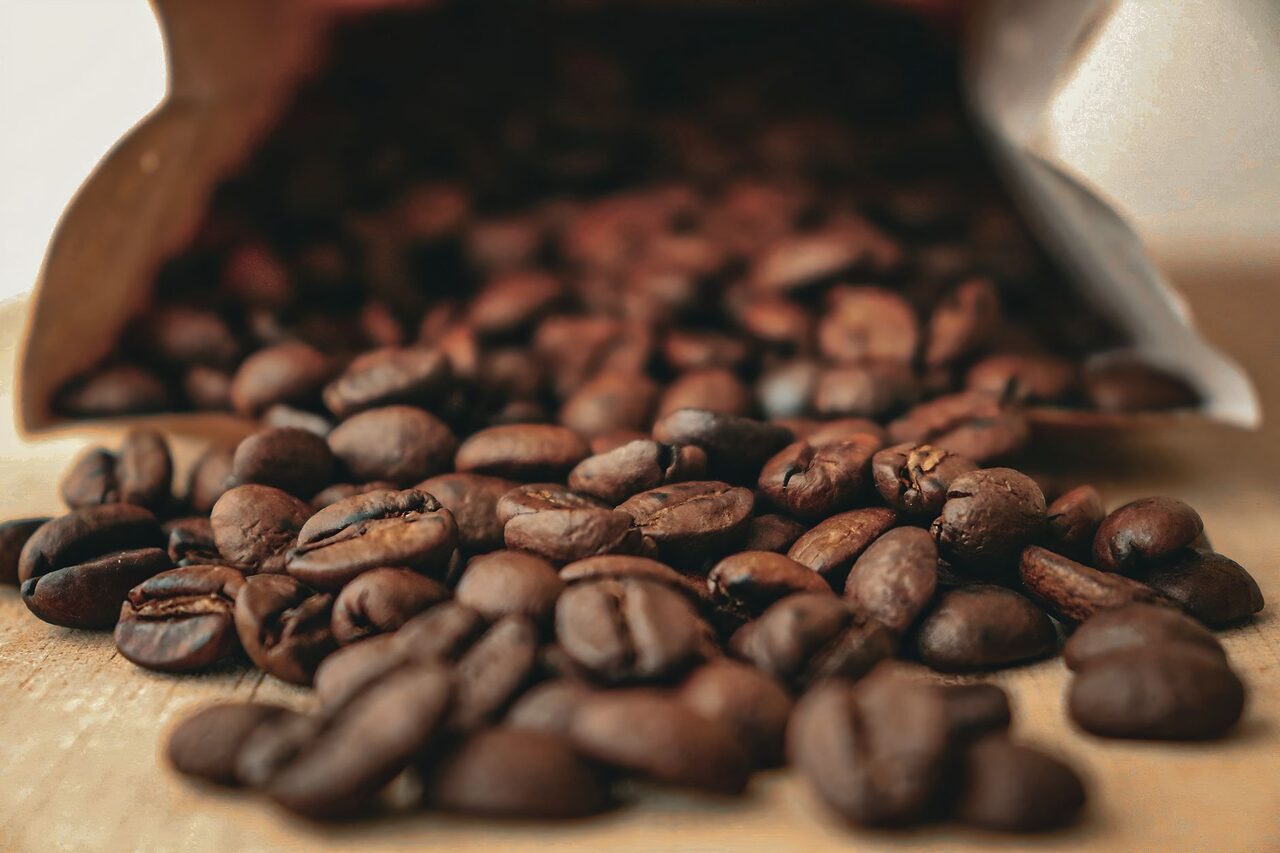
- Generally fine: ground or roasted coffee beans (kopi luwak included), tea, chocolate bars, cassava or banana chips, pia pastries and meat-free sambal in original labelled packaging. Factory-made dried fruit in sealed packs is also allowed.
- Not a quarantine matter: fabric, sarongs, batik, silver, jewellery, incense and finished wooden crafts. If a carving still has bark or insect holes, simply show it to an officer.
What about Balinese arak and cigarettes?
For travellers aged 20 and over, Japan Customs allows duty-free entry of 3 bottles of alcohol (760 ml each), 200 cigarettes, 2 ounces of perfume, and other goods worth up to 200,000 yen in total. Items of the same kind whose total value is 10,000 yen or less are not counted. Arak from Bali counts toward the 3 bottles, so make sure the bottle is factory sealed, since unlabelled home-mixed arak is a health risk.
Does Indonesia also check when you leave?
On paper, yes. Article 34 of Law 21/2019 requires anyone taking animals, animal products, plants or plant products out of Indonesia to obtain a health certificate, exit through a designated port and report to a quarantine officer. In practice, passengers with packaged food souvenirs are rarely checked at Ngurah Rai, but it is Japan's rules that decide what happens to your goods at Narita, Haneda or Kansai.
Items made from protected wildlife such as turtle shell and coral are illegal under Indonesian law from the start; see taking coral, shells or sand home from Bali. If you also fly to Australia, compare with what Australian airports confiscate, and old statues have their own rules in taking statues or antiques out of Bali. More rules are collected on the Bali rules for visitors page.
The order of checks on arrival in Japan
The animal and plant quarantine counters are in the baggage claim area, before the customs desks. If you carry food whose status you are unsure about, go to that counter first rather than waiting to be asked. According to MAFF, officers record your passport and boarding pass, so it can take time, and items whose packaging was opened before inspection may not be allowed. Only then do you pass customs with your declaration, which can be filled in beforehand through Visit Japan Web. The customs form is not a quarantine permit: clearing one desk does not mean clearing the other.
FAQ
I already bought abon. What should I do?
Finish it or leave it in Bali. If it ends up in your bag anyway, declare it at the animal quarantine counter on arrival in Japan. Declared goods will be destroyed, but you avoid the criminal risk of hiding them.
Does a chicken sandwich or rice box from Bali airport count?
Yes. Japanese airport notices say meat-containing food such as sandwiches and onigiri must still be reported at the animal quarantine counter. Eat it on the plane or throw it away before landing.
How much kopi luwak can I bring?
Roasted coffee is not subject to quarantine, so the only limit is the 200,000 yen duty-free value. Avoid green (unroasted) coffee beans.
One habit that makes arrival easier: pack all food souvenirs in a single separate bag with the original labels visible. If an officer asks, you open one bag instead of the whole suitcase.

Komen 0
Belum ada komen. Jadilah yang pertama memberi komen!