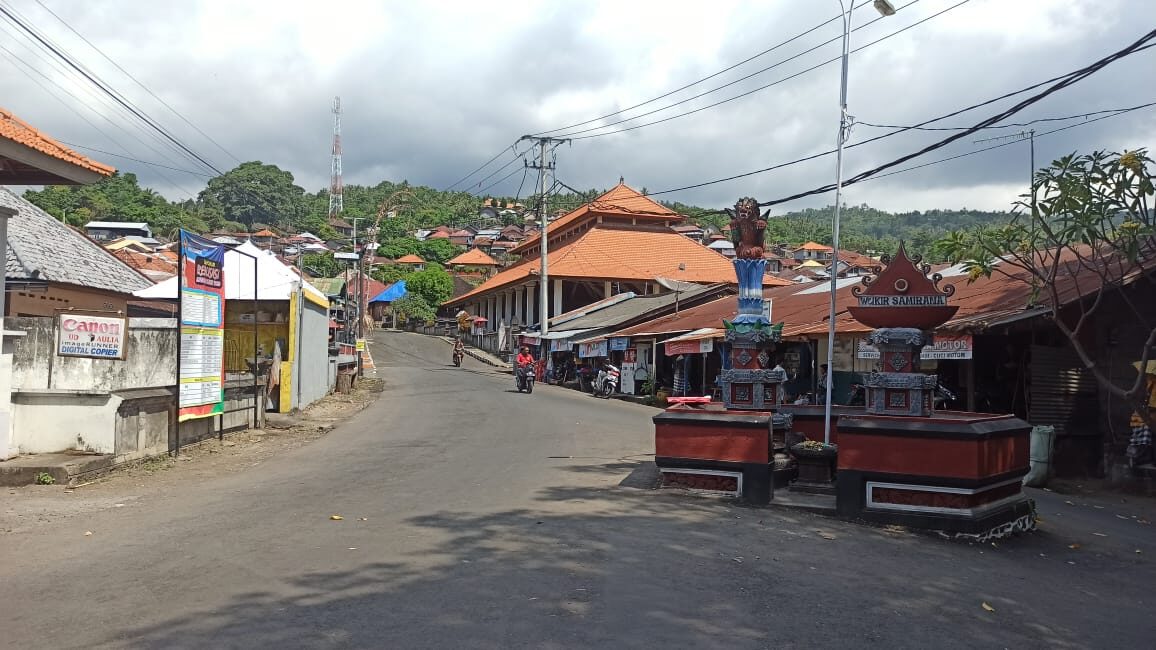
Julah's neighbour sits on the hill slopes above the coast of Tejakula district, Buleleng. Sembiran is a Bali Mula village (often called Bali Aga) governed by the ulu apad system, in which customary offices rotate according to the order of marriage rather than caste. It has more than 6,000 residents and is listed on the Tourism Ministry's Jadesta portal as “Desa Wisata Rumah Tua Desa Sembiran” (pioneer category).
Layers of History Rarely Found in Bali
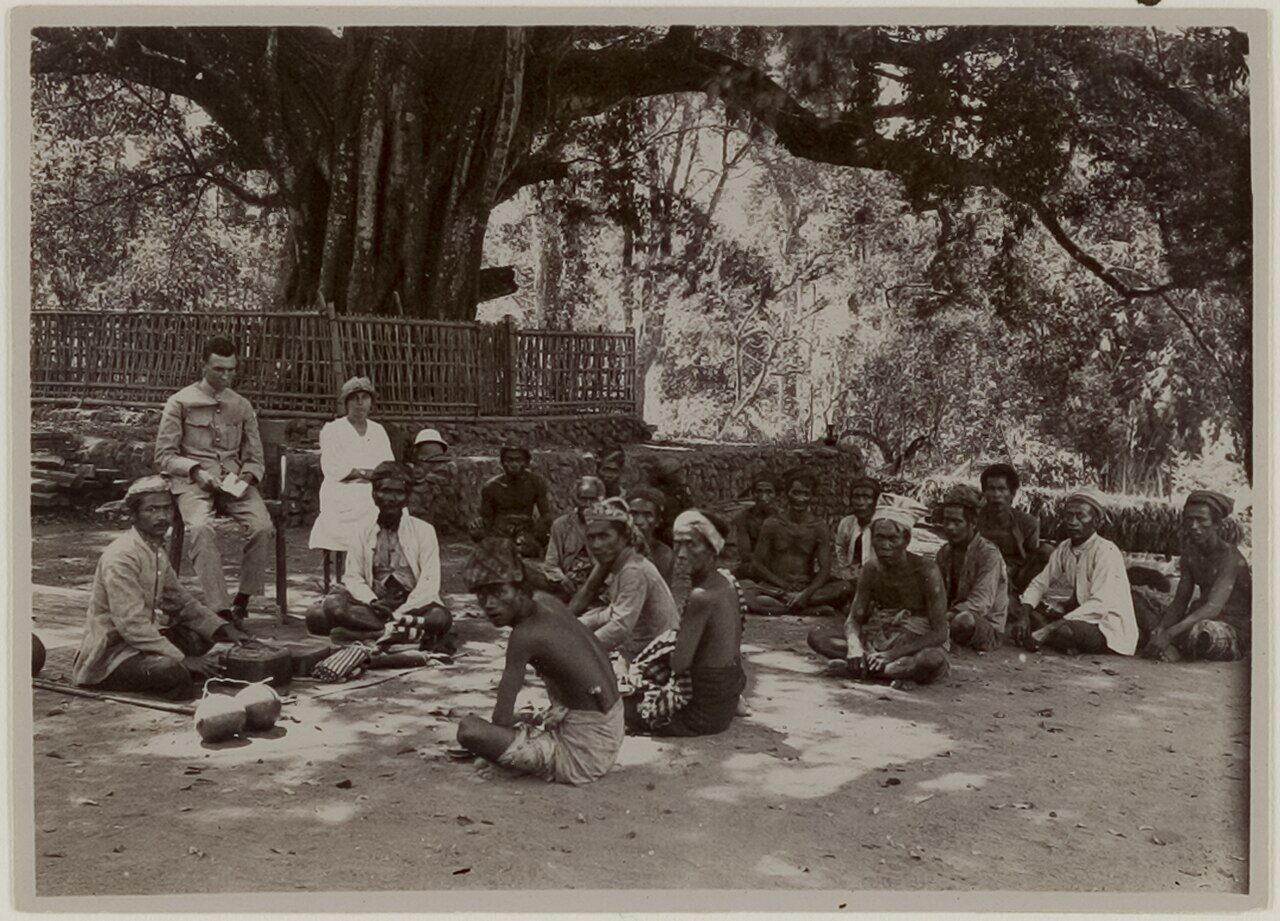
- Stone Age: research by R.P. Soejono (1961) found hand axes, hammerstones and flake tools classified as Palaeolithic, similar to finds from Pacitan in East Java.
- Megalithic: Made Sutaba's research (1971–1972) recorded megalithic elements, in the form of large stone arrangements, in 17 of Sembiran's 23 temples.
- Ancient Indian contact: excavations at Sembiran and Pacung uncovered Indian rouletted ware pottery — evidence of trans-oceanic trade from around the 2nd century BC to the 2nd century AD (Antiquity journal).
- Copperplate inscriptions: ten inscriptions dated 922/923–1181 CE, from Queen Ugrasena to King Jaya Pangus, first in Old Balinese and later in Old Javanese; one of them grants tax relief after the village was raided by pirates.
Custom, Sacred Dances & Weaving
- The kuta kurung settlement pattern: house compounds run in rows from the sea side up towards the hills, facing each other; the Bale Agung and Bale Kulkul at the village centre are sacred.
- Sacred dances such as Rejang Dewa, Nyong Nying, Baris Panah and Baris Jojor are performed only during ceremonies — there are no scheduled shows for tourists.
- Traces of 17th-century Muslim settlers live on in ritual: offerings without pork (baktian slem) are presented side by side with offerings containing pork (baktian bauwi).
- Sembiran's own cagcag weaving of bebali cloth is being revived through Dekranasda training (December 2022); a “Kain Bebali/Tenun Cag Cag” package is listed on the village's Jadesta profile.
Visiting Etiquette
- The inscription plates are sacred and may not be handled by just anyone; Bali Express (2020) reported that nine plates are kept at Pura Bale Agung. This is not a museum — please don't ask to see them.
- Wear a sarong and sash, ask permission before photographing residents or entering a temple, and do not climb onto sacred pavilions.
- There is a temple festival almost every full moon; on major ceremony days follow the instructions of the village officials.
Practical Info & Booking
- Location: Banjar Dinas Kanginan, Sembiran, Tejakula — View on Google Maps
- Access: about 31 km (45–60 minutes) from Singaraja, about 40 km (around 1 hour) from Lovina, about 90 km (2.5–3 hours) from Sanur via Kintamani–Kubutambahan; a private vehicle is the most practical option.
- How to visit: contact the Sembiran Pokdarwis (tourism group) a few days ahead via the email on its Jadesta profile ([email protected]) to arrange a local guide or a weaving demonstration. There is no official ticket counter; bring a voluntary dana punia donation.
- Instagram: search on Instagram
Combine Sembiran and Julah in one day from a base in Lovina or Singaraja — check AccessiaPass hotel vouchers for North Bali.

Commenti 0
Ancora nessun commento. Lascia tu il primo!