Get out of the water, rinse the sting with seawater (not fresh water), lift off any tentacles without rubbing, then soak the area in water as hot as you can comfortably bear, about 45°C, for 20 minutes. That is the first aid for a bluebottle, the jellyfish most often reported in Bali. For sea urchin spines, soak the foot in hot water and do not dig at spines that have broken off under the skin. The steps below follow Healthdirect (the Australian government health information service), the ANZCOR guidelines, and advice from Balawista and BPBD Denpasar, checked September 2026. This is first aid, not a substitute for seeing a doctor.
Which jellyfish turn up in Bali?
The one in the news most often is the bluebottle, a relative of the Portuguese man o' war, known locally as lateng layar or lateng biru. It looks like a clear blue balloon of 2-15 cm trailing long tentacles. On 27 July 2026 Balawista lifeguards in Denpasar found them at Segara Ayu Beach in Sanur and stepped up patrols from Segara Ayu to Semawang (detikBali, Bali Post). According to Balawista and Bali's marine and fisheries office, this happens almost every year around July to September, when strong winds and currents push them to shore. Bluebottles stranded on the sand can still sting.
Box jellyfish, which are far more dangerous, live in tropical waters too, and you rarely know for sure what stung you. So watch the symptoms: pain that keeps getting worse, breathing difficulty, or chest or back pain means getting medical help straight away.
Before you get in the water
- Check the warning boards or ask at the Balawista post. When jellyfish appear, BPBD Denpasar asks visitors not to swim or wade.
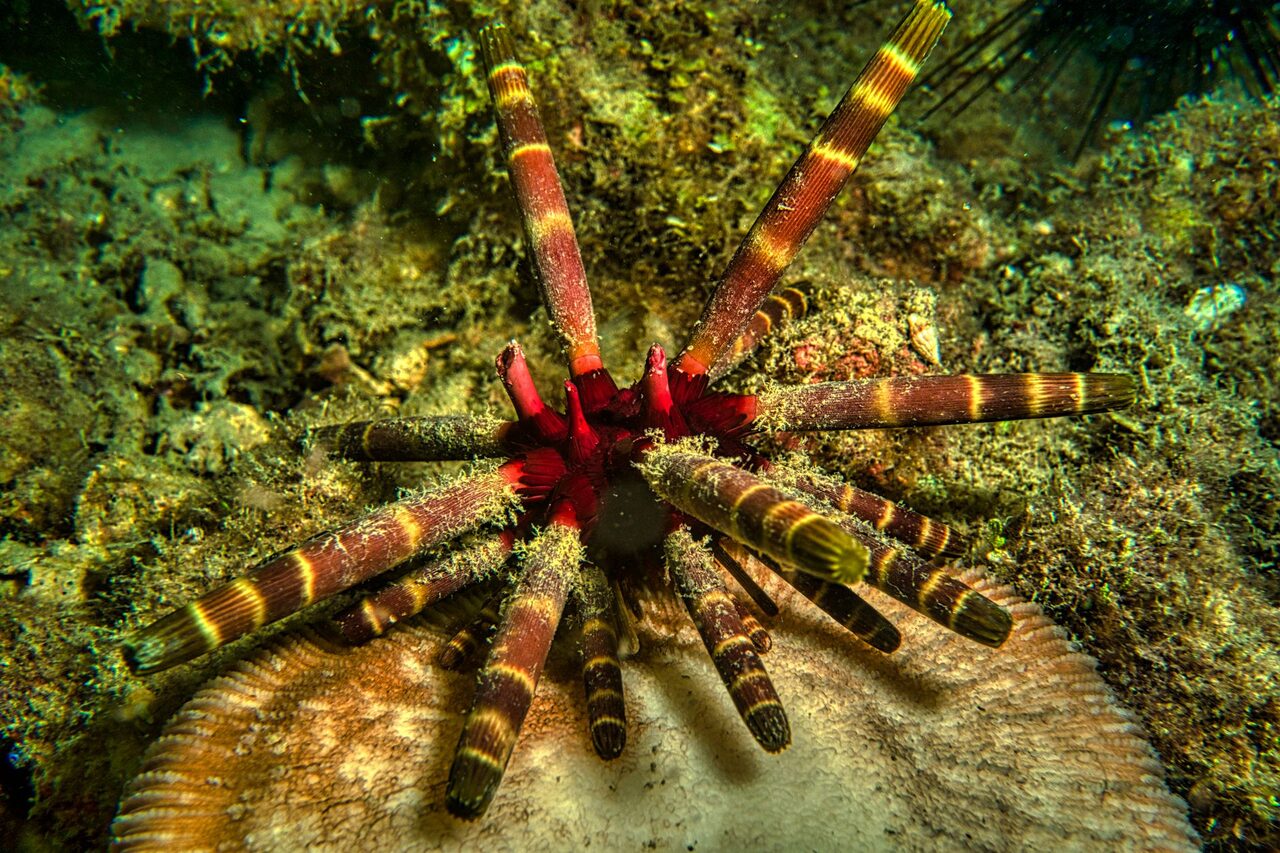
- Wear sandals on the sand and reef shoes when walking over shallow coral or rocky bottoms, where sea urchins cling.
- A long-sleeved rash guard cuts down exposed skin while snorkelling.
- Tell children not to touch the "blue balloons" washed up on the beach. They attract curious hands and the sting is very painful.
- Save the emergency number 112 and note the clinic nearest your hotel.
What to do after a jellyfish sting
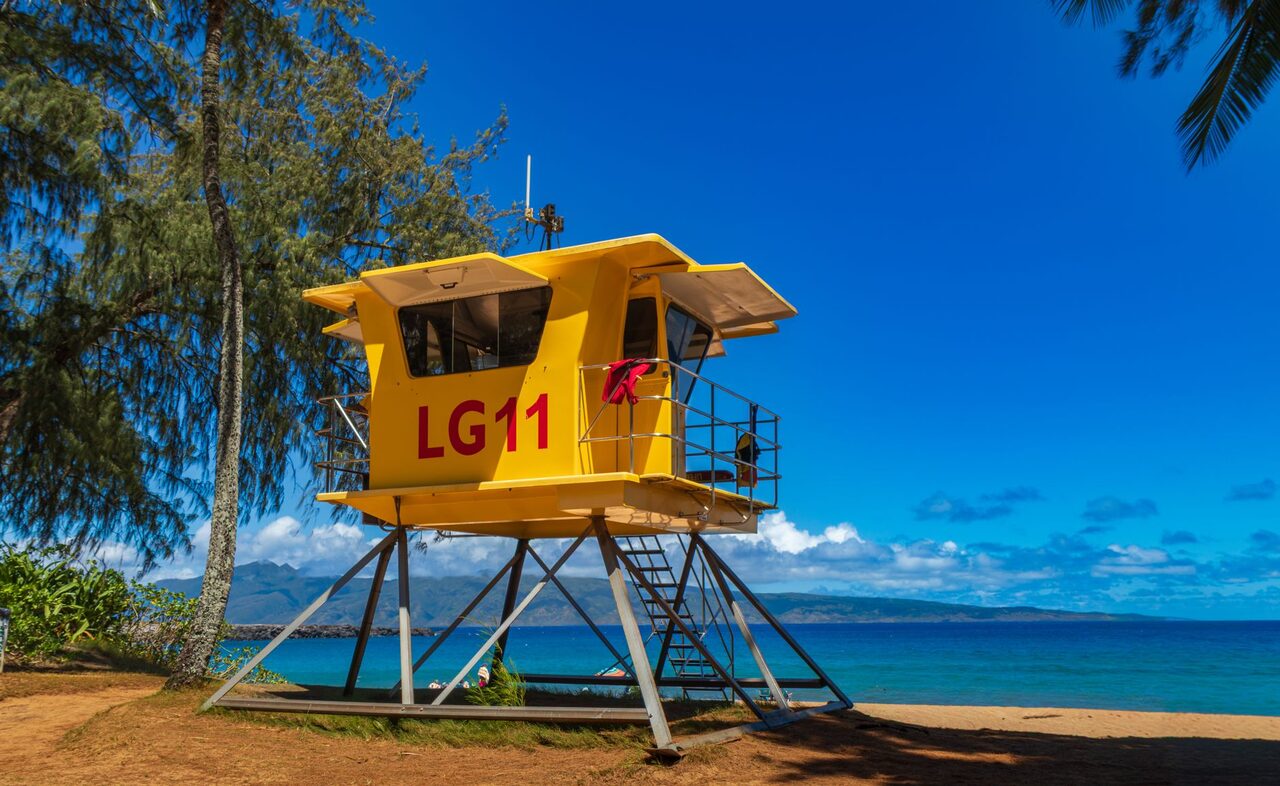
- Leave the water and ask a Balawista lifeguard for help if the beach has one.
- Do not rub the skin with sand or a towel. Rubbing fires off stinging cells still stuck to you.
- Rinse with seawater, not fresh or bottled water. Remove remaining tentacles with something blunt such as a card, tweezers, or fingers wrapped in cloth.
- Bluebottle: hot water, not vinegar. Soak for 20 minutes in water as hot as is comfortable (around 45°C, test it with an unstung hand) or stand under a hot hotel shower. Healthdirect notes that vinegar can make bluebottle stings hurt more.
- Vinegar is for box jellyfish. For a major box jellyfish sting, ANZCOR guidelines pour vinegar on after the tentacles are removed and get the person to hospital fast. The popular tip to "pack vinegar for the beach" applies to that type, not to bluebottles.
- No urine. There is no evidence it helps and it can make the pain worse.
What to do after stepping on a sea urchin
- Sit down and keep weight off the foot. Pressure drives the spines deeper.
- Pull out only large spines that stick out, in the direction they went in, with tweezers. Do not dig with a needle or pin; urchin spines are brittle, snap easily, and the wound can get infected.
- Soak in safely hot water (about 43-45°C) for 30-90 minutes to ease the pain, as recommended by DAN (Divers Alert Network) and the Merck Manual.
- Wash with soap and clean water, dry it, and watch it for a few days. Small black dots can be spine pigment that fades on its own, but let a doctor judge if you are unsure.
When should you see a clinic or hospital?
Go to an emergency department or call 112 if there is difficulty breathing, swelling of the face or lips, severe dizziness or fainting, spreading chest, back, or stomach pain, a large sting or one on the face, eyes, or genitals, or if the person stung is a small child or elderly. For urchin spines, get checked if a spine is near a joint or too deep to remove, if pain gets worse again after 2-3 days, or if you see spreading redness, pus, or fever. Bring your passport and insurance details, since private hospitals in Bali usually ask for a deposit or a guarantee from your insurer. Hospitals and key numbers are listed in our Bali emergency health guide.
What do Balawista lifeguards do?
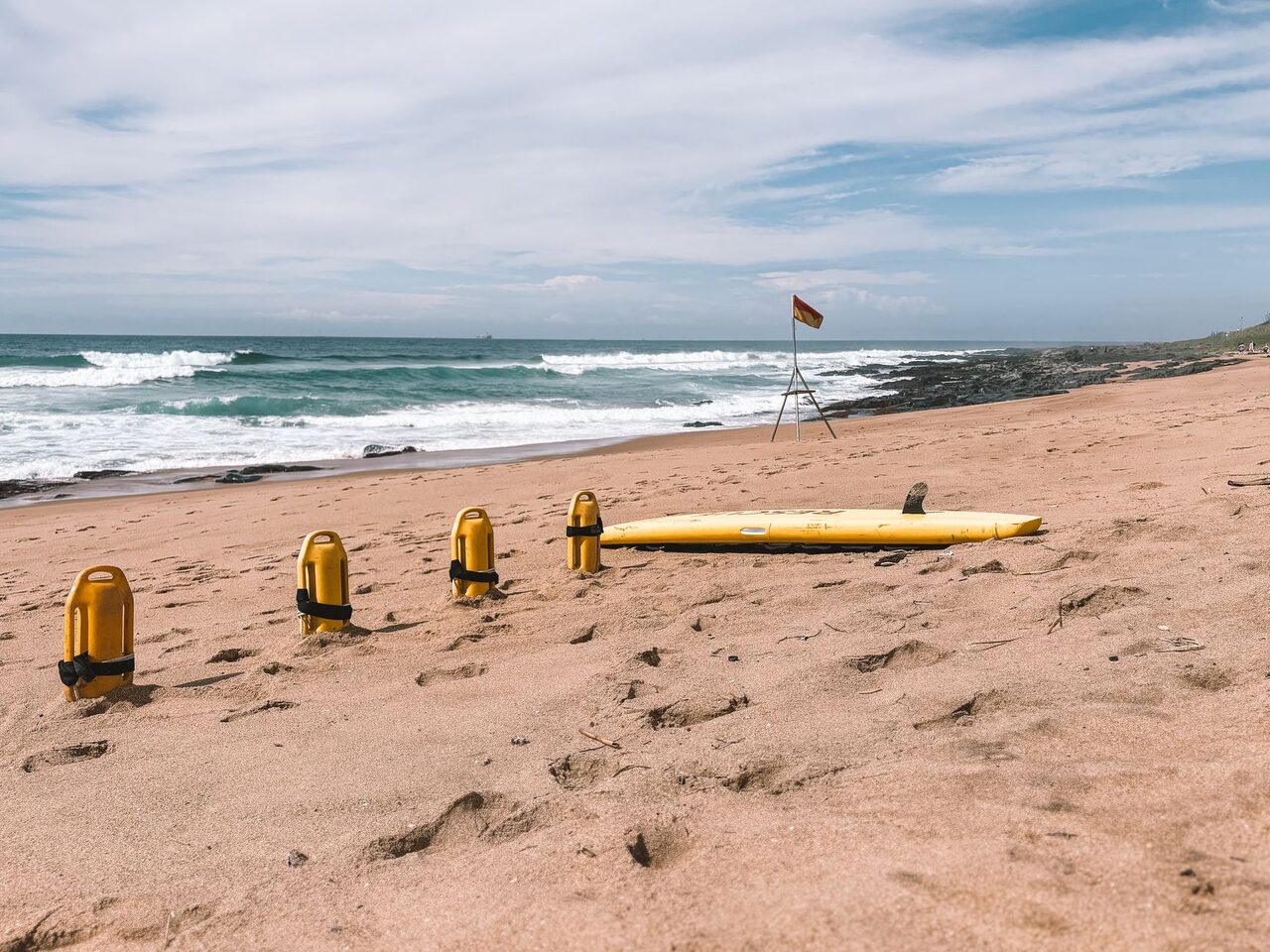
Balawista is Bali's official beach rescue service, run under the regency or city disaster agencies (BPBD), with towers and flags on busy beaches such as Kuta, Seminyak, Sanur, and Nusa Dua. They put up warnings when jellyfish arrive, give first aid, and can call an ambulance. What each flag colour means and which beaches are safer for swimming is covered in our Bali beach safety article.
One small thing that helps: if you are staying near Sanur between July and September, check that your hotel shower gives steady hot water. Twenty minutes under it will do more than a bottle of vinegar in your beach bag.



Comments 0
No comments yet. Be the first to comment!