Sad Kahyangan Jagat are six principal temples believed to uphold Bali’s balance and worshipped by all Balinese Hindus. For travellers, each offers a different landscape: the slopes of Mount Agung, a bat cave, ocean cliffs and misty forest. This 2026 guide covers locations, tickets, rules and routes.
What Is Sad Kahyangan Jagat?
“Sad” means six and “kahyangan” means sacred place. There is no single list. An appendix to the 2010 Parisada General Assembly decision notes at least nine lontar (palm-leaf manuscripts) with different line-ups, because after Bali split into nine kingdoms, each kingdom had its own Sad Kahyangan.
- Most common version (Lontar Kusuma Dewa): Besakih, Lempuyang Luhur, Goa Lawah, Uluwatu, Batukaru and Pusering Jagat. It was researched by an Institut Hindu Dharma team (1979) and ratified by Parisada in 1980, reflecting the era when Bali was still one kingdom.
- Other versions: Lontar Padma Bhuwana, for example, includes Pura Andakasa. Pura Batur and Pura Pucak Mangu are also often mentioned because they are Kahyangan Jagat temples under the Rwa Bhineda and Catur Loka Pala concepts.
The 6 Sad Kahyangan Temples: Location, Tickets & Key Notes
- Pura Agung Besakih (Rendang, Karangasem) — tickets Rp150,000 for foreigners and Rp80,000 for Indonesians, including sarong, local guide and a one-way electric shuttle. Visitors may only enter designated areas. Arrive 8–10am before the clouds; during the Karya Bhatara Turun Kabeh ceremony (Purnama Kedasa, around March–April) the temple is extremely crowded. Google Maps
- Pura Lempuyang Luhur (Abang, Karangasem) — the viral “Gates of Heaven” are at Pura Penataran Agung Lempuyang, while Lempuyang Luhur on the hilltop is reached via about 1,700 steps. Budget around Rp100,000–150,000 per foreign visitor for ticket and shuttle; the photo queue can take 2–4 hours, so arrive before 7am. Restrictions for Luhur: menstruation, cuntaka, breastfeeding, children who still have milk teeth, and bringing or eating pork. Google Maps
- Pura Goa Lawah (Pesinggahan, Dawan, Klungkung) — a temple at the mouth of a cave home to thousands of bats, right on the coastal road. Foreigner tickets around Rp25,000–30,000 including sarong; open roughly 8am–6pm. The cave is viewed from the temple courtyard. Google Maps
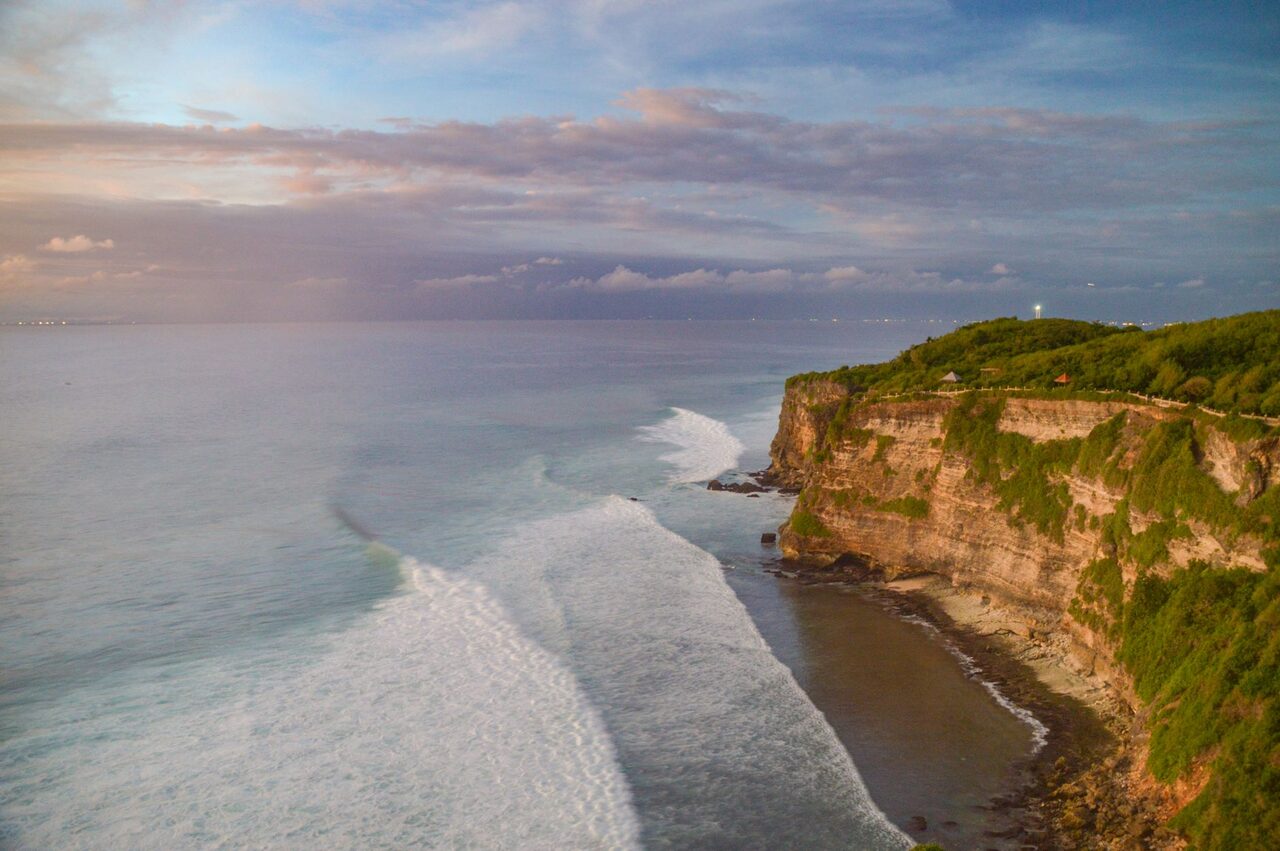
- Pura Luhur Uluwatu (Pecatu, Badung) — since 1 January 2026 tickets are Rp60,000 for foreign adults (children Rp40,000) and Rp40,000 for Indonesian adults (children Rp30,000); open 7am–7pm. The sunset Kecak dance is ticketed separately, around Rp150,000. Stow glasses, hats and phones because the monkeys here are notorious for snatching belongings. The inner temple is closed to tourists. Google Maps
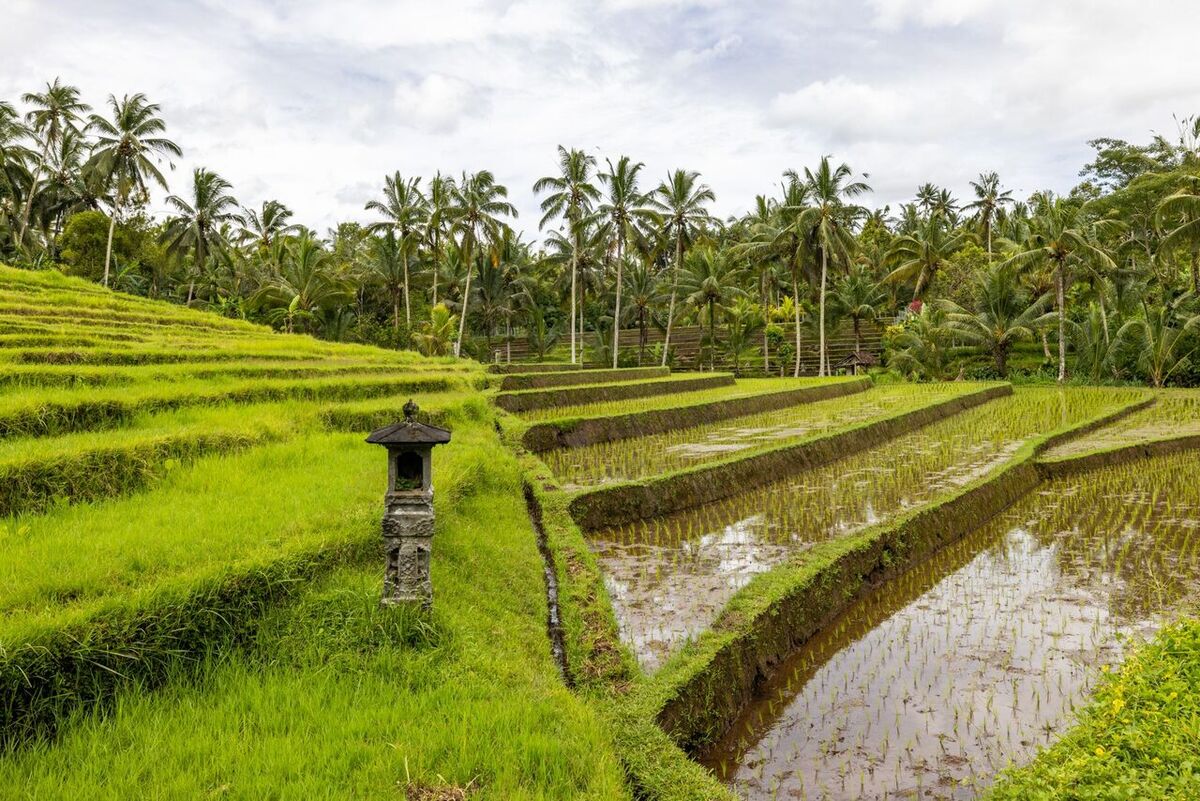
- Pura Luhur Batukaru (Wongaya Gede, Penebel, Tabanan) — a forest temple on the cool, often rainy slopes of Mount Batukaru. Expect a donation or sarong rental of around Rp20,000–40,000; visit in the morning and combine with the Jatiluwih rice terraces. Google Maps
- Pura Pusering Jagat (Pejeng, Tampaksiring, Gianyar) — the “navel of the world” of an ancient Balinese kingdom, about 20 minutes from Ubud. Usually a voluntary donation and a sarong are enough; open roughly 8am–5pm, with access possibly limited during ceremonies. Google Maps
Temples in other versions: Pura Luhur Andakasa (Antiga, Manggis, Karangasem; voluntary donation) Google Maps, Pura Ulun Danu Batur (Kintamani, tickets around Rp35,000–50,000) Google Maps, and Pura Pucak Mangu atop Mount Catur at 2,096 m (Pelaga, Petang, Badung), whose trail is considered sacred, so hikers must report to the customary village and go with a local guide Google Maps.
Etiquette, Dress & Menstruation/Cuntaka Rules
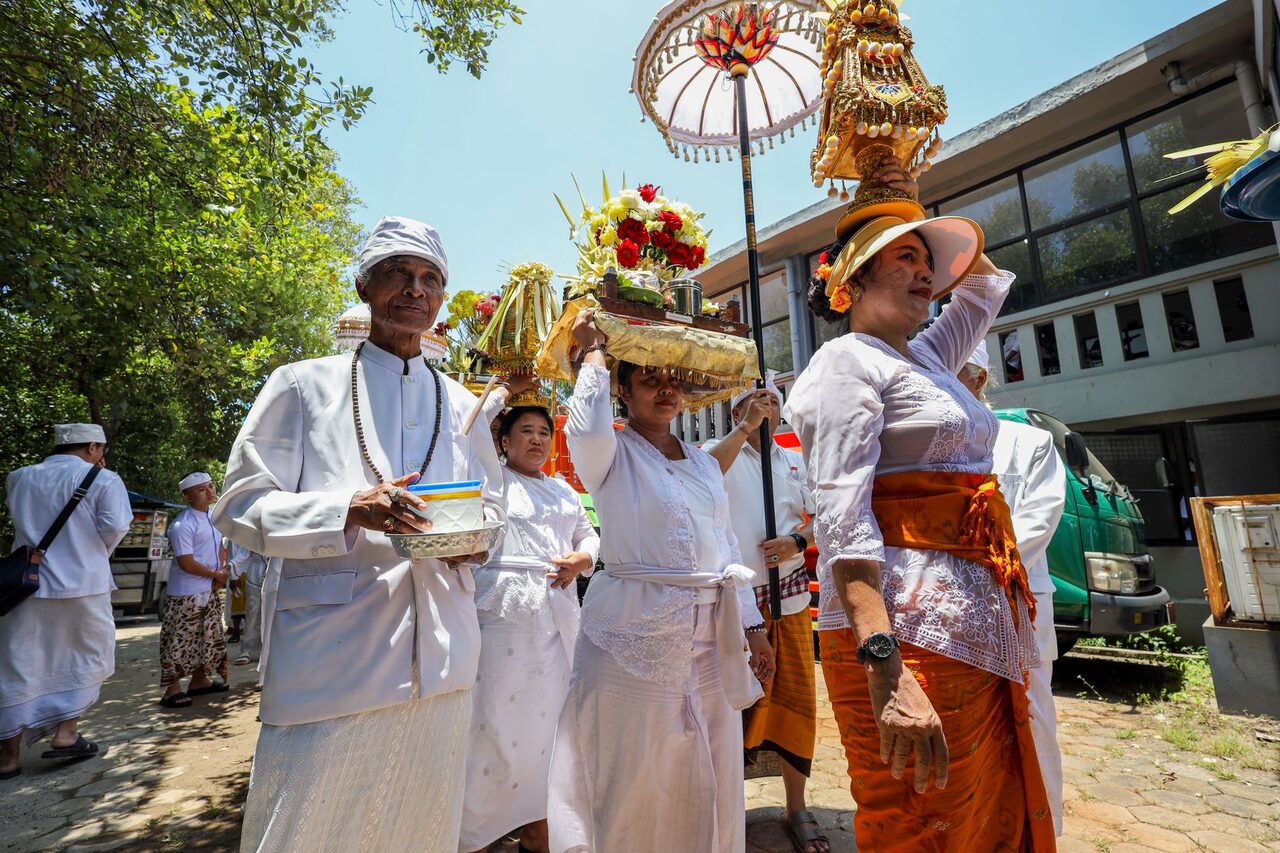
- Wear a sarong and sash with shoulders covered; bringing your own saves money.
- Bali Governor’s Circular No. 7 of 2025 bars foreign tourists from entering the main temple areas except to pray in Balinese traditional dress, and prohibits climbing sacred trees or structures.
- Menstruating women may not enter temple grounds. The same applies to people in cuntaka (a state of ritual impurity), for example after the death of a close relative.
- Do not walk in front of people praying or step on offerings.
Visiting Routes by Region & Where to Stay
- East Bali (1–2 days): Lempuyang at dawn, then Besakih (about 1.5 hours), then Goa Lawah (about 1 hour) before heading back south. Staying in Candidasa, Sidemen or Amed is more comfortable; Andakasa is near Candidasa.
- Central–West Bali (1 day): Pusering Jagat in the morning from Ubud, then Batukaru (about 1.5–2 hours) and Jatiluwih. Base: Ubud or a stay in Penebel.
- South Bali (half day): Uluwatu in the late afternoon for sunset and Kecak. Base: Uluwatu, Jimbaran or Nusa Dua.
- Extra: Pura Ulun Danu Batur is about 1 hour from Ubud.
Practical Info & Reservations
- No reservations needed: buy tickets at the official counter and carry small cash; some counters accept QRIS.
- Foreign tourists must still pay the Rp150,000 Foreign Tourist Levy via Love Bali, separate from temple tickets.
- Hiring a car with driver is the most practical option for the eastern and western routes.
- Check the ceremony calendar (odalan, full moon, Galungan) as tourist access may be restricted.
Save time on the road: book a hotel voucher in Candidasa, Sidemen, Ubud or Uluwatu through AccessiaPass, then visit each Sad Kahyangan temple in the morning while the air is cool and crowds are thin.

Comments 0
No comments yet. Be the first to comment!