Massage in Bali is not a holiday extra; it is part of daily life for the people who live here. The catch is that the price for the same duration can vary tenfold depending on whether you walk into a simple salon down an Ubud lane or a clifftop pavilion in Jimbaran. This guide explains the treatments, three price tiers with real venues, how to spot a safe spa, tipping etiquette, and how to cut the cost using hotel facilities.
The Treatments You Should Know
- Balinese massage — a mix of palm pressure, gentle stretching, and aromatic oil. Standard length is 60–90 minutes and it is available almost everywhere.
- Lulur — a spice scrub of turmeric, rice, and sandalwood to lift dead skin; it is nearly always sold as a package with a massage.
- Boreh — a warm spice paste of ginger, clove, and cinnamon that loosens muscles. Ideal after trekking or a full day of surfing.
- Flower bath — a soak with fresh petals. It is a pleasant finish to a package rather than a treatment in itself.
- Foot reflexology — pressure on points of the sole, 30–60 minutes, the cheapest option and the easiest to find in tourist areas.
- Creambath — an Indonesian hair treatment with a head, neck, and shoulder massage, around 45–60 minutes.
- Aromatherapy and hot stone — light to medium pressure; hot stones help a great deal with stiff muscles and air-conditioned rooms.
- Thai and deep tissue — lots of stretching or deep pressure. Speak up first if you have an injury, high blood pressure, or recent surgery.
Three Price Tiers and Real Venues
- Local warungs and small spas, about Rp100–200k per hour. Rooms are simple, sometimes without air conditioning, and therapist quality varies but is often surprising. Nur Salon on Jalan Hanoman in Ubud is a long-standing salon with a posted price list, so there is no haggling. Many similar places line Jalan Bisma and the Padangtegal area. map
- Mid-range boutique spas, about Rp250–500k. The best balance of price and comfort. Try Sang Spa in Ubud, Karsa Spa in Campuhan overlooking a lotus pond and rice fields, then Sundari Day Spa, Bodyworks, and Spring Spa in Seminyak, plus Theta Spa in Sanur. Jari Menari in Seminyak is known for four-hand work and specially trained male therapists. map · map
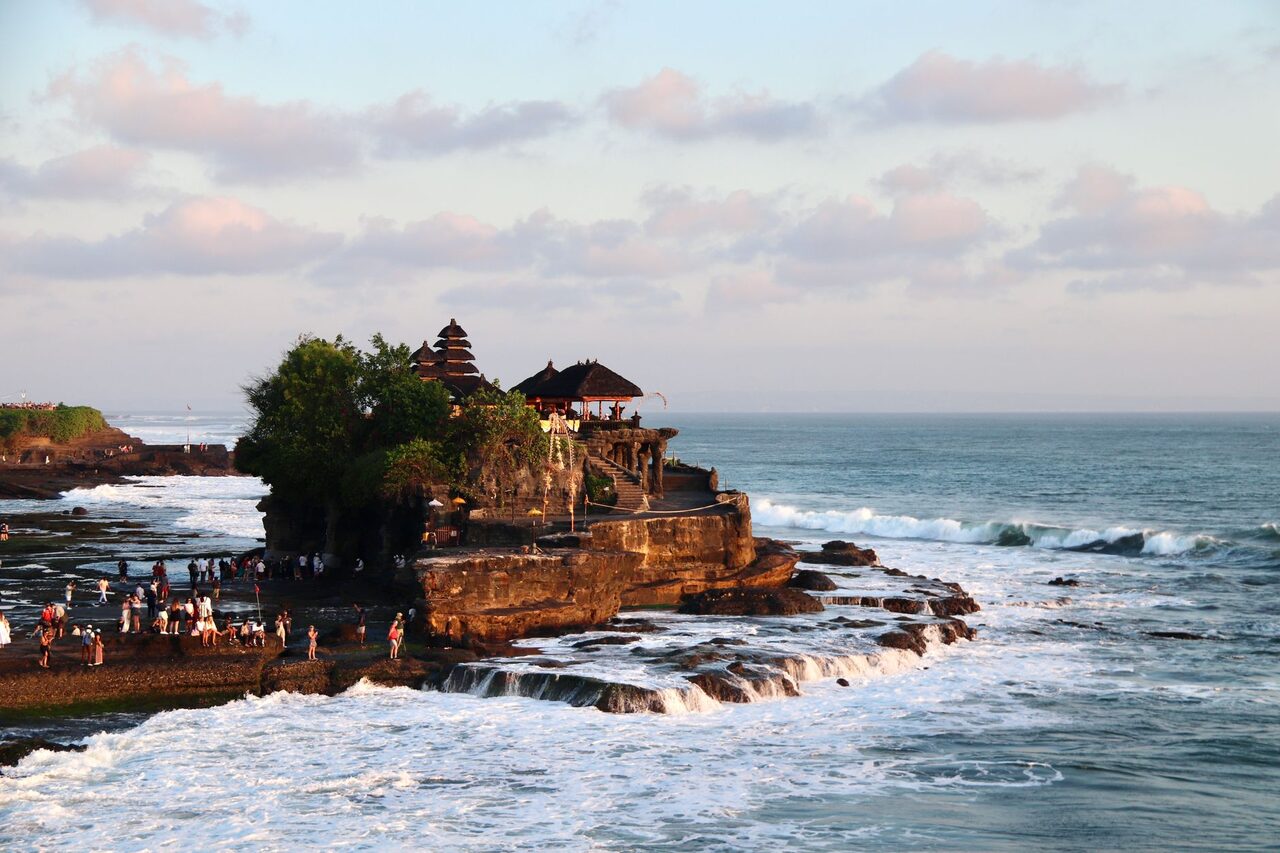
- Hotel and luxury spas, Rp700k and up. Prana Spa in Seminyak with its Moroccan interiors, AMO Spa in Canggu combining spa, baths, and cafe, Spa on the Rocks at AYANA Jimbaran, a villa perched on a boulder with long multi-hour packages, and Thalasso Bali at Grand Mirage Tanjung Benoa with its heated seawater jet pool. At this level facilities are included in the price, so arrive early and use them. map
How to Choose a Good Spa
- The therapist asks about complaints, areas to avoid, and pressure level before the session starts.
- Towels, sarongs, and bed covers are changed for every guest rather than simply refolded.
- The room is clean and smells fresh, there is a rinse area, and ginger or lemongrass tea is served afterwards.
- The price list is clearly written. Be wary of places where extra charges appear only when you pay.
- Read recent reviews, because a small spa's quality can shift when its best therapist moves on. If you are unsure about a place, search on Instagram for current photos and comments.
Etiquette, Tipping, and Preparation
- Tipping is not mandatory but it is customary: around Rp20–50k for a 60–90 minute session at local and mid-range spas, or 5–10% at luxury spas that already add a service charge.
- Talk about pressure. Simply say lighter or stronger. Balinese therapists are generally happy to be guided and will not take offence.
- Do not eat a heavy meal one to two hours before a massage, and drink water afterwards so you do not feel light-headed.
- Mention if you are pregnant, have high blood pressure, a back injury, or sunburn.
- Arrive 10 minutes early for the consultation and to change; disposable underwear is usually provided.
Best Times and Why You Should Book a Day Ahead
- Morning slots from 09:00 to 12:00 are the calmest, therapists are fresh, and quiet-hour promotions are common.
- 16:00 to 19:00 is the busiest window. Popular spas in Seminyak, Canggu, and Ubud can fill up two days in advance.
- Book a day ahead by phone or message and state how many people are coming so therapists can be scheduled at the same time. This matters for couples and groups.
- Avoid a massage straight after a long flight if you are dehydrated; drink, rest a little, then book.
- Schedule your massage for the second or third day of the trip, when your muscles actually need it.
How to Save Without Losing Quality
- Take a 2–3 hour package combining massage, lulur, and a flower bath. It is usually 30–40% cheaper than booking each item separately.
- Use morning promotions and the couple rates that many mid-range spas offer.
- Pay cash to avoid the roughly 3% card fee that small spas often add.
- Use hotel facilities. Many resorts give spa credit, a 20–30% discount for in-house guests, or one free session inside the room package.
That last point is the one most travellers miss: the most expensive treatment can end up being the cheapest when it is bundled with your stay. Check AccessiaPass hotel vouchers before you book a room, because many properties with an on-site spa offer lower rates through vouchers. The difference is often enough to cover a 90-minute session or a package for two. Secure the voucher first, then schedule the spa for the day your body needs it most.



Comments 0
No comments yet. Be the first to comment!