No. Article 52 of Bank Indonesia Regulation (PBI) No. 23/6/PBI/2021 on Payment Service Providers states that sellers of goods or services may not charge users a surcharge to cover the fees their payment provider charges them. The 2-3% the bank takes from each card transaction is the shop's cost, not yours. Status of the rule checked in October 2026.
Did the rule change in 2026?
The framework changed; the ban did not. Bank Indonesia issued PBI No. 10 of 2025 on Payment System Industry Regulation, signed on 24 December 2025 and in force from 31 March 2026. Its Article 184 keeps PBI 23/6/PBI/2021 in force where it does not conflict, and the elucidation of its Article 61 again lists surcharging as an example of harmful conduct that obliges banks to end or not renew a merchant agreement. From PBI 11/11/PBI/2009 to today, Bank Indonesia's position has been consistent.
The ban covers credit cards, debit cards and QRIS. Bank Indonesia and the Trade Ministry's consumer protection directorate restated it together in September 2023: payments through EDC card machines or QRIS may not carry an extra charge.
Before you pay: five things people get wrong
1. Assuming a sign at the till makes it legal. "3% surcharge for credit card" signs are common in Bali shops, cafes, scooter rentals, tour operators and villas, and travel forums describe it as normal. Common is not the same as legal. A notice at the counter does not override Bank Indonesia's rules.
2. Accepting it without asking. Politely ask whether you can pay by card without the extra charge, since Bank Indonesia prohibits surcharges. Some cashiers remove it on the spot. If they refuse, you are free to pay another way or walk away.
3. Not keeping proof. If the surcharge is still applied, ask for the card-machine slip and an itemised bill showing the extra fee, and photograph the sign. The slip shows which bank owns the machine (for example BCA, Mandiri, BNI or BRI). That bank is responsible for making sure its merchant complies.
4. Choosing your home currency on the card machine. This trap often costs more than the surcharge. Dynamic currency conversion (DCC) is the on-screen offer to charge you in dollars, euros or your card's currency. The rate is set by the DCC provider and usually includes a markup of several percent over the card network's rate. Always choose IDR or Rupiah. If the cashier has already picked a foreign currency, ask them to void it and run it again in rupiah. Visa and Mastercard rules require that the cardholder be given that choice.
5. Forgetting there are fee-free ways to pay. Rupiah cash involves no bank at all, and QRIS may not carry a surcharge either. Many foreign visitors can now pay QRIS through their home bank's app or a tourist payment app; see can foreign tourists pay with QRIS in Bali. For cash, rates and licensed money changers are covered in our Bali money exchange and payment guide.
Where to report if they still charge it
- The bank that owns the card machine (the acquirer), through the call centre on its official website. Give the merchant name, date and amount.
- Bank Indonesia: the BICARA service on 131 or [email protected], the channel the Trade Ministry lists for surcharge complaints.
- Your card issuer. For cards issued abroad, ask whether the extra fee can be disputed. Outcomes depend on each bank's policy, so do not count on getting the money back.
The penalties are administrative, not criminal: the bank must end the merchant agreement, can pull the card machine and can propose the merchant for a blacklist. A report will not automatically refund you, but it gives the bank grounds to act.
What about hotels and villas?
Same rule. Keep three things separate. A credit card deposit at check-in is a temporary authorisation, not a fee. The 10% tax and service charge in a room rate are legitimate parts of the price when disclosed. What is banned is an extra percentage added only because you chose to pay by card.
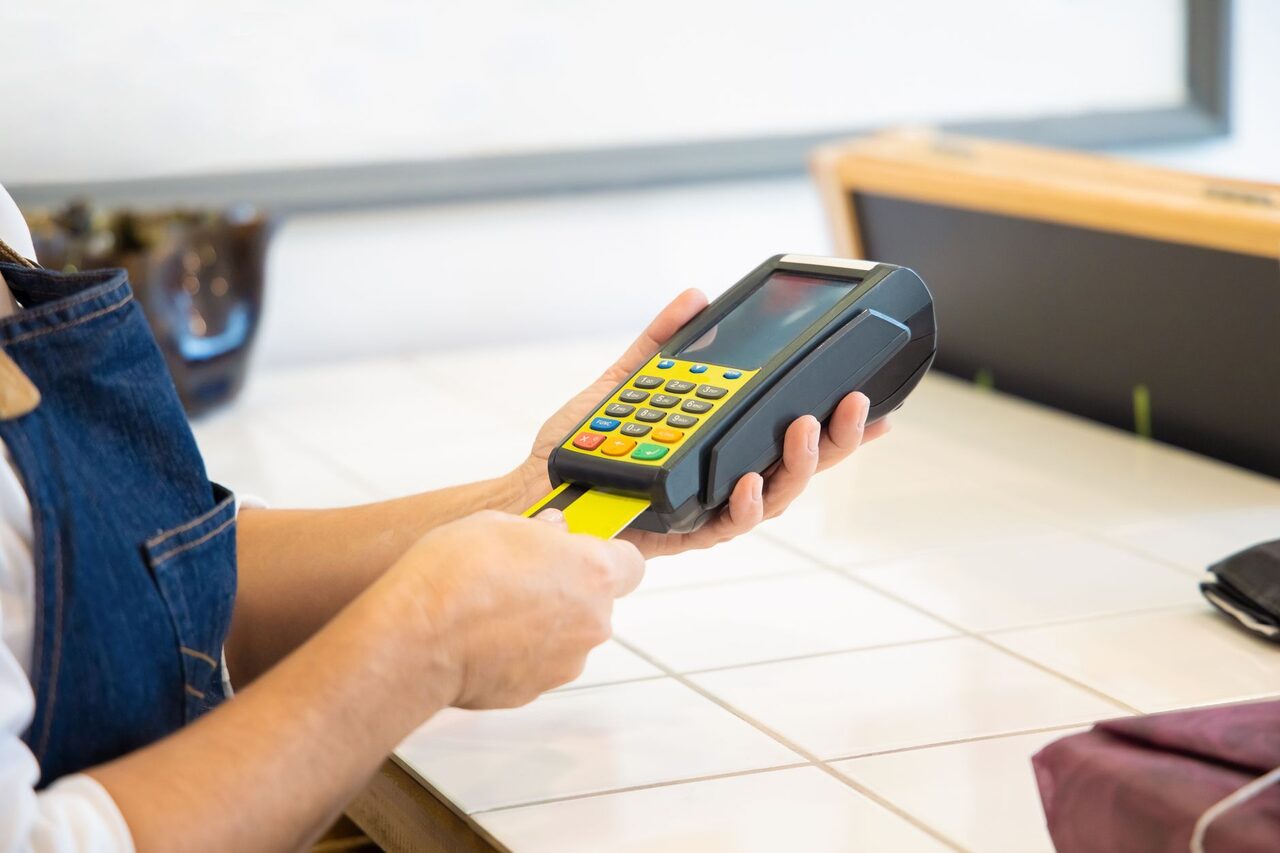
The habit that saves the most: look at the card machine screen before entering your PIN or tapping. Check that the amount is in rupiah, matches the bill and has no percentage added. Once a transaction is approved, undoing it is far more trouble.





Comments 0
No comments yet. Be the first to comment!